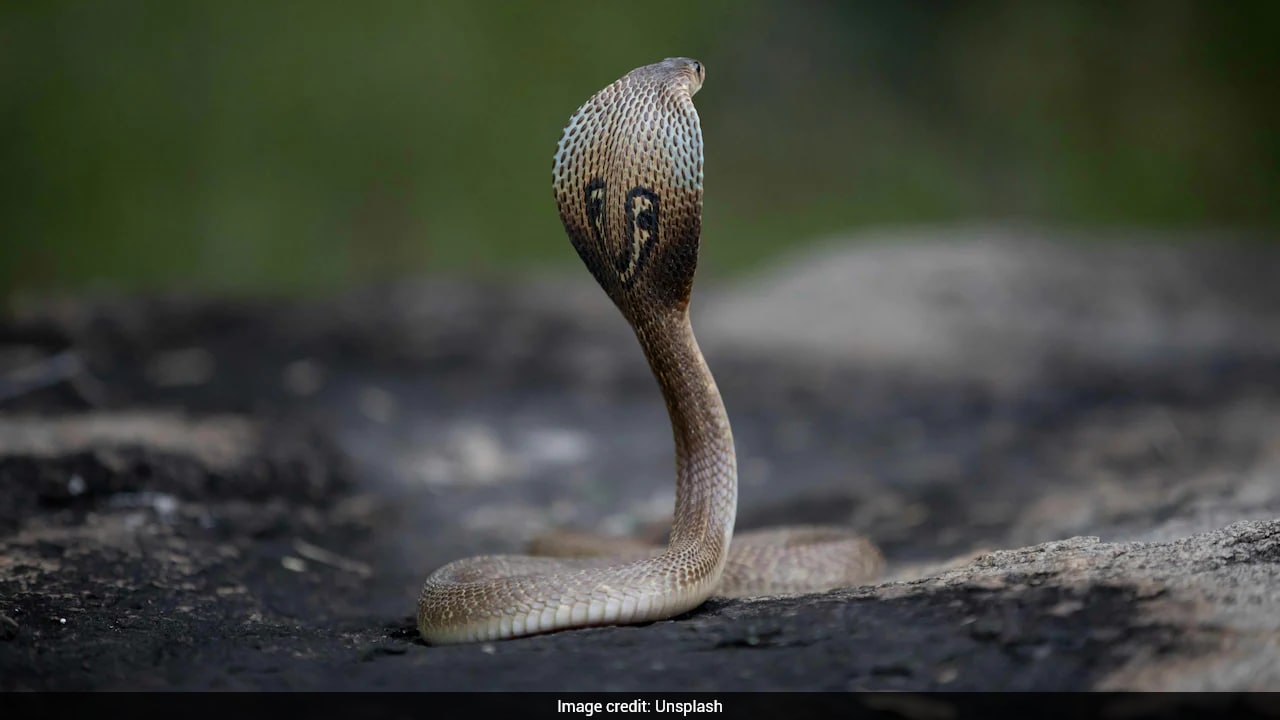
A desperate woman in rural China watches her husband collapse after a Chinese cobra sinks its fangs into his flesh. Panicked, isolated, and running out of time, she resorts to a tactic popularized by centuries of folklore and cinematic fiction. She presses her lips to the wound and attempts to suck the venom out. Within minutes, she is fighting for her breath alongside her husband, poisoned by the very toxin she tried to extract.
This is not an isolated tragedy. It is a recurring nightmare driven by a fundamental misunderstanding of toxicology and a systemic failure in rural healthcare. When a person attempts to suck venom from a snakebite, they do not save the victim. They merely create a second patient. Cobra venom contains highly potent, fast-acting proteins that find an immediate pathway into the bloodstream through the microscopic cuts, abrasions, or permeable mucosal membranes in the human mouth. Meanwhile, you can find related events here: The Walls That Finally Learned to Listen.
The survival of a snakebite victim hinges on cold, clinical precision, not romanticized notions of self-sacrifice.
The Anatomy of a Deadly Fallacy
The belief that venom can be physically extracted from a wound by mouth suction or commercial pump devices is one of the most resilient myths in first-aid history. It is also entirely wrong. To see the full picture, we recommend the excellent article by CDC.
When a venomous snake strikes, it does not deposit its toxic payload into a neat, static pool beneath the skin. It utilizes deeply penetrating, hypodermic fangs to inject venom under high pressure directly into subcutaneous tissue or muscle layers. From that exact millisecond, the venom begins to disperse. It hitches a ride on the lymphatic system and the bloodstream, moving away from the bite site at a rate that renders manual suction utterly useless.
Medical studies tracking radiolabeled venom have proven that suction removes less than two percent of the injected toxin, even when applied immediately.
Worse, the physical act of suction actively accelerates the damage. Creating a vacuum over a puncture wound inflicts severe localized tissue trauma. It increases localized bleeding, ruptures delicate capillaries, and concentrates the destructive enzymes at the bite site, heavily worsening necrosis. When human saliva enters the equation, it introduces a cocktail of bacteria into an open, compromised wound, virtually guaranteeing a secondary infection that can lead to amputation even if the patient survives the systemic poisoning.
For the savior, the risks are immediate. The thin lining of the mouth provides an incredibly efficient entry point for toxins. A tiny mouth ulcer, a bleeding gum from brushing too hard that morning, or a microscopic tear allows the venom to bypass the digestive tract entirely and enter the bloodstream directly.
The Chemistry of the Bite
To understand why a cobra bite behaves so aggressively, one must look at the specific biochemical warfare inside the reptile's glands. Cobras belong to the Elapidae family. Unlike vipers, whose venom primarily destroys tissue and causes massive internal bleeding, elapid venom attacks the nervous system.
The primary weapons in this chemical arsenal are post-synaptic neurotoxins. These specialized proteins target the nicotinic acetylcholine receptors at the neuromuscular junction.
Under normal circumstances, your brain sends an electrical signal down a nerve, releasing acetylcholine to bind with these receptors, which tells your muscles to move. Cobra neurotoxins block this connection completely. They bind to the receptors with a relentless affinity, effectively locking them down. The signal cannot get through.
The result is a rapid, descending paralysis. It typically begins in the face, causing drooping eyelids and difficulty swallowing, before moving down the body. When it reaches the intercostal muscles and the diaphragm, the mechanical process of breathing stops entirely. The victim remains fully conscious while slowly suffocating.
Because these neurotoxins are small, highly mobile molecules, they diffuse through tissue with terrifying speed. This rapid diffusion explains why the woman trying to save her husband succumbed so quickly. The venom did not need to be swallowed to do its damage; it simply utilized the vascular real estate of her oral cavity to begin shutting down her respiratory system.
The Global Antivenom Desert
The tragedy of mouth-suctioning attempts highlights a deeper, more insidious crisis. People resort to folklore when modern medicine feels entirely out of reach. In many parts of the developing world, including rural provinces in Asia and Sub-Saharan Africa, the real tragedy is not the snakebite itself, but the absolute void where medical infrastructure should be.
Antivenom is the only effective treatment for a severe envenomation. It is created through a complex, expensive process where horses or sheep are injected with sub-lethal doses of specific snake venoms, prompting their immune systems to produce antibodies. These antibodies are then harvested, purified, and bottled.
But the economics of antivenom production are fundamentally broken.
The people who need antivenom the most are almost exclusively impoverished subsistence farmers, laborers, and rural villagers. Because they cannot afford high prices, pharmaceutical companies have historically abandoned the market, citing low profit margins. This has created massive regional shortages.
Furthermore, antivenom is highly specific. An antivenom manufactured using the venom of an Indian cobra may be entirely ineffective against the bite of a Chinese cobra or a king cobra due to regional variations in venom composition. If a rural clinic manages to stock antivenom, it must be kept refrigerated. In regions plagued by unstable power grids and frequent blackouts, maintaining a cold chain is an ongoing logistical nightmare.
When a villager is bitten, they often face a multi-hour journey to a hospital that might not even have the correct serum in stock. In that vacuum of accessibility, primitive and dangerous first-aid myths thrive.
Recommending an Absolute Cessation
Surviving a venomous encounter requires replacing panic with strict, counter-intuitive restraint. The old guidelines found in vintage survival manuals must be completely discarded.
The modern clinical consensus for snakebite management focuses on a single goal: minimizing venom distribution while securing rapid transport to an advanced medical facility.
- Absolute Immobility: The victim must remain as still as humanly possible. Because elapid venom travels primarily through the lymphatic system, and lymphatic flow is driven entirely by muscle contraction, moving the affected limb acts as a pump, speeding the toxin toward the vital organs.
- No Tourniquets: Tying off a limb with a tight band traps destructive toxins in one place, frequently causing localized tissue death so severe that the limb must be amputated. For elapid bites, some protocols allow for a broad pressure immobilization bandage, similar to how one treats a sprained ankle, but it must never cut off arterial circulation.
- No Incision: Cutting the wound with a razor blade does not release venom. It only severs veins, arteries, and tendons, compounding the injury and introducing dangerous pathogens.
- Leave the Snake Alone: Attempting to kill or capture the offending reptile for identification purposes frequently results in a second bite. Medical professionals can often deduce the species based on clinical symptoms or rapid syndromic assessment.
The incident of a spouse poisoning herself while attempting a rescue serves as a stark reminder that intent does not alter biochemistry. In the theater of an envenomation, the human body is nothing more than a series of chemical receptors waiting to be compromised, and the only viable shield is a vial of antivenom administered by a qualified medical professional.