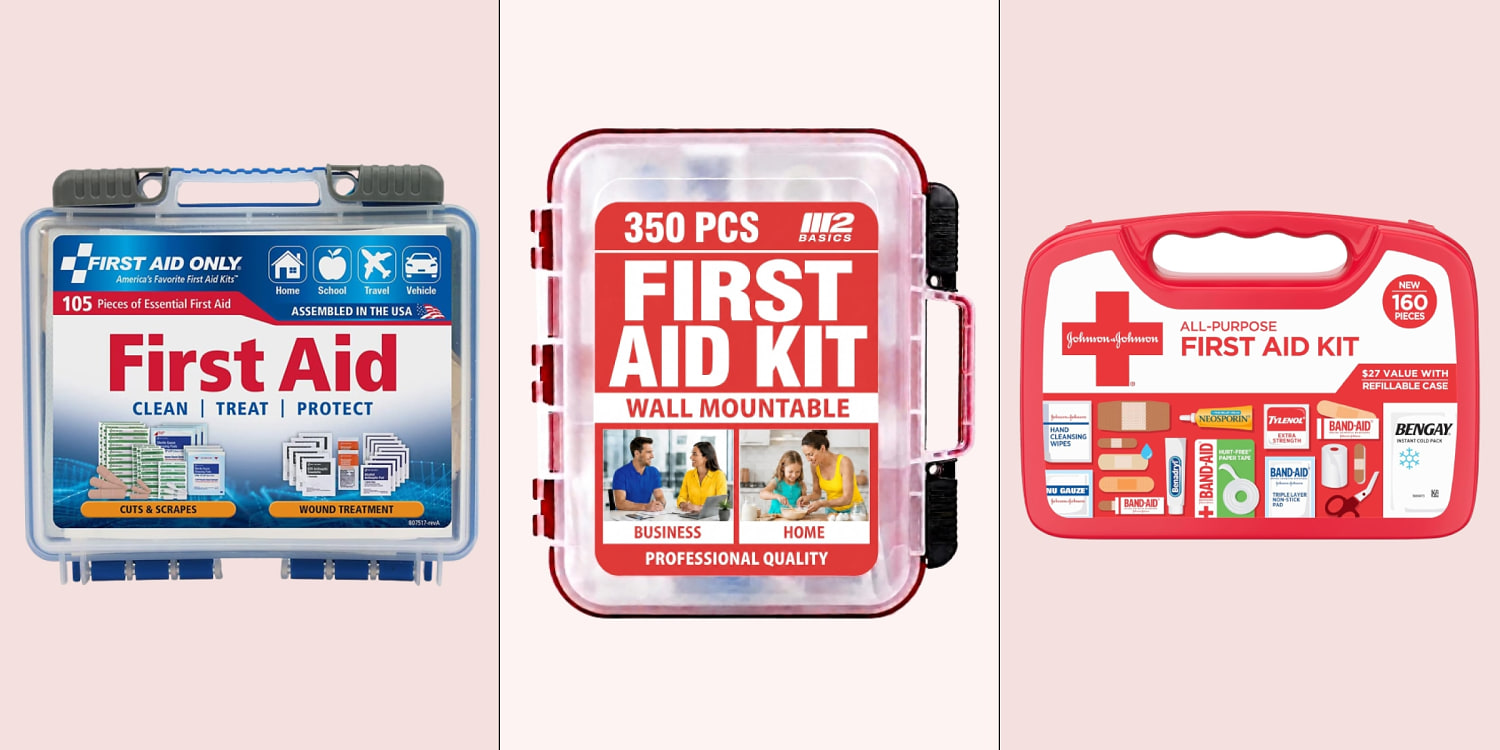
Most commercial first aid kits sold in shiny red bags are little more than psychological pacifiers. Open a typical off-the-shelf kit purchased from a big-box retailer, and you will find a predictable inventory. A dozen flimsy adhesive bandages that lose their stickiness if exposed to ambient humidity, three antiseptic wipes dried out long before they reach an emergency, a pair of scissors too dull to cut denim, and a roll of paper-thin gauze tape.
When a genuine non-hospital emergency strikes—whether it is a severe laceration in a remote kitchen, an arterial bleed during a home improvement project, or a deep puncture wound while clearing brush—these standard kits fail completely. They are designed to manage minor scrapes at a summer camp, not to sustain human life during the critical ten minutes before professional medical responders arrive.
Emergency preparedness requires moving past marketing gimmicks and evaluating real-world threat models.
The Anatomy Of Commercial Failure
The retail medical supply industry relies on compliance rather than utility. Consumers want to check a box on a safety audit or toss a compact pouch into the trunk of a sedan to quiet their anxiety. Manufacturers optimize for low unit costs and high profit margins, filling plastic compartments with items that look impressive on a checklist but possess zero tactical value under pressure.
Adhesive strip bandages dominate these kits by volume. They occupy space while offering no meaningful protection against significant trauma. In a severe traumatic event, a small plastic bandage is entirely useless. Meanwhile, critical items remain absent or critically under-specced.
Real emergency medicine is messy, high-stress, and physically demanding. Fine motor skills degrade rapidly under adrenaline surges. If a first aid kit requires delicate finger dexterity to unwrap three layers of sterile plastic just to find a piece of tape, the operator will struggle. Simplicity, accessibility, and high tensile strength define effective gear.
Shifting From Band-Aids To Trauma Management
A functional home or vehicle emergency kit must be organized around the priorities of trauma care. The primary objective during the initial minutes of a severe medical incident is simple: stop major bleeding, maintain an open airway, and prevent shock.
Catastrophic hemorrhage kills faster than almost any other injury. If a severed brachial or femoral artery is left untreated, exsanguination can occur in under three minutes. Standard gauze will not stop high-pressure arterial bleeding. A professional-grade windlass tourniquet, such as a Combat Application Tourniquet or a Ratchet-Rapid Tourniquet, belongs in every serious emergency kit. Training in its application is equally vital. Owning a tourniquet without knowing how to apply it high and tight on a limb is equivalent to owning a fire extinguisher while blindfolded.
Wound packing materials represent another essential upgrade. Standard gauze pads saturate instantly under heavy flow. Compressed, z-fold sterile gauze designed for tactical combat casualty care allows an operator to pack a deep wound cavity directly against the bleeding vessel, creating mechanical tamponade.
The Overlooked Threat Of Environmental Exposure
Trauma is only one category of non-hospital emergency. Environmental exposure frequently kills victims before physical trauma finishes the job. Hypothermia can set in rapidly even in moderate temperatures if an injured person lies immobilized on cold concrete or wet grass while waiting for emergency services.
Most retail kits include a crinkly, foil emergency space blanket that sounds like a potato chip bag and tears at the slightest tug. These sheets trap body heat through reflection, but they offer zero structural durability and fail in windy conditions. Upgrading to a heavy-duty thermal blanket or an insulated casualty pouch changes the survival calculus entirely.
Hygiene and personal protection also demand serious consideration. A box of nitrile gloves should form the baseline of any kit. Bloodborne pathogens are a genuine risk during chaotic interventions, and protecting the rescuer ensures the rescue actually finishes. Disposing of contaminated materials safely requires heavy-duty biohazard or zip-closure bags that rarely make it into standard consumer packages.
Building A Modular System
Instead of relying on a single, overburdened zippered pouch buried under sports equipment in a trunk, effective emergency preparedness utilizes a modular approach. Split medical supplies into distinct tiers based on accessibility and function.
Tier one consists of an individual trauma kit kept immediately accessible—clipped to a belt, mounted in a kitchen pantry, or strapped to the driver's seat headrest in a vehicle. This tier contains life-saving interventions: a tourniquet, trauma shears, compressed gauze, chest seals for penetrating torso injuries, and nitrile gloves.
Tier two functions as an expanded minor medical kit, housed in a larger, durable case. This container holds the mundane but necessary items: burn dressings, hydrogel pads, non-adherent sterile pads, medical adhesive tape, irrigation syringes, splinting materials, over-the-counter analgesics, and antihistamines. Separating minor first aid from trauma care prevents panic-induced clutter when seconds matter.
The Human Element And The Reality Of Skill Decay
Gear without training is just expensive dead weight. No amount of specialized tactical medical equipment compensates for a lack of foundational knowledge.
Taking an accredited course in wilderness first aid, bleeding control, or standard emergency response transforms a collection of supplies into an active safety system. Practicing under simulated stress—such as applying a tourniquet eyes closed or with cold, wet hands—reveals the flaws in kit layout and personal capability long before a crisis occurs.
An emergency kit is not a static purchase. It is a living system. Inspecting contents semi-annually ensures that topical ointments have not separated, sterile seals remain intact, and medications have not passed their expiration dates.
Prepare for the reality of the emergency, not the comfort of the checklist. The difference between survival and tragedy often depends entirely on the tools chosen before the crisis begins.