The sea spray off the coast of Colombo always carries the scent of salt and diesel. For a long time, if you stood near the Galle Face Green, you could watch the skyline changing, tooth by jagged tooth, as concrete towers climbed into the tropical haze. It felt like progress. Or rather, it felt like the expensive illusion of it. For years, one name echoed through those rising corridors of power, a name that carried the weight of an entire nation’s history, victory, and eventual reckoning.
Rajapaksa.
To understand how a president's son ends up in a navy cell, you have to understand what it felt like to walk through Colombo when the family was untouchable. Imagine a hypothetical citizen—let’s call him Sunanda. Sunanda drives a three-wheeler through the suffocating midday traffic, watching the tinted-window SUVs roar past with their sirens wailing, scattering ordinary people like dry leaves. For Sunanda, and millions like him, those vehicles weren't just transport. They were moving fortresses of absolute immunity.
Then, the fortress cracked.
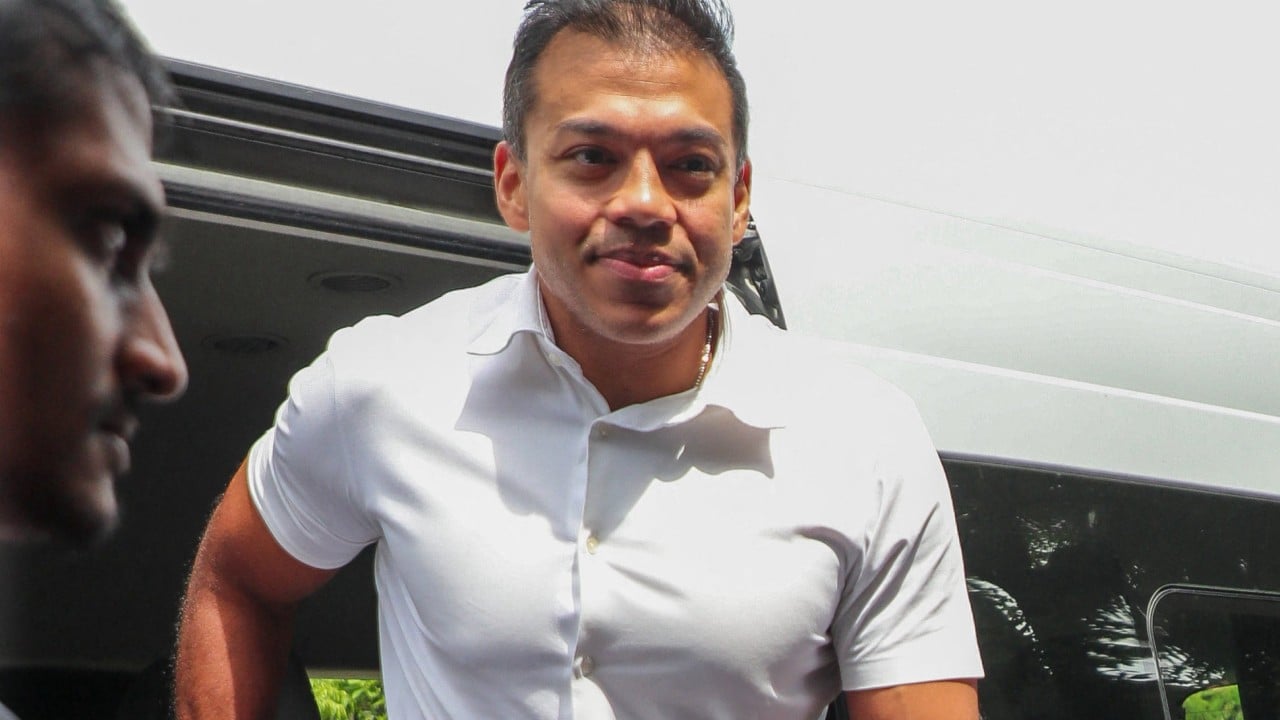
When Yoshitha Rajapaksa, a lieutenant in the navy and the second son of former President Mahinda Rajapaksa, was arrested by the Financial Crimes Investigation Division, it wasn’t just a legal headline. It was an earthquake. It was the moment a country realized that the gods of the old regime could bleed.
The Weight of the Name
Mahinda Rajapaksa was not just a politician; to a vast segment of the majority Sinhalese population, he was a king. He had ended the thirty-year civil war. He had crushed the Tamil Tigers. In the euphoria of that 2009 victory, his family was granted a blank check by a grateful, war-weary public.
His sons grew up in this intoxicating atmosphere of reverence. Yoshitha wasn't just a young naval officer; he was rugby royalty, a captain of the national team, a man whose presence in any room shifted the oxygen. When he walked into a nightclub or a sports complex, the world bent to accommodate him. The line between state resources and personal playthings grew invisible.
Consider the reality of how power operates when there are no guardrails. The allegations that eventually brought Yoshitha down did not involve a dramatic, cinematic heist. Instead, they centered on a television station called the Carlton Sports Network.
On paper, it was a sports channel. In reality, investigators alleged it was a conduit for millions of dollars of unexplained wealth, a corporate entity fueled by public funds and political clout. The state argued that the channel had been handed lucrative broadcasting rights with zero transparency, effectively starving the state-owned broadcaster of revenue.
This is where the abstract concept of corruption becomes tangible. When a ruling family allegedly diverts public funds to build a private media empire, it isn’t a victimless crime. The money missing from the national treasury is the money that should have fixed the rural hospitals in the north, upgraded the crumbling schoolhouses in the south, and stabilized the soaring cost of rice. Sunanda, sitting in his three-wheeler, pays for that television station every time he buys fuel.
The Midnight Knock
The shift came slowly, then all at once. The January 2015 election was a stunner. Mahinda Rajapaksa, expecting an easy victory, was voted out of office by a coalition of citizens tired of the nepotism, the fear, and the arrogance. The new government rode to power on a single, powerful promise: Maithri—clean governance and accountability.
For a year, the public waited. Cynicism is the default setting for any citizen exposed to politics, and Sri Lankans are deeply cynical. People whispered that it was all a show, that the elites would protect their own, that a president's son would never face a real judge.
Then came the questioning. Hours turned into days inside the offices of the newly formed Financial Crimes Investigation Division.
Picture the scene inside that interrogation room. The air conditioning hums at a freezing temperature to keep the humidity at bay. On one side of the table sit detectives with stacks of bank statements, corporate registries, and customs declarations. On the other side sits a young man who has never had to explain himself to anyone in his entire life. The transition from supreme authority to criminal suspect is a psychological cliff.
When the magistrate finally ordered Yoshitha to be remanded in custody, the spell was broken.
The image of the former president’s son being led away to a naval base prison in Welisara was a visual shock to the system. His father, Mahinda, stood outside the court, his face a mask of fury and grief. He didn't speak of financial regulations or corporate transparency. He spoke of revenge. He called it a political witch hunt, an act of cowardice by a weak government terrified of his lingering shadow.
But the real problem lay elsewhere. It lay in the ledger books.
The Mirage of the Witch Hunt
It is easy to claim political persecution. In the tribal world of South Asian politics, every arrest is framed as a vendetta. The Rajapaksa loyalists quickly filled the streets, burning effigies, chanting slogans, portraying Yoshitha as a sacrificial lamb targeted to break his father’s spirit.
To the outside observer, it might have looked like a simple partisan feud. But if you looked closer at the evidence being presented, the narrative of pure victimization began to fray. Investigators weren't relying on anonymous tips; they were following a paper trail that spanned borders. Millions of rupees had moved through accounts that defied logical explanation for a young navy lieutenant’s salary.
Think about how an ordinary civil servant lives in Colombo. They count their rupees to pay for tuition, electricity, and vegetables. They know exactly how far a government salary stretches. The revelation of vast corporate holdings under the control of twenty-something presidential sons wasn't just a legal issue; it was an insult to the daily struggle of the populace.
The defense argued that Yoshitha was merely a promoter, a sports enthusiast helping to develop the country's athletic media profile. They claimed he had no executive control, no ownership shares that could link him directly to criminal activity. It was a classic corporate shell game. You put the names of trusted associates on the official documents, while the real power sits safely in the shadows, enjoying the profits.
The tragedy of Sri Lanka’s governance has always been this culture of impunity. When leaders believe they own the country, they stop keeping clean books. They become sloppy because they believe tomorrow will look exactly like yesterday.
The Echoes in the Present
The arrest of Yoshitha Rajapaksa did not end corruption in Sri Lanka. It didn't fix the economy overnight, nor did it permanently banish the family from public life. Power in this part of the world is cyclical, fluid, and remarkably resilient.
What it did do was establish a precedent. It showed that the wall of absolute protection could be breached if enough citizens demanded it. It proved that the documents matter, that the law, however slow and compromised, can sometimes find its teeth.
As night falls over Colombo, the lights of the container port twinkle across the water. The city is quiet, but it is a tense quiet. The story of the president's son is a reminder that the true cost of corruption is never just financial. It is emotional. It breaks the social contract between the ruler and the ruled. When that contract breaks, it takes decades to rebuild the trust.
The young man in the cell at Welisara, stripped of his security detail and his custom vehicles, had to confront a simple truth. The state is a heavy machine. When you control it, it can crush your enemies. But when the gears turn against you, it doesn't care who your father is.