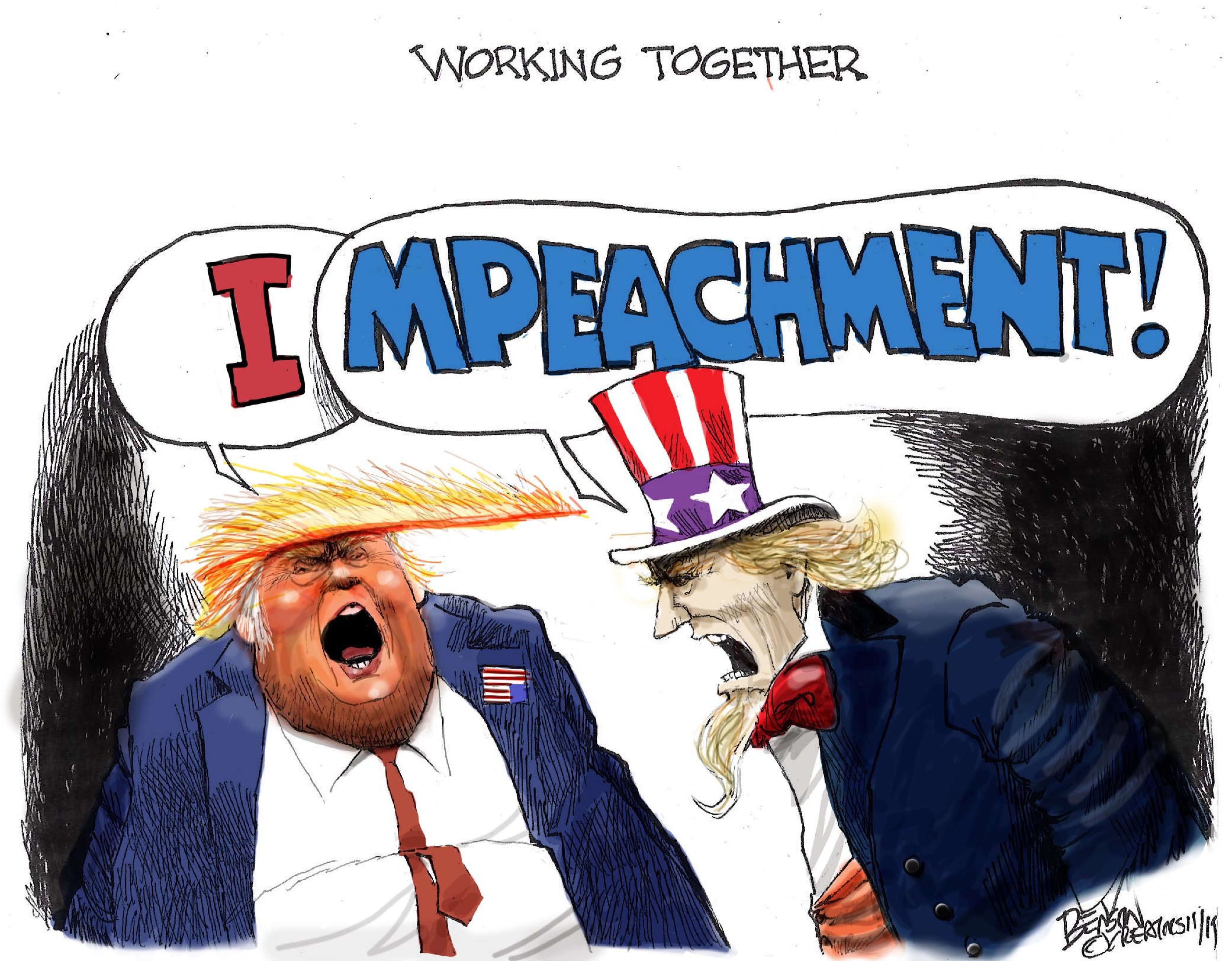
Every time a government hands two foreign attaches a one-way ticket out of the country, the commentariat treats it as a geopolitical earthquake. Headlines scream about escalating tensions, red lines drawn in blood, and decisive leadership. It is a comforting illusion. Expelling diplomats is rarely a strategic blow to a hostile state. It is a pressure valve designed for domestic consumption, a theatrical performance staged by politicians who need to look tough without risking an actual confrontation.
Look past the press briefings. Real statecraft happens quietly, behind closed doors, often while public expulsions dominate the evening news. When capitals swap diplomatic notes and clear out embassies, they are rarely disrupting high-level intelligence networks or crippling statecraft. They are performing rituals.
The Mechanics of Diplomatic Theater
Governments love expulsions because they are cheap, highly visible, and largely symbolic. When an incident occurs—whether a foiled operation, a policy clash, or a public provocation—leaders face immediate demands to do something. Starting a trade war carries economic costs. Military escalation risks catastrophe. But declaring a couple of mid-level officials persona non grata? That costs nothing. It takes forty-eight hours to pack a bag and catch a commercial flight.
Foreign intelligence services know this game better than anyone. Embassies have long served as open secrets for espionage activities. Host nations tolerate a baseline level of intelligence gathering because maintaining formal diplomatic channels provides predictable communication lines, even with adversaries. When a government decides to purge a pair of officials, the targeted state simply replaces them six months later through a third-party intermediary or shifts the operation to a neighboring capital. Nothing fundamental changes. The network adapts. The shadow war continues uninterrupted.
The Cost of Pretending
The danger of this diplomatic pantomime is not that it achieves nothing. The danger is that it actively misleads the public into believing a crisis has been managed.
When politicians treat diplomatic expulsions as a serious deterrent, they signal weakness dressed up as strength. True deterrence requires imposing costs that actually hurt the adversary's strategic calculus—financial sanctions that target regime-aligned wealth, systemic cybersecurity crackdowns, or coordinated multinational pressure that chokes off illicit revenue streams. Handing out airport departures to administrative staff is the geopolitical equivalent of giving a sternly worded warning to a burglar while leaving the front door wide open.
Real deterrence is boring. It involves compliance audits, asset freezes, and tedious legal frameworks. It does not make for good television.
Breaking the Cycle
If governments actually wanted to alter the behavior of hostile actors, they would stop playing the optics game. They would keep channels open when it hurts, close financial loopholes that matter, and stop pretending that kicking out a cultural attaché changes the military posture of a foreign power.
Next time you read about a sudden expulsion and the solemn vows of a government standing firm, remember what is actually happening. The cameras are rolling, the politicians are playing their parts, and the underlying reality hasn't budged an inch.