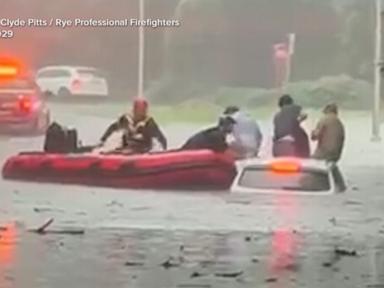
Another storm hits the interstate. Another headline screams about millions in the crosshairs. Cameras roll on flooded off-ramps. Pundits talk about unprecedented weather events.
It is theater.
Every time a heavy band of precipitation rolls across the East Coast, the media machine spins up an apocalyptic narrative. They want you terrified. They want you glued to your screen watching yellow radar blobs flash like warning lights on a nuclear reactor. They want clicks, views, and ad revenue generated by raw, unfiltered panic.
Stop buying it.
The real crisis is not the water falling from the sky. The real crisis is our collective addiction to catastrophe porn and our refusal to hold civil planners accountable for decades of lazy, cheap infrastructure development. When a standard meteorological occurrence shuts down a major corridor, the failure is not nature. The failure is human.
Look at the reporting. Every downpour is framed as a historic anomaly. Every puddle on the shoulder of the highway becomes a disaster zone. This is intellectual dishonesty disguised as public service. Meteorology is a science of probabilities and fluid dynamics, yet cable networks treat every low-pressure system like an impending asteroid strike.
Let us break down what actually happens when heavy rain hits a massive concrete artery like the coastal corridor.
Water falls. Millions of gallons hit impervious surfaces. Asphalt does not absorb moisture. Concrete does not drink. For over a century, urban planners chose the path of least resistance. They paved over wetlands, filled in natural drainage basins, and piped runoff directly into overloaded local waterways. Then, when a heavy storm dumps two inches of rain in an hour, everyone acts shocked that water pools where concrete replaced nature.
This is not climate breakdown or a freak act of God. It is basic engineering math. If you pave every square mile from Boston to Washington without expanding absorption capacity, water has nowhere to go. It pools. It backs up. It floods.
Yet the mainstream narrative completely sidesteps municipal negligence. Instead of asking why local tax dollars went to vanity projects instead of stormwater retention basins, the evening news shows you a reporter standing knee-deep in a purposely chosen puddle. They point dramatically at the horizon. They warn you to stay off the roads.
They treat adults like children who need to be managed through a regular rainstorm.
Consider the economic fallout of this hysterical warning system. Billions of dollars in productivity vanish because local governments panic at the first sign of a yellow warning box. Offices close. Schools shut down. Delivery networks grind to a halt. All based on models that often overestimate precipitation totals by fifty percent.
When you cry wolf every time a cloud looks heavy, people stop listening when a genuine emergency occurs. That is the true danger of modern weather sensationalism. It creates fatigue. It breeds cynicism. When a real, life-threatening event happens, the public has been desensitized by years of exaggerated forecasts designed to juice morning broadcast ratings.
Let us examine the infrastructure reality.
Civil engineering is not magic. It is geometry, hydraulics, and materials science. A drainage pipe installed in nineteen fifty cannot handle the runoff volume of a modern metropolitan area packed with high-density asphalt and massive parking lots. Municipalities know this. State departments of transportation know this.
Fixing it requires money, political will, and boring, unglamorous underground construction. You cannot cut a ribbon on a subterranean storm drain. You cannot put a politician's face on a retention pond. So instead of funding structural upgrades, local leaders invest in emergency response theater. They buy flashy high-water rescue trucks. They stage press conferences in yellow raincoats. They treat the symptoms while ignoring the disease.
When you look at the interstate corridor, you are looking at a monument to shortsighted civil planning. The highway was routed through natural floodplains because it was cheaper to build on flat, low-lying terrain. Centuries ago, those areas were marshes and tidal flats that absorbed seasonal surges effortlessly. We drained them, paved them, put six lanes of traffic over them, and now we express shock and dismay when water attempts to reclaim its natural territory.
Nature is not angry. Nature is simply following physics.
Gravity pulls water downhill. Impervious surfaces accelerate runoff speed. Undersized culverts choke flow rates. When the volume exceeds capacity, water rises. This equation has not changed since the dawn of the industrial age. No amount of breathless television commentary will alter fluid dynamics.
So how do we break this cycle of panic and incompetence?
First, stop consuming disaster-porn weather coverage. If it starts with dramatic music and a reporter standing in a gale-force wind holding an umbrella that is deliberately turned inside out, turn it off. You do not need a live broadcast to tell you that water makes roads slick. Drive according to conditions, or stay home if you lack confidence behind the wheel. You do not need a national news anchor coddling you through a puddle.
Second, demand systemic infrastructural overhauls from local representatives. Stop accepting band-aid solutions. When your local municipality proposes another tax break for a massive commercial parking lot without a mandatory retention mandate, speak up. Force developers to build subterranean cisterns and permeable pavement systems. Make them retain stormwater on-site rather than dumping it onto public roads.
Third, recalibrate how we talk about weather events. We must stop labeling every heavy storm as unprecedented. Historical data exists. Weather patterns fluctuate. Cyclical heavy precipitation events have occurred since the dawn of recorded history. Treating routine weather as a historic catastrophe serves only one purpose: keeping eyes glued to screens.
The next time a major storm warning flashes across your device, take a breath. Look at the actual radar data instead of the talking head. Understand that rain is a normal, necessary part of an ecological cycle, even if our concrete jungles were poorly designed to handle it.
The media wants you reactive. They want your adrenaline spiked. They want you sharing clips of flooded underpasses to feed the algorithm.
Starve the machine.
Build resilience locally. Demand better engineering from your local government. And stop letting sensationalized weather reports dictate your sanity. The storm will pass. The sun will come out. The real question is whether we will finally fix our drainage systems or just wait for the next excuse to panic on live television.