The Washington consensus operates on a predictable clock. Every time geopolitical friction spikes in the Middle East, pundits rush to map the crisis onto the nearest domestic political milestone. They tell you that foreign policy is downstream of midterm elections, that foreign capitals adjust their strategic deterrence tables to align with American congressional calendars, and that a ceasefire magically materializes the day after ballots are counted.
It is a comforting delusion. It treats foreign actors like provincial lobbyists waiting for a domestic campaign cycle to clear.
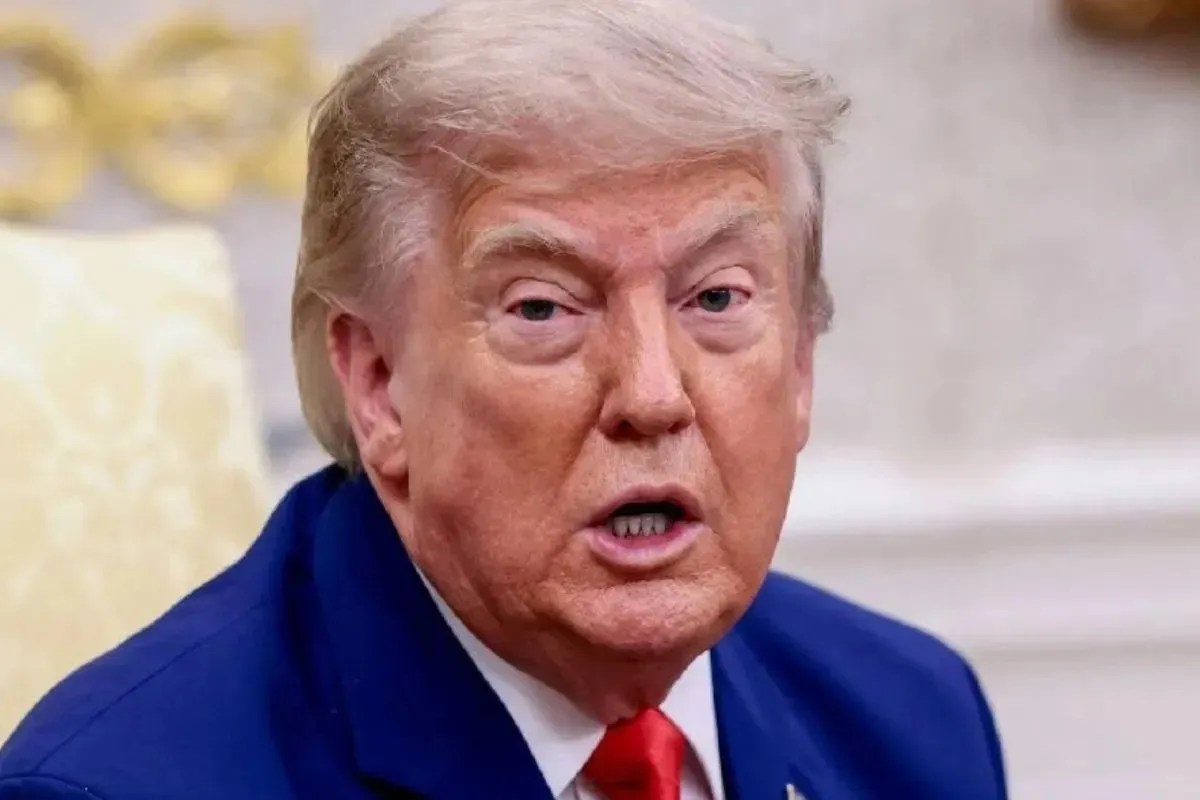
Donald Trump recently floated the claim that any potential conflict with Iran would conclude neatly right after the U.S. midterm elections. The lazy narrative machine immediately went to work, parsing what this means for domestic approval ratings, congressional majorities, and party strategy. Everyone is asking the wrong question. They want to know how election dates dictate military outcomes. The real question is why anyone believes Tehran cares about an American mid-term math problem.
Geopolitics does not pause for domestic voting.
The Fallacy of the Electoral Clock
I have watched strategists spend decades trying to force messy foreign policy realities into neat electoral boxes. It is a fool's errand. When decision-makers in Tehran calculate risk, they look at structural capabilities, domestic regime survival, and regional proxy networks. They do not look at whether Republicans or Democrats hold a slim majority in the House of Representatives.
The idea that a war or a major confrontation starts and stops based on an arbitrary Tuesday in November assumes that American domestic politics dictate foreign adversary behavior. History proves the exact opposite. Adversaries regularly exploit the chaotic transition periods of American elections precisely because Washington is distracted, polarized, and structurally incapable of long-term strategic focus.
If a conflict with Iran erupts, it will be governed by missile ranges, strait blockages, and nuclear enrichment thresholds. None of those variables care about voter turnout in Ohio.
The Structural Realities of Asymmetric Conflict
Let us define what an actual conflict with Iran entails, stripped of campaign rhetoric. This is not a conventional land invasion scenario. Nobody is marching an army to Tehran.
Instead, any escalation involves a complex matrix of asymmetric pressure:
- Proxy activations across multiple sovereign borders simultaneously.
- Asymmetric maritime warfare targeting critical global energy choke points.
- Cyber warfare aimed at critical infrastructure on both sides.
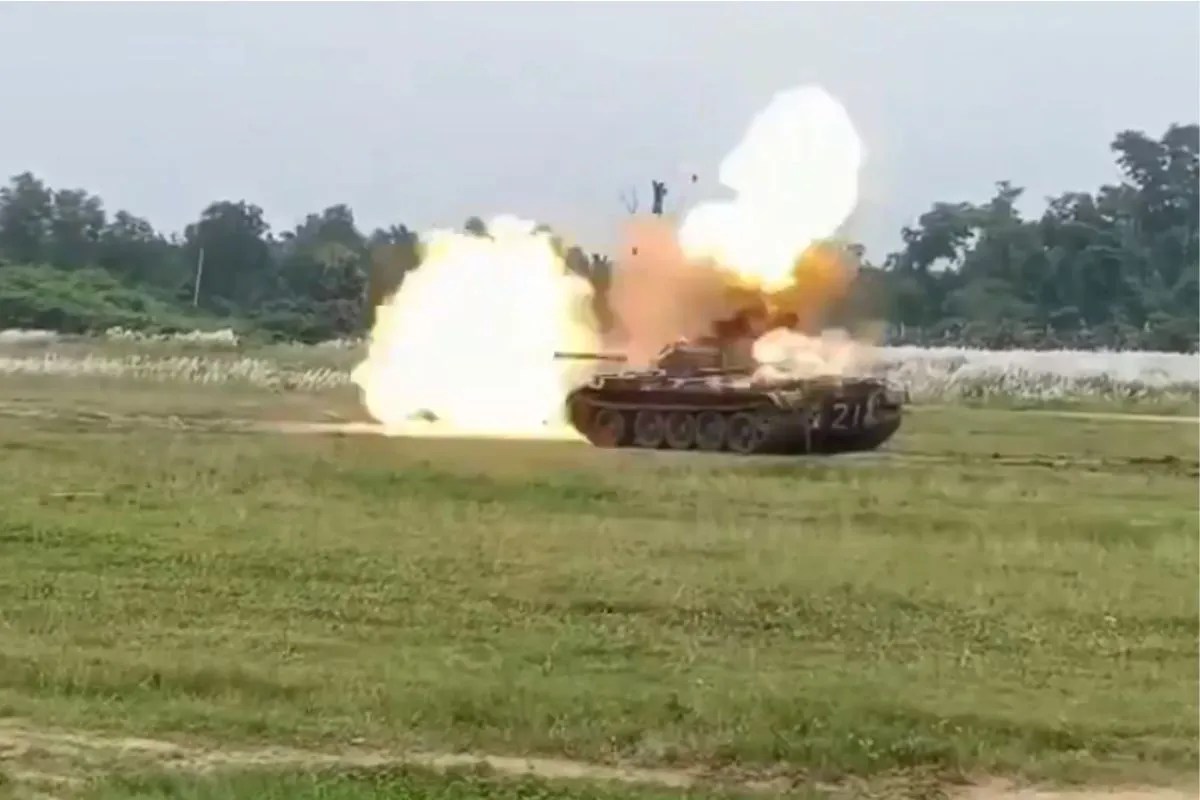
- Protracted drone and ballistic missile exchanges that strain air defense interceptor stockpiles.
These dynamics possess their own internal momentum. Once kinetic action begins, escalation dominance becomes a game of chicken played with high-explosive stakes. You do not simply tap the brakes because a congressional election concluded. Stopping a modern multi-domain conflict requires exhaustive diplomatic architecture, mutual exhaustion, or a decisive shift in hard power balances. None of those factors can be scheduled to match a political calendar.
Why Politicians Love Simple Timelines
Politicians promise neat endpoints because voters demand them. Endless entanglements poll poorly. If you tell an electorate that a conflict could drag on for a decade through multiple presidential terms, you lose the room. So, campaigns invent packaging. They wrap complex, generational strategic challenges into tidy boxes with expiration dates.
Claiming a war will end right after an election serves a dual purpose. It reassures markets that stability is just around the corner, and it frames the speaker as someone who commands events rather than reacts to them. But markets are starting to price in the absurdity of these timelines. Energy traders do not trade on political promises; they trade on physical disruptions. When the Strait of Hormuz faces a credible threat, oil prices spike regardless of who won a Senate seat.
The Cost of Strategic Myopia
The danger of buying into the election-timeline myth is that it blinds policymakers to long-term commitments. When leaders treat conflicts as temporary blips tied to domestic political cycles, they fail to build the industrial base, the alliance structures, and the economic resilience required for protracted competition.
I have seen organizations and governments blow millions on short-term fixes because they believed a crisis had an expiration date stamped on it by a domestic calendar. When the deadline passed and the crisis remained, they were caught flat-footed, scrambling to improvise strategy under fire.
Iran's strategic calculus spans decades, not two-year legislative cycles. Their leadership views statecraft through the lens of civilizational endurance. To them, American political parties are temporary turbulence on a much longer timeline.
Stop looking for the exit door in the voting booth. The conflict begins when deterrence fails, and it ends only when the balance of power shifts irrevocably. Everything else is just noise designed to get you to the polls.