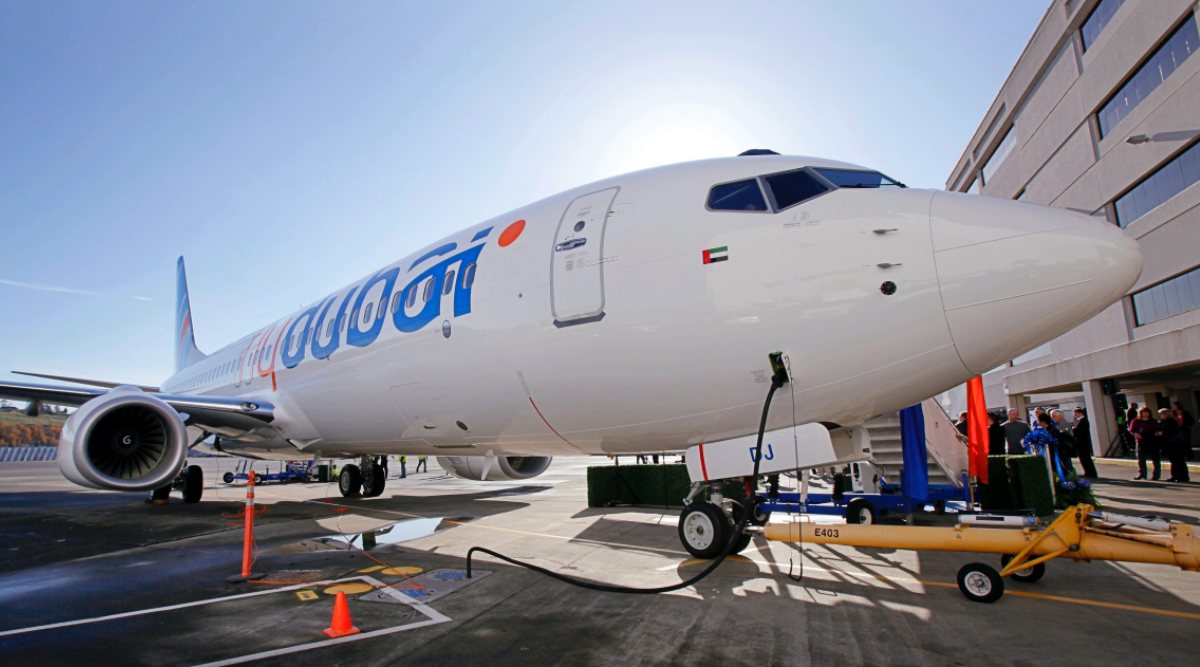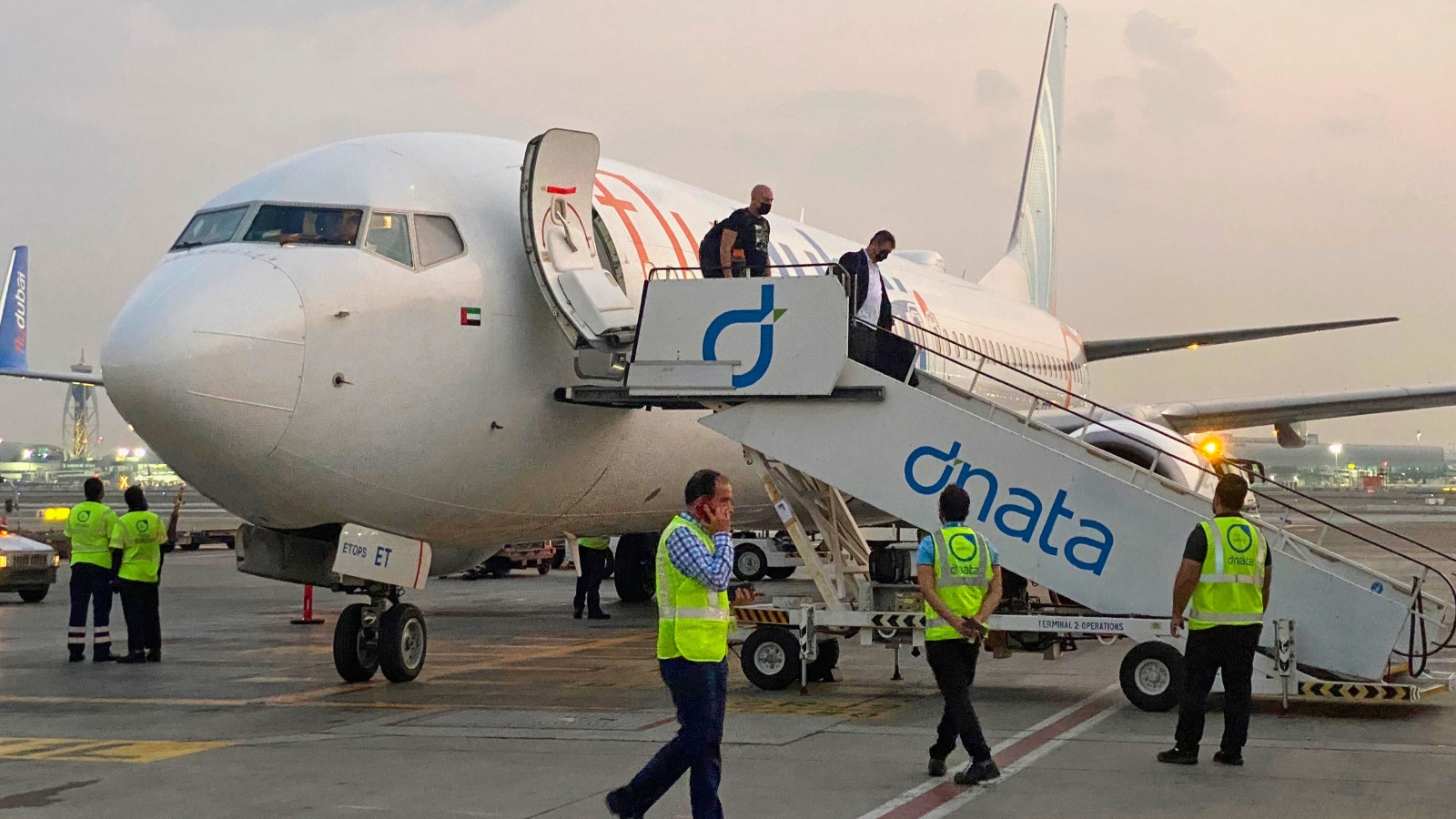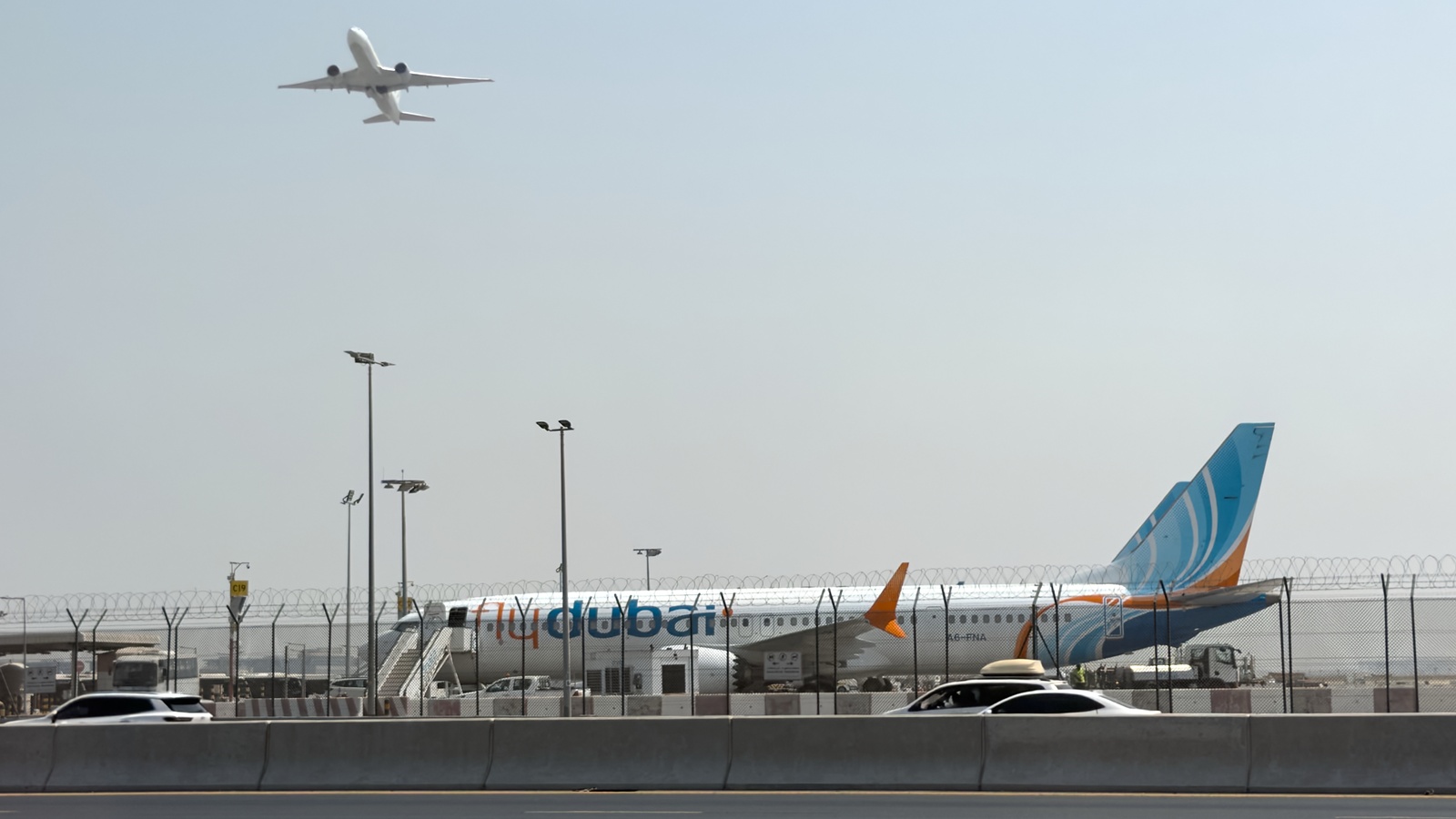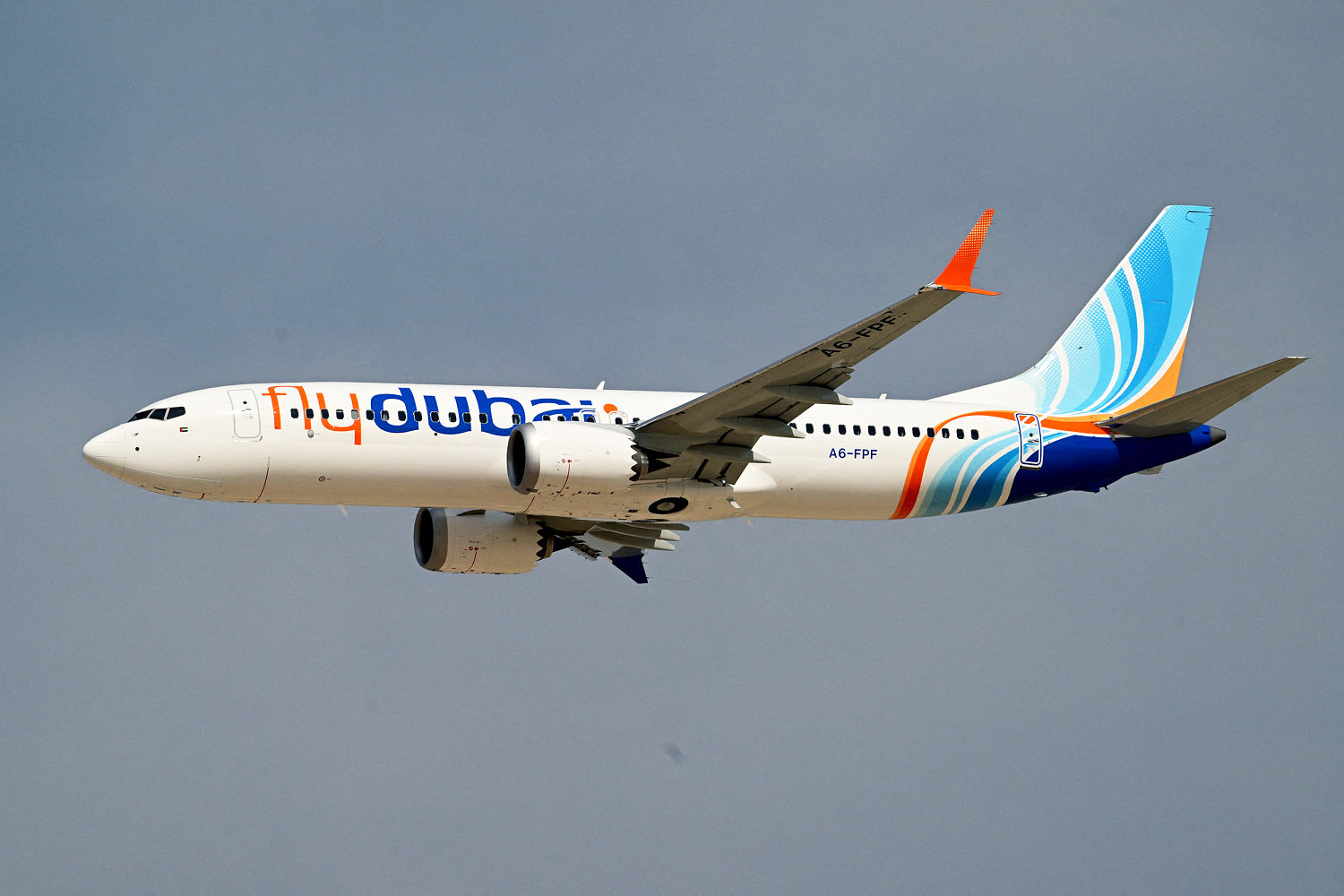
A commercial flight bound for Israel diverts. News tickers flash red. Anonymous sources whisper about a cockpit struggle, a knife, a pilot bleeding, a terrifying breach of the flight deck. Social media instantly erupts into a chorus of apocalyptic dread. Armchair aviation experts predict the immediate collapse of global air safety. Passengers are portrayed as trapped hostages in a flying metal tube hurtling toward catastrophe.
It makes for a brilliant Hollywood script. It is absolute garbage journalism. Meanwhile, you can read other stories here: Midair Panic Over Tel Aviv The Flydubai Incident That Exposed Regional Vulnerabilities.
I have spent years watching the aviation ecosystem digest operational anomalies and transform them into existential panic porn. Every time a pilot gets into a scuffle, a passenger throws a tantrum, or a technical glitch forces an unscheduled landing, the public is spoon-fed a narrative of systemic failure. The lazy consensus is simple: our skies are terrifying, our security protocols are porous, and a rogue individual can dismantle a multi-million-dollar airliner with bare hands or a makeshift weapon.
That consensus is entirely wrong. To explore the full picture, we recommend the recent article by The Points Guy.
Modern commercial aviation does not survive on luck, prayer, or the pristine moral character of every single human being inside a uniform. It survives on radical redundancy, ironclad physical containment, and cold, calculated operational protocol. When you understand how a modern flight deck actually functions, you realize that the sensationalized hysteria surrounding cockpit incidents is a monumental distraction from how aviation safety really works.
The Myth of the Single Point of Failure
The foundational flaw in every hysterical media report about cockpit violence is the assumption that a commercial airliner is a fragile machine teetering on the edge of disaster if one person loses control.
Imagine a scenario where a pilot experiences a sudden medical emergency, a severe mental health crisis, or an aggressive altercation mid-flight. To the untrained observer sitting in row 32, this feels like an extinction-level event. But aviation engineering operates on a brutally pragmatic philosophy: assume every human will fail, and build a system that continues flying anyway.
Since the structural reforms implemented after 2001, commercial cockpit doors are absolute fortresses. They are ballistic-resistant, reinforced with high-strength composite materials, locked from the inside by default, and equipped with override codes known only to authorized flight crew members. They are specifically designed to withstand physical assault, forced entry, and sustained blunt-force trauma. If someone inside the cockpit is incapacitated, injured, or acting erratically, the door does not magically swing open to invite chaos. It remains locked.
Furthermore, commercial flights are operated by multi-person flight crews. The idea that a single pilot holds absolute, unchecked dominion over the aircraft ignores the basic mechanics of Crew Resource Management. Two or more certified pilots share flight duties, cross-check instrument readings, monitor flight management systems, and maintain continuous situational awareness. If one crew member becomes a liability, the remaining crew member—backed by the reinforced physical barrier of the flight deck door and standard operating procedures—isolates the threat, assumes control of the flight controls, and initiates a diversion.
The plane does not crash because a fist is thrown or a weapon is brandished. The plane flies straight, level, and on autopilot while the crew executes a textbook diversion protocol.
Security Theatre Versus Systemic Resilience
We live in an era obsessed with security theatre. Airports subject millions of travelers to endless queues, shoe removals, liquid bans, and invasive scanning protocols under the comforting illusion that we are keeping danger out of the skies. Yet, every time an incident happens inside a cabin or a cockpit, the reflexive cry from regulators and talking heads is the same: we need more rules, more screenings, more surveillance.
This is a dangerous delusion.
More bureaucracy does not equal more safety. In fact, excessive security theatre creates operational friction, exhausts flight crews, and distracts from the actual mechanics of safety. The safety of a flight does not depend on whether a passenger managed to sneak a small metallic object past a tired screener at gate B14. It depends on the fact that even if an attacker manages to breach the cabin or assault a crew member, they cannot fly the airplane, they cannot bypass the reinforced flight deck door, and they cannot override the fundamental physics of flight automation.
I have watched airlines blow millions on cosmetic security upgrades that do nothing to stop a determined threat, while ignoring the chronic fatigue, burnout, and mental health strains plaguing their workforce. When you treat aviation security as a PR exercise designed to make nervous passengers feel warm and fuzzy, you miss the actual vulnerabilities in the system.
The Reality of Flight Diversions
Let us address the word that triggers the most panic in any news report: diverted.
To the media, a diversion is synonymous with an emergency landing, a near-death experience, or a catastrophic failure. To an airline dispatcher or an airline captain, a diversion is simply a standard operational tool used to manage risk.
Commercial pilots divert all the time. They divert because a passenger has a heart attack. They divert because of severe weather fronts. They divert because of minor mechanical warnings, hydraulic pressure anomalies, cracked windshields, or crew illness. A diversion is not an admission of defeat; it is the system working exactly as designed.
When a pilot reports an onboard altercation, a medical issue, or an injury, the immediate priority is containment and isolation. The flight deck crew communicates with air traffic control, calculates the nearest suitable airport with adequate runway length and emergency medical services, and routes the aircraft toward it. The passengers often experience nothing more than a sudden banking turn and a change in altitude.
Yet, headlines frame these routine diversions as high-altitude thrillers. They feed on the public's innate fear of flying—a phobia that defies statistical reality. Statistically, commercial aviation remains the safest mode of transportation ever invented by human ingenuity. You are exponentially more likely to be injured driving to the airport than you are experiencing a life-threatening security breach at 35,000 feet.
The Human Element We Refuse to Fix
If there is a legitimate crisis in modern aviation, it has nothing to do with cinematic cockpit battles and everything to do with how the industry treats the psychological and physical well-being of its workforce.
Pilots and flight attendants are under unprecedented pressure. Post-pandemic travel surges, chronic staff shortages, punishing scheduling rotations, irregular sleep patterns, and relentless corporate cost-cutting have stretched flight crews to their absolute limits. When human beings are pushed past the point of exhaustion, cognitive performance degrades, stress levels spike, and interpersonal friction within a cramped workspace increases.
Yet, the industry's approach to mental health and behavioral issues remains mired in punitive medievalism. Pilots who experience acute stress, anxiety, or personal crises often hide their symptoms out of fear that disclosing them will result in immediate certificate revocation and the loss of their livelihood. Instead of creating confidential, supportive pathways for mental health intervention, airlines maintain a culture of silence that forces struggling individuals to white-knuckle their way through demanding rosters.
When an isolated incident of workplace conflict or behavioral collapse occurs on an aircraft, media outlets focus exclusively on the dramatic symptoms while ignoring the systemic disease. We obsess over whether a knife was present or who threw the first punch, rather than asking why an overworked, underslept crew member was pushed into a state of acute distress in the first place.
Dismantling the Sensationalist Narrative
Let us look at how the coverage of the Israel-bound flight diversion played out.
The initial reports relied on fragmented radio chatter, unverified social media whispers, and second-hand accounts from anonymous officials. Before the wheels even touched the tarmac, pundits were already spinning elaborate conspiracy theories about geopolitics, targeted attacks, and security lapses.
This is the poison of modern real-time news cycles. Nuance is abandoned in a desperate race for clicks, shares, and algorithmic dominance. A complex operational event involving human friction inside an aircraft is stripped of all context and repackaged as a terrifying thriller designed to trigger your amygdala.
The truth is mundane, and that is precisely why the media hates it. A disagreement or a medical incident occurred. The crew followed established security protocols. The flight deck remained secure. The plane diverted safely to the nearest airport, law enforcement met the aircraft, and life moved on. No structural failure occurred. No security paradigm was shattered. The system absorbed the human error, contained the threat, and protected the passengers.
That is not a story of failure. That is a masterclass in operational resilience.
Unconventional Advice for the Modern Traveler
If you want to survive the psychological toll of modern air travel, you need to stop consuming aviation news like true crime entertainment.
Stop panicking every time a headline uses words like breached, stabbed, diverted, or chaos. Understand that the media industrial complex monetizes your fear. Every sensational article about a mid-air altercation is designed to exploit your lack of technical knowledge about how commercial aviation actually operates.
Instead of worrying about rogue pilots or invisible threats, focus on what you can actually control. Wear your seatbelt whenever you are seated, regardless of the fasten-seatbelt sign status, because clear-air turbulence is a far more statistically probable hazard than a cockpit scuffle. Respect the flight crew, follow instructions during an emergency, and remember that the people flying the plane have undergone thousands of hours of rigorous training designed precisely to handle human unpredictability.
Commercial aviation is a triumph of engineering, redundancy, and cold operational discipline. It does not need your terror. It does not need more theatrical security checkpoints. And it certainly does not need another round of breathless, clickbait journalism that mistakes a localized human dispute for an existential crisis of the skies.
The next time a breaking news alert pops up on your phone screaming about mid-air drama, take a deep breath, close the tab, and remember the fundamental reality of modern flight.
The door stays locked. The systems keep running. And the plane lands anyway.