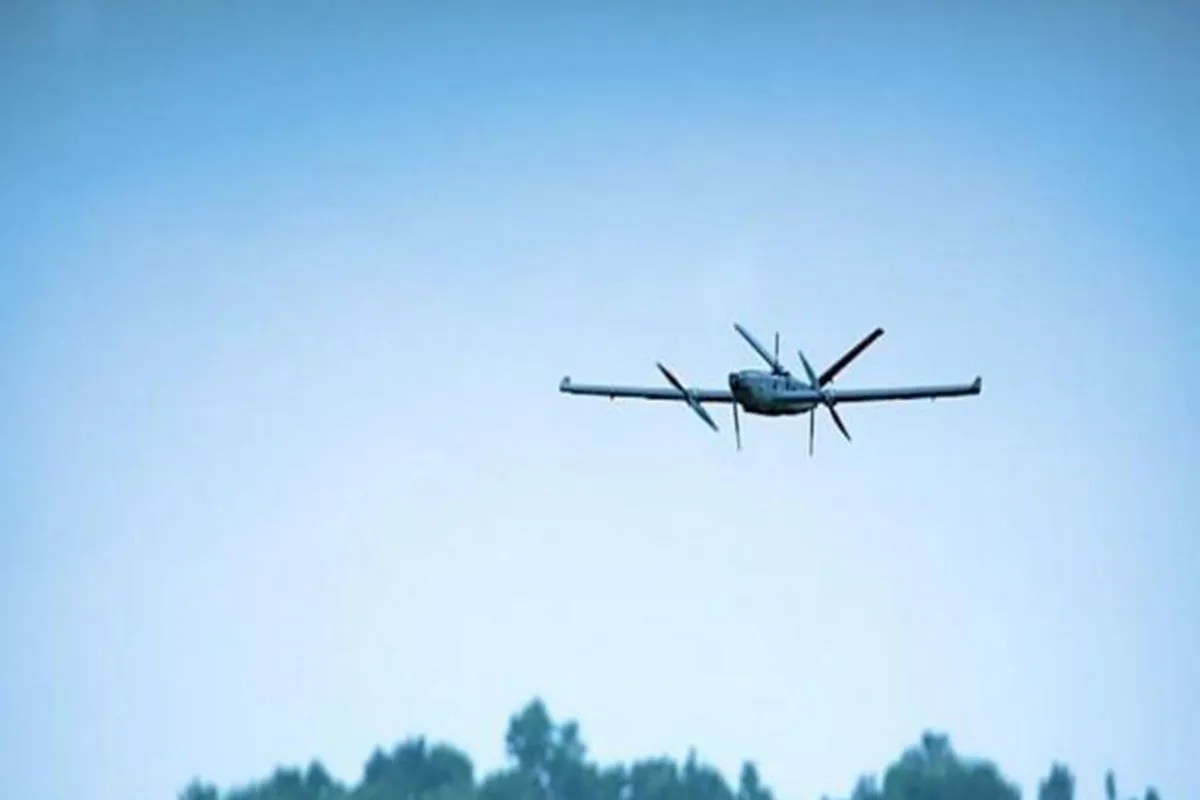
For decades, foreign policy pundits and regional analysts have mass-produced a predictable flavor of geopolitical fan fiction. They look at Iran through a lazy, archaic lens, treating the Islamic Republic as a fragile mosaic on the verge of fracturing along ethnic fault lines. Every time a Baluch militant group fires an outdated rifle at a checkpoint in Sistan and Baluchestan, or an exiled Kurdish faction launches a token drone from the rugged Qandil Mountains, think tanks race to publish breathless reports about the impending collapse of Tehran from within.
It is an intellectually lazy narrative. It mistakes regional irritation for revolutionary momentum and minor administrative headaches for existential peril.
If you want to understand why the domestic armed threat facing Iran is perpetually misunderstood, you have to stop listening to analysts who have never set foot outside a Washington conference room or a European think-tank seminar, and start looking at the cold, unyielding mechanics of asymmetric state survival.
The Myth of the Unified Internal Front
The foundational fallacy of contemporary commentary is the belief that Iran's marginalized ethnic peripheries—Kurds, Baluchis, Arabs in Khuzestan, and Turkmen—represent a cohesive domestic armed threat. They do not.
To understand why, we need to look at the structural reality on the ground. Groups like Jaish al-Adl in the southeast or various Kurdish factions (such as PJAK and the PDKI) in the northwest operate in ideological and geographical silos. Their goals are local, hyper-regional, and often mutually exclusive. A Kurdish secular socialist guerrilla in the Zagros mountains shares almost nothing culturally, politically, or strategically with a Salafi-leaning Baluch insurgent operating along the porous Pakistan frontier.
More importantly, the conventional wisdom completely misreads the center-periphery dynamic in Persian history. Even Iranians who despise the clerical regime harbor a deep, visceral aversion to national fragmentation. The specter of a Syrian-style civil war or total state collapse terrifies the urban middle class far more than police-state authoritarianism does. When push comes to shove, Persian nationalism consistently trumps ethnic separatism. The domestic armed threat has a hard ceiling, and it hits that ceiling every single time because the broader population refuses to back insurgents whose success would mean the balkanization of the country.
The Asymmetric Reality Check
Let us look at the actual operational footprint of these armed groups. We are not talking about well-funded, mechanized rebel armies marching on Tehran. We are talking about low-intensity insurgencies, hit-and-run IED attacks, sporadic ambushes on Islamic Revolutionary Guard Corps (IRGC) logistics convoys, and occasional cross-border drone deployments.
The regime handles these threats not through miraculous counter-insurgency brilliance, but through overwhelming, institutionalized securitization. The borders are harsh, heavily mined, and constantly monitored. When groups like PJAK or Jaish al-Adl strike, Tehran responds with disproportionate force: cross-border artillery barrages into Iraqi Kurdistan, targeted assassinations, and sweeping internal crackdowns that treat any form of political dissent as an armed insurgency.
Imagine a scenario where an opposition coalition actually manages to secure a pocket of territory in the borderlands. Without massive, sustained, boots-on-the-ground foreign military backing—the kind that would trigger a total regional conflagration—these enclaves are mathematically unsustainable. They are boxed in by hostile terrain, airtight state surveillance, and an intelligence apparatus that has spent forty-odd years perfecting the art of internal containment.
Looking Past the Punditry
The real danger to the regime is never going to come from men with rocket-propelled grenades hiding in caves or cross-border sanctuaries. Armed insurgencies in Iran serve a very specific, ironic purpose: they give the security apparatus the exact justification it needs to tighten the screws domestically. Every time a bomb goes off near the Pakistan border or a drone buzzes an army base in Marivan, the Ministry of Intelligence uses it to validate total internal lockdown, justifying censorship, economic strangulation, and the pre-emptive liquidation of civil society networks.
Stop buying the narrative that a domestic armed uprising is quietly eating away at the foundations of the Iranian state. It is a comforting myth for Western hawks and an exaggerated bogeyman for Tehran's hardliners to justify their budget. The regime’s vulnerabilities are economic, demographic, and institutional—not military-insurgent.
Until analysts learn to distinguish between localized discontent and actual strategic threat, commentary on Iran will remain nothing more than expensive fiction.