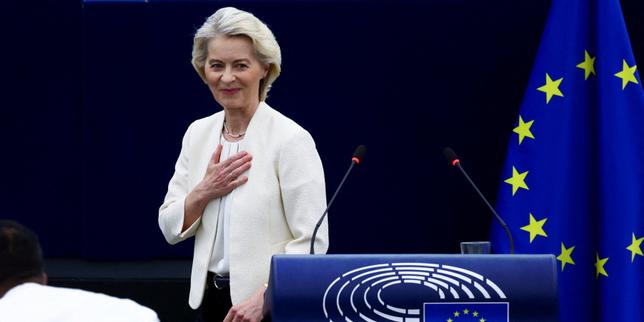
Brussels is sweating, and everyone knows why. When Ursula von der Leyen stands up to talk about an "Europe that protects," she isn't just throwing around catchy campaign slogans. She is trying to build a dam against a political tidal wave that has been reshaping national capitals from Rome to Paris. Honestly, nobody believes a simple speech will fix decades of structural disconnect between EU technocrats and working-class voters, but the Commission had to say something.
The strategy right now is clear: co-opt the anxiety before the nationalists co-opt the entire institution. If you look closely at how the political winds have shifted over the last few years, the old consensus is cracking. Voters aren't just angry about inflation or housing; they feel exposed. And when people feel exposed, they look for walls, borders, and hardline answers.
The Illusion of the Brussels Fortress
Let's cut through the diplomatic doublespeak. For years, European leadership treated populist surges as temporary hiccups—angry outbursts that would fade once economic charts ticked back up. That arrogance blew up in their faces. Parties running on anti-immigrant and Euroskeptic platforms aren't fringe movements anymore; they dictate national agendas and block consensus in the Council.
Von der Leyen’s pitch for a protective Europe rests heavily on tightening external borders and beefing up security. It's a calculated gamble. By adopting tougher stances on migration and defense, the European Commission hopes to drain the swamp where nationalist parties fish for votes. Yet, copying your opponents rarely works. Voters often prefer the original version over a watered-down imitation managed by eurocrats in suits.
"When you spend all your time reacting to the political right, you end up implementing their roadmap while wearing a worried expression."
💡 You might also like: The Absurdity of Dating Nations Why the Title of Oldest Country is a Dangerous Fiction
What Security Actually Means to Ordinary Citizens
Ask an ordinary person in a deindustrialized region of France, Germany, or Italy what protection means, and they won't talk about geopolitical grand strategy. They care about utility bills, local hospital closures, and whether their kids can afford a home.
The EU loves launching massive strategic funds and high-level industrial pacts, but the disconnect remains wide. Factories keep moving eastward or overseas, local purchasing power keeps shrinking, and people feel left behind by green transitions that look great on paper but cost a fortune at the gas pump.
If the Commission wants to build a credible shield, it has to address economic insecurity head-on. Security isn't just about border guards and drone surveillance; it's about job stability and social safety nets that actually catch people before they hit rock bottom.
The Dangerous Dance of Institutional Alliances
To keep the populist right from seizing total control of the legislative agenda, the political center has had to bend in uncomfortable directions. The informal majorities keeping the current European architecture upright rely on constant compromises. Every policy tweak on climate regulations or agricultural subsidies becomes a messy battlefield.
Farmers blocking highways with tractors across Europe last year wasn't random anger—it was a loud warning flare. They felt crushed by bureaucratic mandates handed down from ivory towers. When mainstream politicians ignore these grassroots pressures, they hand the opposition an easy monopoly on common-sense grievances.
Where Europe Goes From Here
Pretending that standard communication campaigns can reverse a profound cultural and economic realignment is a fool's errand. The European Union faces a stark choice. It can either double down on a defensive technocracy that protects corporate interests while ignoring social friction, or it can radically redesign its priorities around real human stability.
Fixing this mess requires more than glossy speeches in Strasbourg. It demands concrete relief for communities bearing the brunt of global economic shifts. Until Brussels bridges that gap, no amount of reassuring rhetoric will stop the political earthquake rumbling beneath its feet.