Brussels just stopped playing nice. If you've followed the solar market lately, you know it's been a race to the bottom on price. For years, the European Union watched as Chinese manufacturers flooded the market with dirt-cheap components. It felt like a win for the green transition at first. Cheap gear means faster installs, right? Not anymore. The EU is officially pulling the plug on subsidies for Chinese solar inverters, and it's a move that should’ve happened five years ago.
The European Commission isn't just worried about local jobs. They’re terrified of a total dependency on a single geopolitical rival for the heart of their energy grid. Solar panels get all the glory, but inverters are the brains of the operation. They turn raw DC power from your roof into the AC power that runs your fridge and charges your phone. If someone else controls those brains, they control your energy security. That's a risk the EU is no longer willing to take with taxpayer money.
The end of the open checkbook policy
For a long time, EU Member States handed out green energy grants like candy. It didn't matter where the tech came from as long as it lowered carbon emissions. That's changing. Under new rules tied to the Net-Zero Industry Act, the EU is setting strict "resilience criteria." Basically, if more than 65% of a specific technology comes from a single non-EU country, it gets blacklisted from public procurement and government-funded subsidies.
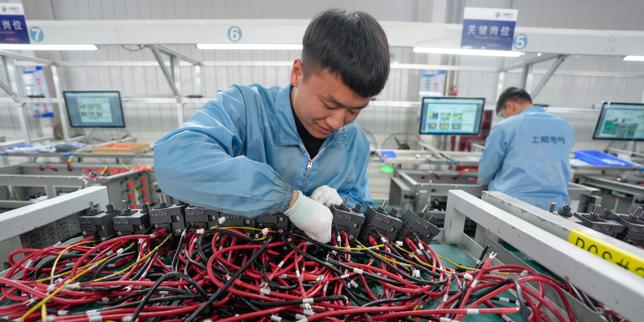
China currently controls about 80% of the global supply chain for solar components. In the inverter market, brands like Huawei and Sungrow aren't just big; they're dominant. By cutting off the financial tap, Europe is trying to force a domestic manufacturing boom. It's protectionism, sure, but it’s protectionism with a survivalist edge. We saw what happened when Europe relied on Russian gas. They don't want a sequel starring Chinese silicon.
Why inverters are a massive security headache
Most people look at a solar inverter and see a gray box. I see a computer connected to the internet. Modern "smart" inverters are sophisticated IoT devices. They communicate with the grid to balance loads and manage frequency. This connectivity is exactly what keeps security experts awake at night.
If a foreign entity can remotely access thousands of inverters across a continent, they have the power to destabilize the entire power grid. We aren't talking about science fiction. Software vulnerabilities are real. By favoring European-made inverters from companies like SMA or Fronius, the EU is betting on tighter cybersecurity standards and shorter supply chains. It's about knowing exactly what code is running on the hardware that keeps your lights on.
The price of sovereignty is going to hurt
Let’s be real. This isn't going to be a painless transition. Chinese inverters are often 20% to 30% cheaper than their European counterparts. When you strip away the subsidies, the cost of a residential solar installation is going up. There's no way around that.
I’ve talked to installers who are already scrambling. They’ve built their business models on the thin margins provided by cheap imported hardware. Now, they have to convince customers to pay a "sovereignty premium." It's a tough sell when someone just wants to save money on their monthly bill. But the EU's gamble is that by creating a captive market for local manufacturers, they’ll eventually see economies of scale that bring European prices down. It’s a "fake it till you make it" strategy for industrial policy.
Keeping the lights on without external help
The goal is to produce at least 40% of the EU's annual deployment needs for green tech within its own borders by 2030. It's an ambitious target. Right now, European manufacturers are struggling. Many have gone bankrupt or moved production abroad because they couldn't compete with the subsidized Chinese giants.
This new policy acts as a shield. By ensuring that public money only flows to "resilient" tech, the EU is creating a guaranteed customer base for companies like Meyer Burger or Italian inverter makers. It's about building an ecosystem. You need the factories, but you also need the R&D and the skilled workers. You don't get those if every project uses imported boxes from Shenzhen.
What this means for your next solar project
If you're planning to put solar on your roof, don't panic. You can still buy whatever inverter you want. The EU isn't banning Chinese products for private citizens. They’re just saying you won't get a government check to help pay for them.
If you’re relying on a state-funded grant or a specific "green loan" from a bank that follows EU guidelines, you’ll likely be forced to choose a European-made inverter. Honestly, that’s probably a good thing for you in the long run. European brands tend to have better warranties and actual human beings you can call in your own time zone if things go south.
Check the "Made in" label on your quote. Ask your installer about the Net-Zero Industry Act compliance of the hardware they're suggesting. If they look at you blankly, find a new installer. The transition is happening now, and the smart money is moving away from total dependence on a single source. Don't get caught with a system that loses its support or subsidy eligibility halfway through its lifespan. Pick hardware that aligns with where the regulations are headed, not where they’ve been.