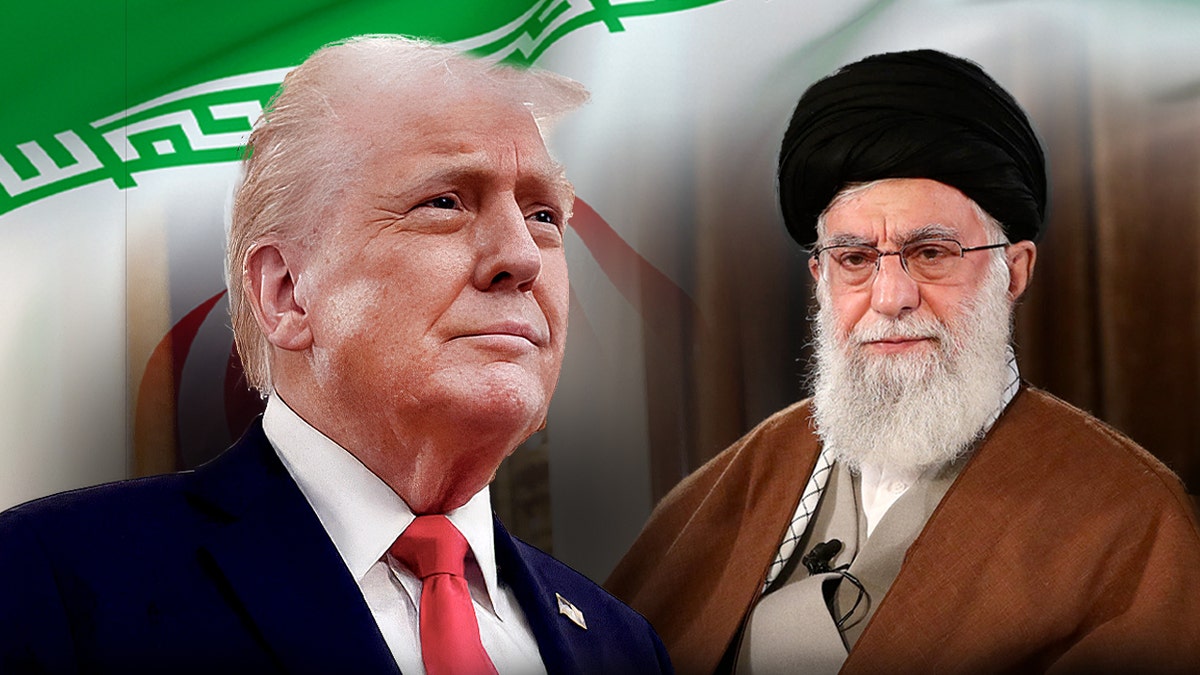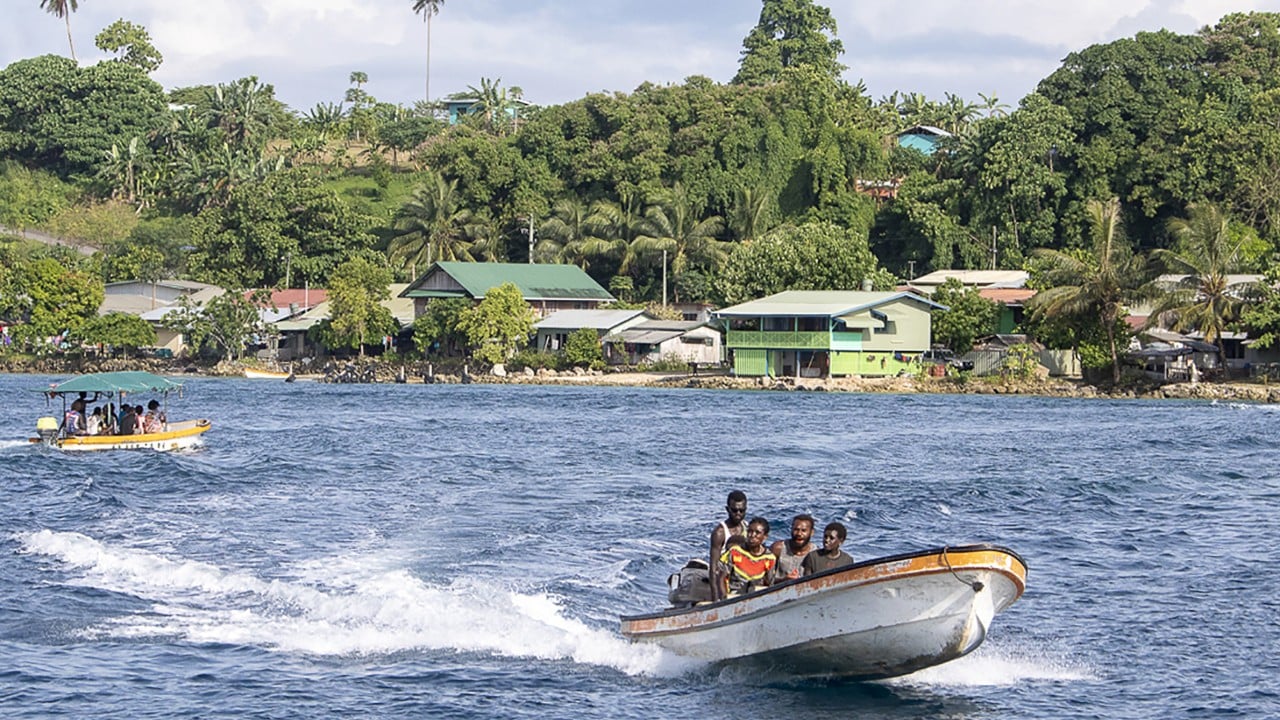
The price of a gallon of fuel in a remote Pacific archipelago isn’t set by local demand or regional policy. It is dictated by the volatility of the Strait of Hormuz. As conflict involving Iran chokes global supply lines, the smallest nations on earth are the first to bleed. While larger economies debate strategic reserves and interest rate hikes, families from Kiribati to the Marshall Islands are forced into a brutal calculation. They are deciding whether to power a fishing boat for the day’s catch or buy a month’s supply of essential medicine.
This isn't a temporary inconvenience. It is a systemic collapse. If you liked this piece, you might want to look at: this related article.
The Pacific island nations are the most fuel-dependent territories in the world. They rely on refined petroleum for nearly 95% of their energy needs, including electricity generation and transportation. When the global supply chain fractures, these islands sit at the very end of the line. Tankers diverted by war or soaring insurance premiums simply stop coming. The result is a scarcity that transcends economics and enters the territory of a humanitarian crisis.
The Geopolitic of the Last Mile
Most observers look at the Middle East and see a regional war. To an islander, that war is a physical barrier to survival. The Pacific depends on a fragile "just-in-time" delivery system. Smaller nations do not have the infrastructure to store vast quantities of fuel. They operate on a razor’s edge, where a two-week delay in a shipment triggers immediate rationing. For another look on this event, refer to the latest coverage from The New York Times.
As Iran-related tensions escalate, global shipping companies have rerouted vessels and hiked freight costs to cover the risk of transit through contested waters. These costs are passed down. In a large economy, an extra fifty cents at the pump is a nuisance. In a micro-economy where the average daily income might be less than ten dollars, it is a death sentence for small businesses.
The "last mile" of delivery to these islands is the most expensive leg of the journey. Logistics providers often use smaller, less efficient vessels to navigate shallow reefs and underdeveloped ports. When the base price of crude spikes, these secondary costs explode. We are seeing a phenomenon where the cost of transporting the fuel begins to eclipse the value of the fuel itself.
The Invisible Choice Between Food and Health
The current crisis has forced a shift in household spending that is rarely captured in high-level economic data. In many Pacific communities, the cost of kerosene and diesel has doubled in less than a year. Because these islands import the vast majority of their food, transport costs are baked into every loaf of bread and every tin of fish.
Public health is the primary casualty. Hospitals in remote provinces rely on diesel generators to keep vaccines cold and surgical suites powered. When the fuel runs dry, or the price becomes prohibitive, the clinics go dark. We are seeing reports of residents deferring treatment for chronic conditions because the bus fare to the regional center has tripled.
This is the energy-poverty trap. To save money for skyrocketing electricity bills, families cut back on protein. To pay for the fuel needed to pump clean water, they skip doctor visits. It is a slow-motion erosion of human capital that will take a generation to repair.
Why the Green Transition is Stalling
A common argument from international observers is that these islands should simply pivot to renewables. On paper, the Pacific is an ideal candidate for solar and wind power. The reality is far more complicated and reflects a failure of international finance.
The upfront capital required to build a solar grid that can withstand a Category 5 cyclone is immense. Most Pacific nations are already drowning in debt, much of it tied to previous infrastructure projects or climate adaptation. They cannot borrow their way out of a fuel crisis. Furthermore, the technical expertise required to maintain high-tech battery storage systems is often absent in remote areas.
There is also the issue of "baseload" power. While solar works during the day, the fish processing plants and hospitals that drive these economies need power around the clock. Without massive investments in storage—which currently remains out of financial reach—these nations remain tethered to the diesel engine. The very ships that would bring the solar panels are themselves powered by the fuel that is currently too expensive to buy.
The Failure of Regional Buffer Schemes
For decades, there have been talks of a regional "bulk procurement" plan. The idea was simple: if the Pacific islands banded together to buy fuel as a single bloc, they would have more leverage with oil majors and could negotiate better prices.
This has largely failed.
National interests, varying port specifications, and the influence of established distributors have kept the region fragmented. Each island nation continues to negotiate its own contracts from a position of weakness. They are price-takers in a market that doesn't care if they survive.
The existing safety nets are too small. Strategic reserves in places like Fiji or Samoa are designed to handle short-term weather disruptions, not a multi-year global energy realignment caused by a Middle Eastern war. When the regional hubs run low, they prioritize their own domestic needs, leaving the "outer islands" in total isolation.
The Role of Shadow Fleets and Risky Logistics
Desperation is driving some actors toward the "shadow market." As legitimate supply dries up or becomes too expensive, there is an increasing risk of unregulated fuel entering the region. This fuel is often of lower quality, which damages engines and increases environmental risks in some of the most biodiverse waters on the planet.
It also creates a security vacuum. When traditional Western-aligned energy companies find the Pacific market too small or too risky to service during a global shortage, other powers move in. We are seeing a shift in who controls the taps. Energy security is becoming a lever for geopolitical influence.
The Economic Ghost Towns
The tourism industry, which serves as the backbone for countries like Fiji, Vanuatu, and the Cook Islands, is particularly vulnerable. High fuel prices translate directly to expensive airfares. When a flight from Sydney or Los Angeles doubles in price, the tourists stay home.
When the tourists stay home, the local resorts close. When the resorts close, the demand for local produce and services vanishes. It is a domino effect that starts at a refinery in the Persian Gulf and ends with a closed market stall in Suva.
The fishing industry is seeing similar devastation. For an independent fisherman, fuel is the single largest expense. If the cost of the petrol used to reach the fishing grounds is higher than the market value of the tuna caught, the boat stays on the sand. This isn't just an economic loss; it is a direct hit to the primary source of protein for these populations.
Break the Cycle Through Sovereignty
The solution is not more aid in the form of short-term fuel subsidies. That is a band-aid on a gunshot wound. Subsidies only encourage continued dependence on the very commodity that is strangling the economy.
True energy sovereignty requires a radical restructuring of Pacific debt. International lenders must allow these nations to redirect debt-servicing payments into immediate, localized renewable grids. This isn't charity; it is a pragmatic necessity to prevent a total regional collapse.
Regionalism must also move beyond rhetoric. A centralized Pacific Energy Agency with the power to manage a massive, shared strategic reserve and a unified shipping fleet is the only way to gain the scale necessary to survive global shocks.
The current model is a relic of a more stable era. In a world where the Strait of Hormuz can be closed by a drone strike or a political decree, the Pacific cannot afford to be the last stop on a broken line. The choice for these nations is no longer about "going green" for the sake of the planet. It is about decoupling their survival from a part of the world they have no control over.
Governments must prioritize the "micro-grid" over the national grid. Decentralizing power generation—putting solar and wind in every village rather than relying on a single diesel plant in the capital—creates resilience. If one village runs out of battery storage, the entire country doesn't go dark. This shift requires a move away from "prestige" infrastructure projects toward grassroots engineering.
The price of oil will eventually fall, but the lesson of this crisis must not be forgotten when it does. Every dollar spent on a gallon of imported diesel is a dollar that leaves the local economy forever. Every kilowatt generated by the sun is a step away from the energy trap.
The Pacific stands at a crossroads. It can remain a hostage to global volatility, or it can use this crisis to force a final, painful divorce from the fossil fuel era. The time for gradual transition has passed. Survival now demands a total break.