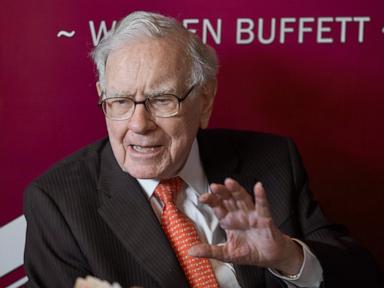
Father Time always wins. Even when your name is Warren Buffett.
When the Oracle of Omaha officially stepped down as chairman of Berkshire Hathaway, it marked the absolute end of an era in American capitalism. For over sixty years, Buffett transformed a struggling New England textile mill into a trillion-dollar investing behemoth. People love to talk about the stock picks and the folksy wisdom shared at the annual meetings in Omaha. But the real story isn't about ticker symbols. It's about a masterclass in corporate governance and long-term planning that most modern executives completely fail to understand. In similar news, we also covered: The Degrees Facing Extinction While Employers Quietly Rewrite the Rules.
The Transition Nobody Panic-Bought Over
Most corporate handoffs trigger stock sell-offs and panic. Wall Street hates uncertainty. Yet when Buffett stepped back from the CEO chair and later relinquished his seat as chairman, the markets barely blinked.
Why? Because the succession plan wasn't scribbled on a napkin the week before. It was years in the making. Greg Abel stepped into the CEO role, and Buffett's son, Howard Buffett, took over the chairmanship to act as the guardian of the corporate culture. The Wall Street Journal has analyzed this critical issue in extensive detail.
You don't build a $1 trillion institution by accident. Buffett understood key-person risk better than anyone. While tech founders often cling to power until they break down or get pushed out by activist investors, Buffett engineered his own graceful exit. He knew that a true corporate empire has to outlive its creator.
What Greg Abel is Doing Differently
Change is already happening behind closed doors, even if the core philosophy stays intact. Abel isn't Buffett. He doesn't have the same folksy media footprint, and he operates with a different operational tempo.
Recent earnings reports show Abel leaning into active capital allocation. He has resumed share buybacks and kept the portfolio razor-focused on high-conviction winners. Under Buffett, the massive cash pile often grew because finding attractively priced assets in a bloated market became nearly impossible. Abel faces that exact same mountain of cash, but he has to deploy it in a market driven by algorithmic trading and artificial intelligence hype—things Buffett famously kept at arm's length.
The core investing thesis hasn't fractured, though. Concentration still rules the day. Apple and a handful of other massive holdings still anchor a huge chunk of Berkshire's portfolio. Abel isn't trying to reinvent the wheel. He is keeping the engine running while adjusting the steering.
The Real Lesson for Business Leaders
If you run a company, look closely at how Berkshire handled this transition. Most founders treat their business like an extension of their own ego. They make themselves the single point of failure.
Buffett did the opposite. He built a fortress of decentralized management. He bought great businesses, hired exceptional operators, and left them alone. More importantly, he built a board and a leadership structure designed to protect those values long after he checked out.
Howard Buffett's role as chairman isn't about stock picking. It's about culture preservation. In his own words, Howard is there as a policy the shareholders own and hope never to claim against. That is how you institutionalize integrity.
The Oracle may have stepped away from the boardroom table, but the blueprint he left behind is open for anyone willing to read it. Stop looking for shortcuts, focus on ruthless honesty with your stakeholders, and build systems that don't depend on one single person to survive.


