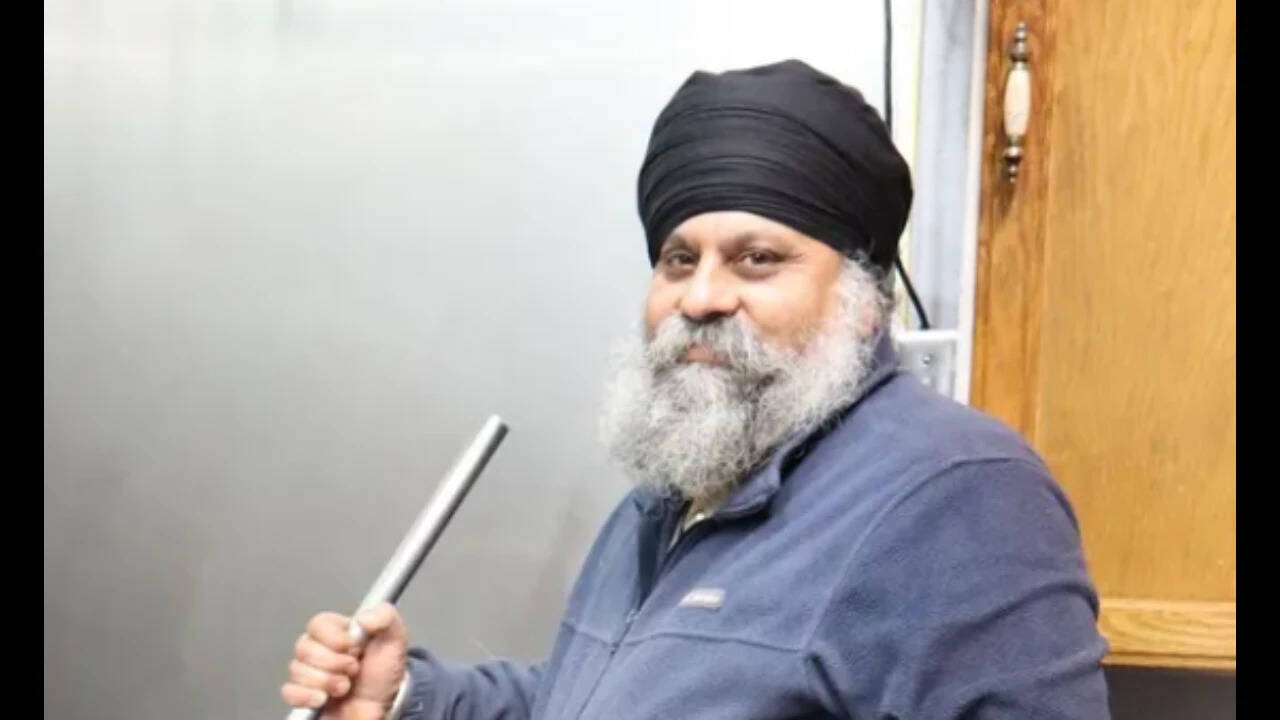
One suspect is in custody in Mexico after an eight-month international manhunt, while two accomplices remain at large in the fatal kidnapping of California Sikh temple caretaker Avtar Singh. The arrest marks a critical break in a case that stunned Central Valley communities and exposed glaring vulnerabilities in cross-border fugitive tracking. Yet for investigators in San Joaquin County and federal task forces working south of the border, capturing the first suspect is only the beginning of an uphill legal and operational battle.
Crime scenes rarely announce their complexity in the opening hours. When 57-year-old Avtar Singh vanished from the grounds of a Tracy-area gurdwara in February, local detectives initially treated the disappearance as an urgent missing-person investigation with foul play suspected. Security footage and witness accounts quickly shifted the trajectory. Three men had forcibly abducted Singh from the religious compound, bundling him into a waiting vehicle before disappearing onto California's sprawling highway network. Days later, investigators located Singh's body, transforming a desperate rescue operation into a multi-jurisdictional homicide investigation.
Anatomy of an Eight-Month Manhunt
Tracking fugitives across international borders requires far more than issuing an arrest warrant and waiting for a routine traffic stop. Once detectives identified the three suspects through digital footprints, license plate readers, and cell tower dumps, they hit a familiar wall. The suspects had fled south into Mexico, exploiting the porous nature of outbound border crossings where vehicle inspections are rare and automated biometric checks are virtually nonexistent.
United States law enforcement cannot simply cross the Rio Grande or drive past Tijuana with badges and handcuffs. Operating in Mexico requires navigating a strict diplomatic and legal framework. Federal marshals, FBI legal attachés, and San Joaquin County investigators had to build an airtight evidentiary package that satisfied both American judicial standards and Mexican federal extradition protocols. Every wiretap transcript, forensic match, and surveillance frame had to be translated, authenticated, and routed through diplomatic channels before Mexican authorities could execute a provisional arrest warrant.
Eight months is actually brisk by international fugitive standards. Many homicide suspects vanish into Mexico's interior for years, blending into cash-based economies, altering their appearances, and relying on extended family networks to stay off the grid. The breakthrough in Singh's case came from relentless electronic surveillance and tip-line verification—a methodical grinding down of the suspects' communication channels until one man slipped up and revealed his location.
Why Two Suspects Remain Ghosts
The arrest of one suspect inevitably triggers panic among the remaining fugitives. The moment news of the capture broke, the two men still on the run almost certainly burned their prepaid phones, abandoned their current safe houses, and severed contact with anyone known to law enforcement. In fugitive investigations, the first arrest is a double-edged sword. It yields a potential cooperating witness, yet it simultaneously warns the remaining targets that the net is closing.
Several operational realities explain why the other two men have evaded capture so far:
- Decentralized movement across state lines. Fugitives rarely stay together once they cross into Mexico. Separating forces investigators to triple their surveillance footprint across multiple Mexican states, each with its own local police structure and varying levels of federal cooperation.
- Cash-only survival tactics. Without bank accounts, credit cards, or registered vehicles, fugitives leave almost no financial trail. Detecting them depends entirely on human intelligence or rare digital mistakes, such as logging into an old social media account from a borrowed device.
- Delayed extradition bottlenecks. Even when Mexican authorities locate a suspect, the physical transfer back to California is never immediate. Fugitives have the right to file amparo appeals—constitutional challenges in Mexican courts that can stall extradition proceedings for months or even years.
Law enforcement veterans know that public pressure peaks right after an arrest, while the actual work slows down. Investigators must now press the detained suspect for actionable intelligence while keeping quiet about what they already know, lest they tip off the two men still hiding.
The Unanswered Question of Motive
While headlines focus on the cross-border chase, the core mystery driving the investigation remains partially obscured from public view. Kidnappings in California's Central Valley are rarely random acts of street violence. Unlike opportunistic robberies, targeted abductions from religious sanctuaries involve planning, surveillance, and specific intent.
Detectives have kept tight-lipped about the precise motive behind Singh's murder, a standard practice when two suspects remain unapprehended and co-conspirators could still be intimidated or silenced. In similar targeted abductions within tight-knit immigrant communities, motives typically cluster around three possibilities:
- Personal or familial disputes. Long-standing grievances, property conflicts, or broken business arrangements that escalate across continents and culminate in violence on American soil.
- Mistaken identity. Cases where hired operatives target the wrong individual due to flawed surveillance, shared names, or misidentified vehicles—a tragic error that happens more often in amateur kidnapping plots than prosecutors care to admit.
- Financial extortion. Abductions intended to extract ransom from relatives or community institutions that spiral out of control when the victim resists or recognizes the captors.
Consider a hypothetical example of how an amateur extortion plot unravels. Suppose three men plan to hold a victim for twenty-four hours to demand money from associates, expecting compliance. If the victim suffers a medical emergency or fights back during transport, panic replaces planning. What began as an extortion scheme ends with a body dumped miles away and three men racing toward the southern border before morning. Whether Singh's killers acted out of personal malice, financial desperation, or hired malice, the brutality of snatching a caretaker from a house of worship violated a deeply held cultural boundary.
Security Gaps at Houses of Worship
The abduction of Avtar Singh forced Sikh gurdwaras and other religious institutions across California to confront an uncomfortable truth. Houses of worship are built on radical hospitality. Doors remain unlocked, visitors are welcomed without background checks, and community kitchens serve anyone who walks in off the street. That openness is a spiritual cornerstone, yet it leaves caretakers and congregants exposed.
In rural and semi-rural areas like Tracy, gurdwaras often sit on expansive agricultural parcels bordered by orchards and highway access ramps. Police response times in unincorporated counties are measurably longer than in dense urban centers. A kidnapping crew can enter a property, isolate a lone caretaker, and reach an interstate highway before a dispatcher even finishes logging the initial emergency call.
Since February, temple committees across the Central Valley have quietly upgraded their physical security. High-definition license plate recognition cameras, perimeter fencing, automated gate systems, and panic buttons wired directly to county sheriff dispatch centers are replacing the informal watchfulness that used to suffice. Still, hardware cannot solve every vulnerability. A temple cannot operate like a fortress without losing the very spirit that defines it, leaving community leaders to balance open doors against real-world threats.
The Long Road Through Extradition and Trial
Capturing a suspect in Mexico does not mean he will stand inside a San Joaquin County courtroom next week. The extradition pipeline between Mexico and the United States is notoriously slow, clogged with procedural safeguards and diplomatic reviews. Prosecutors in California must guarantee that they will not seek the death penalty—a non-negotiable condition required by Mexican law before any fugitive is surrendered to American custody.
Once the first suspect is finally wheeled into a California courtroom, defense attorneys will immediately scrutinize every step of the cross-border arrest. They will challenge whether Mexican agents respected due process during the detention, whether statements made south of the border are admissible under the Fifth Amendment, and whether cell-site location data gathered over eight months was obtained with valid warrants.
At the same time, the district attorney's office will face a strategic dilemma. Do they proceed to trial against the single defendant in custody, risking the exposure of confidential informants and sensitive investigative methods while two killers remain free? Or do they seek continuances, holding the first suspect in pre-trial detention while federal marshals hunt down the remaining two fugitives so all three can be tried together?
Joint trials favor prosecutors. When three co-defendants sit at the same defense table, finger-pointing is inevitable, and jurors hear the complete narrative in one unified proceeding. Separate trials, by contrast, allow the fugitives still on the run to watch the prosecution's strategy unfold from afar, giving them a blueprint for their own defense if they are eventually caught.
What Happens Next in the Hunt
For Avtar Singh's family and the congregation that knew him, an arrest in Mexico offers partial validation rather than closure. Justice in a multi-defendant homicide is binary; until all three men are accounted for, the threat lingers over witnesses and relatives alike.
Federal task forces rely heavily on the psychological pressure that follows a major arrest. Fugitives on the run must be lucky every single day, while investigators only need to get lucky once. Every phone call to a relative back in California, every wire transfer routed through an intermediary, and every border-town rumor gives detectives another thread to pull. Two empty chairs remain at the defense table in San Joaquin County, and until they are filled, the manhunt is far from over.