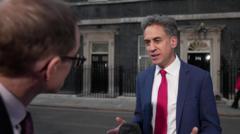
When news broke that Ed Miliband called his appointment as Foreign Secretary the "honour of my life," political commentators immediately started pulling apart what this shift actually means for British diplomacy. Cabinet reshuffles happen all the time in Westminster, but moving a high-profile figure like Miliband into the Foreign, Commonwealth and Development Office isn't just routine administrative shuffling. It marks a fundamental pivot in how the UK intends to handle global affairs and international negotiations.
For years, Miliband focused heavily on domestic energy security and climate goals. Putting him in charge of global diplomacy signals a clear strategic decision to tie foreign policy directly to energy transition and international climate action. For a closer look into similar topics, we suggest: this related article.
The Foreign Office Shift and What It Means
Taking over foreign policy during a period of worldwide instability is no easy assignment. The foreign secretary role demands constant negotiation, managing complex alliances, and responding quickly to overseas flashpoints. When Miliband took on the role, he inherited a massive global portfolio that includes national security council responsibilities, intelligence policy oversight, and diplomatic relations across dozens of regions.
His background brings a distinct flavor to diplomatic affairs. Rather than following traditional career paths into international diplomacy, Miliband spent decades building policy frameworks around economic reform and climate legislation. Back in 2008, he oversaw the UK's Climate Change Act, making Britain an early pioneer in legally binding carbon reduction targets. For further background on this development, detailed coverage is available at NBC News.
That experience changes how he approaches overseas relationships. When meeting foreign ministers today, the focus frequently centers on economic cooperation through green infrastructure, securing global supply chains, and establishing practical trade agreements.
Why Climate Knowledge Shapes Modern Diplomacy
Diplomacy in 2026 isn't just about traditional treaties and defense pacts anymore. International relations are increasingly dictated by critical resource access, energy independence, and climate resilience. Countries across Europe, North America, and Asia are racing to build clean power networks while insulating themselves from global energy shocks.
Having a foreign secretary who spent years managing energy portfolios creates immediate advantages during international summits.
- Direct expertise when negotiating global clean power agreements and supply deals.
- Clear understanding of international regulation regarding carbon markets and trade tariffs.
- Existing relationships with global leaders focused on green technology exports.
- Ability to link domestic economic targets directly with foreign investment strategy.
When Miliband called the post an honour, he acknowledged the sheer scale of foreign policy challenges currently facing the UK. The global situation requires real diplomatic finesse rather than recycled talking points.
How Global Alliances Are Reacting
International partners watch Cabinet appointments very closely. A shift at the Foreign Office tells allies and competitors exactly what a government intends to prioritize on the world stage.
Across Washington and European capitals, Miliband is a familiar face. His time hosting current affairs podcasts, lecturing at Harvard University, and serving in previous shadow and actual cabinets means international observers already know his stance on key global issues. He isn't an unknown quantity stepping onto the world stage. That familiarity helps speed up diplomatic discussions, avoiding the usual break-in period that newly appointed ministers often face.
Middle Eastern and Asian partners view the move through an economic lens. Countries investing heavily in new energy technologies want stable, predictable partners. A foreign policy heavily aligned with energy security provides a predictable framework for long-term investments.
Practical Steps for Following UK Foreign Policy Moves
Keeping track of UK foreign policy shifts helps businesses and individuals anticipate economic changes, regulatory shifts, and international travel guidance.
- Monitor Official FCDO Releases: Check the Foreign, Commonwealth and Development Office portal regularly for updated travel advisories and major international statement publications.
- Track Key Diplomatic Summits: Watch outcomes from major international gatherings where trade and foreign policy overlap.
- Follow Foreign Investment Announcements: Pay close attention to international agreements focusing on supply chain security and energy infrastructure projects.
- Read Bilateral Communiqués: Review joint statements published after bilateral meetings between the UK foreign secretary and global counterparts to spot shifting policy priorities early.