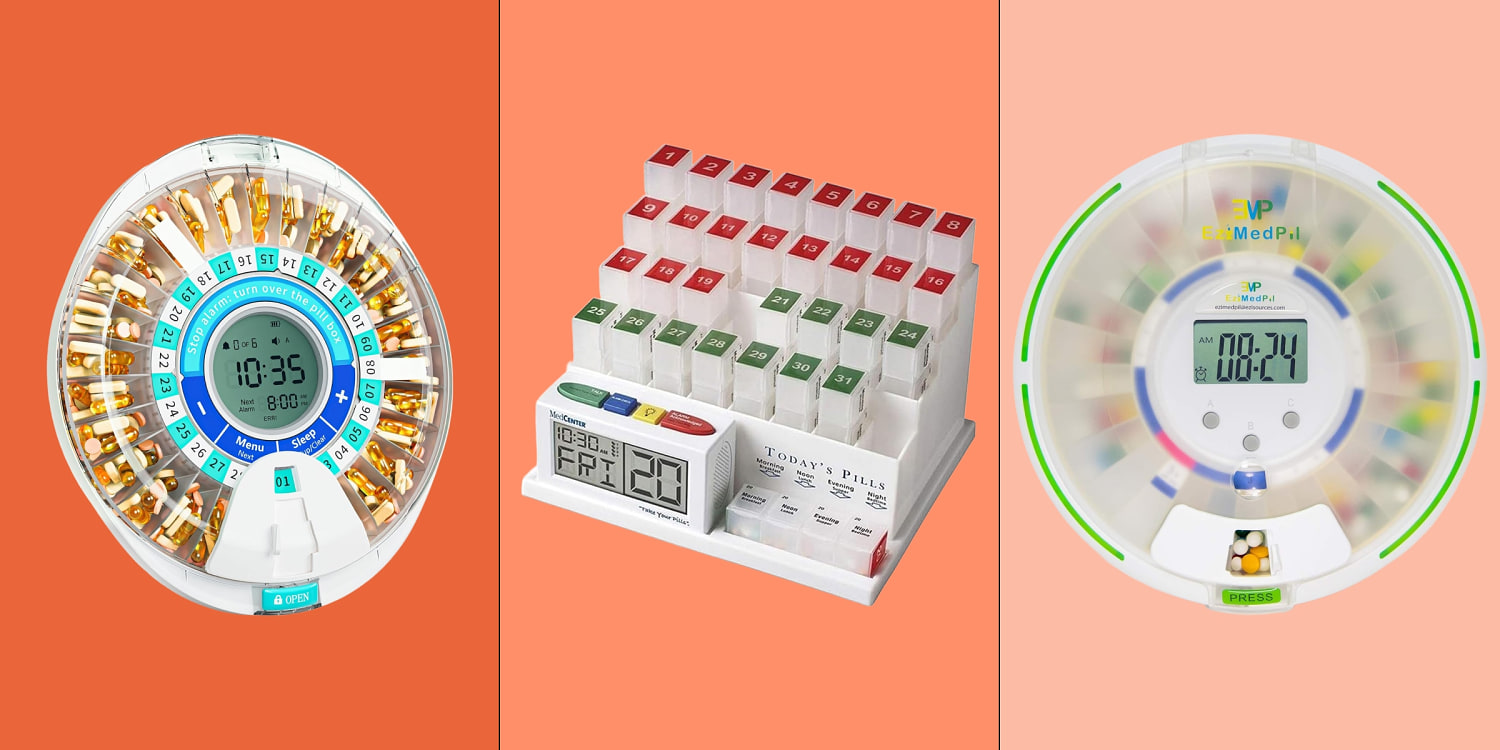
Managing a complex medication routine is exhausting. If you are caring for an aging parent or managing your own chronic conditions, you already know the drill. The plastic weekly pillboxes from the local pharmacy are cheap, but they do nothing to prevent missed doses, double-dosing, or sheer confusion.
That is why automatic pill dispensers are surging in popularity. But here is what most glossy marketing campaigns won't tell you: doctors have a love-hate relationship with these devices.
When they work, they save lives and keep people out of the emergency room. When they fail—or when they are set up incorrectly—they create a false sense of security that can lead to disastrous medication errors.
If you are looking for the right automatic pill dispenser, you cannot just buy the one with the highest star rating on Amazon. You have to match the machine to the specific cognitive and physical needs of the person taking the medication. Let's break down how to do that, featuring the top-performing models on the market and direct clinical insights on what makes a device safe.
What Doctors Wish You Knew Before Buying a Pill Dispenser
Before looking at specific models, we need to address the clinical realities. Geriatricians and home-health nurses see the fallout of poorly chosen medical tech every single day. They emphasize three major rules that should dictate your purchase.
Cognitive decline changes everything
If your loved one has moderate-to-severe dementia or Alzheimer's, a standard automatic dispenser can actually cause panic. When the alarm blares, a confused patient might try to pry the machine open with a butter knife or throw it across the room. If cognitive impairment is a major factor, you need a heavy-duty locked device or a monitored service, not a basic flashing carousel.
The lock is your safety net
Doctors overwhelmingly recommend locked compartments. Why? Because accidental double-dosing is incredibly common. A senior might take their 9:00 AM pills, forget they took them ten minutes later, and try to take more. A locked cover ensures only the current, correct dose is accessible.
Subscription fees are the industry's dirty secret
You will find two distinct business models in this space. Some devices are a one-time purchase; you buy the machine, program it yourself, and that's it. Others require a monthly subscription fee (often $30 to $50 a month or more) to keep the app, cellular connection, and caregiver alerts active. Decide what your budget can handle before committing to a ecosystem.
The Best Automatic Pill Dispensers of the Year
The following devices represent the gold standard for various needs, budgets, and levels of care.
Hero Smart Dispenser: Best Overall for Complex Routines
Cost: High subscription fee (approx. $30–$45/month) + upfront setup fee
Capacity: Up to a 90-day supply of 10 different medications
Connectivity: WiFi and Cellular backup
The Hero Smart Dispenser is basically the espresso machine of medication management. Instead of you sorting pills into individual daily cups, you dump entire bottles of up to ten different medications into separate internal chambers. The machine uses an internal sorting mechanism to dispense the exact combination of pills at the exact time they are due.
Why doctors love it:
It takes the human error out of sorting. If a doctor changes a dosage mid-month, you don't have to fish pills out of tiny plastic cups. You simply update the schedule in the app, and the machine adjusts the dispense formula immediately. The companion app also sends real-time notifications to caregivers if a dose is missed.
The catch:
It is expensive. You never actually "own" the device; you are renting it via a monthly subscription. It is also physically large and noisy when sorting. Additionally, it cannot handle half-pills, gummy vitamins, or powder-coated tablets, which can stick to the internal mechanisms.
MedReady 1700: Best Budget and High-Security Pick
Cost: One-time purchase (around $150)
Capacity: 28 dosage compartments
Connectivity: None (cellular monitored versions available for an extra fee)
If you want something reliable, simple, and free of ongoing monthly bills, the MedReady 1700 is a classic. It looks like a gray, circular vault. Inside is a carousel with 28 compartments. If you take pills once a day, it lasts for 28 days; if you take them four times a day, it lasts for a week.
Why doctors love it:
It is incredibly secure. The locking mechanism is robust, preventing access to any medication other than the active dose. There are no confusing screens or apps for the patient to navigate. When the loud alarm sounds, the tray slides open, they take the pills, and the alarm stops.
The catch:
It must be loaded manually, cup by cup. This means a caregiver or pharmacist has to sit down and physically sort the pills every week or month. If you choose the base model, there are no remote caregiver alerts if a dose is missed.
LiveFine Automatic Pill Dispenser: Best Value for Independent Seniors
Cost: One-time purchase (around $80)
Capacity: 28 dosage compartments
Connectivity: Bluetooth (on some models) or completely offline
The LiveFine dispenser is a highly accessible middle ground. It operates on a similar carousel mechanism to the MedReady but features a modern, clean interface with a clear lid (which can be swapped for a solid white one to reduce visual confusion for dementia patients).
Why doctors love it:
It is highly customizable without being overly complex. It features multiple templates that you slide into the center of the wheel to guide you during manual loading (e.g., a template for 3 doses a day, 4 doses a day, etc.). The alarm is highly adjustable, offering both visual flashing lights and loud acoustic tones for those with hearing impairment.
The catch:
The lock is plastic and relatively basic. A determined patient with cognitive impairment could break into it with some effort. It is best suited for seniors who want to stay on track but do not actively resist taking their medication.
MedaCube: Best for Maximum Independence and Massive Capacity
Cost: Very high upfront hardware cost (around $1,400) or high rental
Capacity: Up to 16 different bulk medications, months of storage
Connectivity: Cellular and WiFi
The MedaCube is a clinical-grade bulk dispenser designed for patients who take many different medications and want months of complete independence. Like the Hero, it stores pills in bulk and sorts them on demand.
Why doctors love it:
It is incredibly reliable and physically secure. It has a heavy, stable build that is very difficult to tamper with. If a dose is missed, it can send phone calls, text messages, and email alerts to a whole list of family members or professional care providers. It also has a screen that can display custom instructions, like "Take with applesauce."
The catch:
The price point is a massive barrier for most families. It is primarily used in managed care settings or by families with a significant budget who are trying to delay moving a loved one to assisted living.
How to Match the Machine to the Patient
Do not buy a device based on features alone. Sit down and answer these three questions to find the exact match for your situation.
| Patient Scenario | Best Device Type | Recommended Models |
|---|---|---|
| Independent but forgetful (needs a simple nudge, no major cognitive issues) | Unlocked or basic locked carousel with simple audio alerts | LiveFine Automatic Dispenser |
| Moderate cognitive decline (prone to confusion, might try to double-dose) | Heavy-duty locked carousel with a solid, non-transparent lid | MedReady 1700 |
| Complex regimens, tech-savvy family (multiple daily dosing times, frequent prescription changes) | Bulk-loading smart dispenser with real-time app tracking | Hero Smart Dispenser |
Actionable Steps for a Safe Setup
Once you purchase a dispenser, do not just plug it in and walk away. A successful transition requires a few deliberate steps to prevent dangerous errors.
- Involve the pharmacist: Before you sort a single pill, print out your current, official medication list from the doctor. Take it—and your new dispenser—to your local pharmacist. Ask them to verify which medications can be put in the dispenser and which must remain in their original packaging (such as fast-acting nitroglycerin or moisture-sensitive tablets).
- Do a dry run: Set up the dispenser with placebo pills or clean candies (like M&Ms) for the first 48 hours. Watch how your loved one reacts to the alarm. Do they understand how to tilt the machine to get the pills out? Do they find the alarm distressing?
- Establish a backup plan: Every electronic device can fail. Batteries die, WiFi drops out, and mechanisms jam. Make sure a family member or neighbor is designated to check in if the caregiver app alerts you that the dispenser has gone offline or a dose was missed.

.png?width=1200&auto=webp&trim=0%2C0%2C0%2C0)