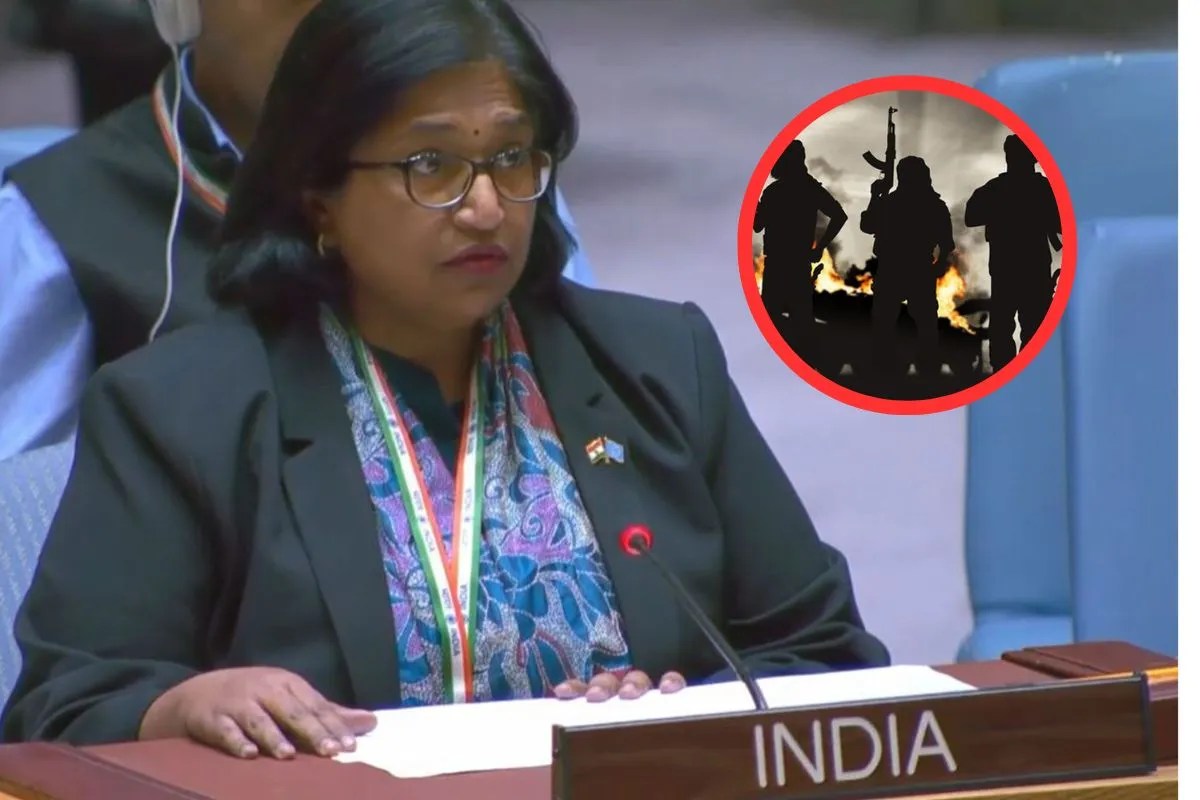
Cold marble echoes differently when the weight of decades hangs in the room. You stand inside the grand hall of the United Nations, where the polished surfaces reflect the harsh glare of television lights, but the real darkness sits quietly in the seating arrangements. For years, I have watched the diplomacy dance. It is a slow, agonizing waltz of cautious words and carefully calculated smiles. Yet, every once in a while, the music stops. Someone speaks the plain, unvarnished truth. India did just that at the UN, tearing through the diplomatic fog to corner Pakistan over a terrifying reality: the quiet, systematic whitewashing of wanted global terrorists.
Consider what happens when a name vanishes from a watchlist. To an office worker in New York, it is a keystroke. A minor database update. But to a family waking up to sirens in a contested border town, that deleted name is an open door. It is an invitation for ghosts to walk the streets again.
The Mechanics of Erasure
Bureaucracy kills with silence. When international bodies debate sanction lists, they often get bogged down in procedural red tape. Legal definitions blur. Technicalities multiply. India’s recent diplomatic onslaught at the UN shattered that comfortable abstraction. The core argument was brutally simple. How does a notorious architect of mass violence suddenly slip through the cracks of global counter-terrorism oversight?
Imagine a fictional bureaucrat, let us call him Tariq, sitting in a dimly lit office miles away from any explosion. Tariq has never smelled cordite. He has never held a grieving child. His entire universe consists of PDF files, legal exemptions, and diplomatic quid pro quo. To Tariq, a terrorist leader is just a line item requiring a motion, a second, and a vote. When political expediency takes the wheel, Tariq presses a button. The designation drops. The asset becomes a ghost with diplomatic immunity.
India exposed this dangerous game of administrative sleight of hand. The delegation pointed out a glaring truth. Protecting ideological proxies under the guise of diplomatic technicalities makes the entire global security architecture a theater of the absurd. You cannot preach peace while holding the umbrella for the storm.
When History Breathes Down Your Neck
Memory is heavy. I remember the paralyzing shock of past attacks, the way the air turns thick with disbelief after the sirens fade. These aren't historical footnotes for millions across South Asia; they are open scars.
Pakistan has long mastered the art of plausible deniability. Statecraft becomes a double-sided coin. On one side, representatives stand at international podiums wearing tailored suits, speaking the polished language of economic growth and regional stability. On the other side, shadow networks are nurtured, funded, and shielded from international justice.
When India confronted this duplicity at the UN, it wasn't just a political squabble between two neighbors. It was a moral indictment of a system that allows state-sponsored terror to find sanctuary behind sovereign borders. The arguments cut deep because they were anchored in verified reality. Financial trails, intercepted communications, and unredacted intelligence reports formed the backbone of New Delhi's offensive. You cannot argue with a ledger written in blood.
The Cost of Looking Away
Complacency is a quiet killer. The international community often prefers the quiet lie over the loud truth. Dealing with Pakistan's persistent sheltering of extremist factions requires difficult conversations, economic friction, and political willpower—three things international bodies historically lack in abundance.
Look closer at the mechanics of terror financing and protection. It relies entirely on the fatigue of the free world. The diplomats want to go home for dinner. The committees want consensus. In that fatigue, masterminds find their redemption. They wait out the news cycle. They rebrand. They let local proxies take the fall while the master architects slide into comfortable obscurity.
India's intervention at the global stage served as a jarring wake-up call. It forced the assembly to look in the mirror. If the United Nations cannot keep track of mass murderers because diplomatic bargains traded them away, then the entire architecture of global security is built on sand.
The speeches have ended. The transcripts are archived in digital vaults. But the shadows cast by those unaddressed loopholes remain right where they were, waiting for the next quiet night.