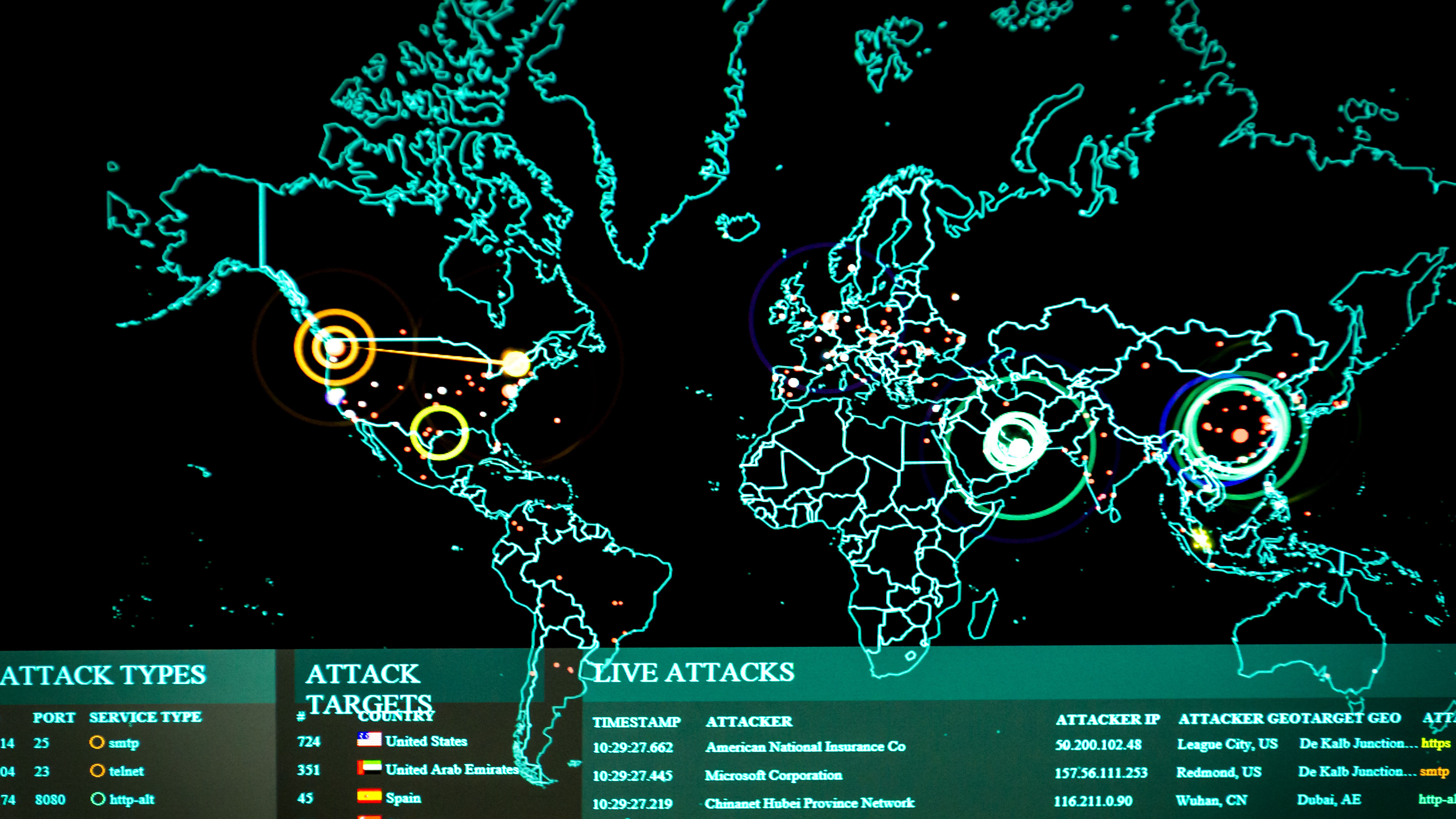
The coffee in my mug had gone cold an hour ago, but I hadn’t noticed. My eyes were locked on the monitor, watching a stream of data packets that looked like rain against a dark windowpane. I wasn’t looking at code. I was looking at the ghost of a national security infrastructure.
We often talk about cybersecurity as if it were a game of chess—two masters sitting across a board, calculating moves, anticipating strikes. But that metaphor is a lie. It is not a game of chess. It is a slow, grinding erosion, like a river carving through limestone.
When the rumors began circulating about Anthropic’s Mythos project, the professional chatter turned to fear. Was this an escalation? Was it a weapon? These questions, while valid, miss the point. They ignore the human fear that sits at the center of the screen.
Consider Sarah, a hypothetical systems analyst in a windowless office in Northern Virginia. She isn’t playing chess. She is trying to keep the lights on in a grid that is being pinged thousands of times a second by entities she can’t name, only track. When she hears whispers of a new, highly autonomous AI capability—something that can find a vulnerability before a human eye can even process the line of code—her stomach drops. It isn’t just about the technology. It is about the loss of agency.
The anxiety surrounding Mythos isn’t about the machine itself. It is about the realization that we are handing the keys to the kingdom to a system that moves faster than our ability to comprehend its intent.
If you have spent any time in the bowels of the defense industry, you know the feeling of the "zero-day" panic. It is a specific, cold sensation in the chest. It is the realization that a door you thought was locked has been wide open for months, and someone has been walking through it, rearranging the furniture, reading your mail, and leaving without a trace.
This is where the concern about China enters the equation. It isn’t because China is some monolithic, cartoonish villain. It is because the competitive pressure to stay ahead is so intense that we are rushing toward an automated arms race. We fear that if we don’t build the most aggressive, predictive, and autonomous tools, someone else will. And in the digital theater, second place is a hollow victory. It’s a loss.
But let’s be clear about what this means for the global balance.
When we talk about artificial intelligence in the context of state-sponsored cyber warfare, we are really talking about the automation of patience. Human hackers, no matter how skilled, have limits. They need to sleep. They make mistakes. They get bored. An autonomous agent driven by an architecture like Mythos does not sleep. It does not get bored. It does not have a moral crisis when it realizes it is compromising a hospital system or a power substation. It simply follows the objective function provided to it by its architect.
The fear, then, is that by normalizing these tools, we are effectively removing the human buffer that prevents a tactical error from turning into a global catastrophe.
I remember a briefing years ago where an engineer described a firewall breach. He didn't use technical jargon. He held up his hand and said, "Imagine you are building a castle, and suddenly, the wind itself starts looking for cracks in the stone. Not a battering ram, not a catapult. The wind." That is the nature of the current intelligence landscape. We are dealing with an invisible, omnipresent force that can be weaponized at the speed of thought.
The reports on Mythos suggest a capacity for advanced exploit generation. If that is true, we aren't just looking at better defense. We are looking at a fundamental shift in the cost-benefit analysis of global influence. If you can disable a competitor's communications infrastructure without firing a shot, without declaring war, and without leaving a fingerprint that points directly to your doorstep, do you?
The question isn't whether it’s ethical. The question is whether it's inevitable.
The international community is currently watching a slow-motion collision. On one side, we have the drive for technical superiority. On the other, we have the desperate, often disorganized attempt to set guardrails on technology that evolves faster than policy. The result is a profound, gnawing uncertainty. Every time a new model or capability is teased, the world holds its breath, wondering if this is the moment the glass finally shatters.
We are, in effect, trying to negotiate a peace treaty with a thunderstorm.
There is a strange, paradoxical beauty to it all. The very intelligence that we are afraid of is also the only thing capable of defending us against itself. We have built a mirror that reflects our own potential for destruction, and now we are staring at it, terrified by what we see.
The real danger of the current narrative surrounding cybersecurity isn't that we are worried. It's that we are worried about the wrong things. We focus on the "what." What will China do? What can Mythos achieve? We should be asking "who." Who defines the rules? Who takes the blame when an autonomous agent makes a choice that no human would have dared to make?
I keep thinking about those data packets on my screen. They were silent, indifferent, and utterly relentless. That is the reality of our future. We are building a world where the most significant events will happen in the dark, between machines, at a scale and speed that renders human intervention a relic of a quieter time.
The sun is coming up over the horizon now, washing out the blue light of my monitor. The city outside is waking up, unaware that the ground beneath it—the digital infrastructure that powers the trains, the banks, the hospitals—is constantly shifting, constantly being tested, and constantly on the verge of something we don't yet have the words to describe.
We are walking on a tightrope, and we have decided to stop looking down. But the rope is frayed. And the wind is starting to pick up.