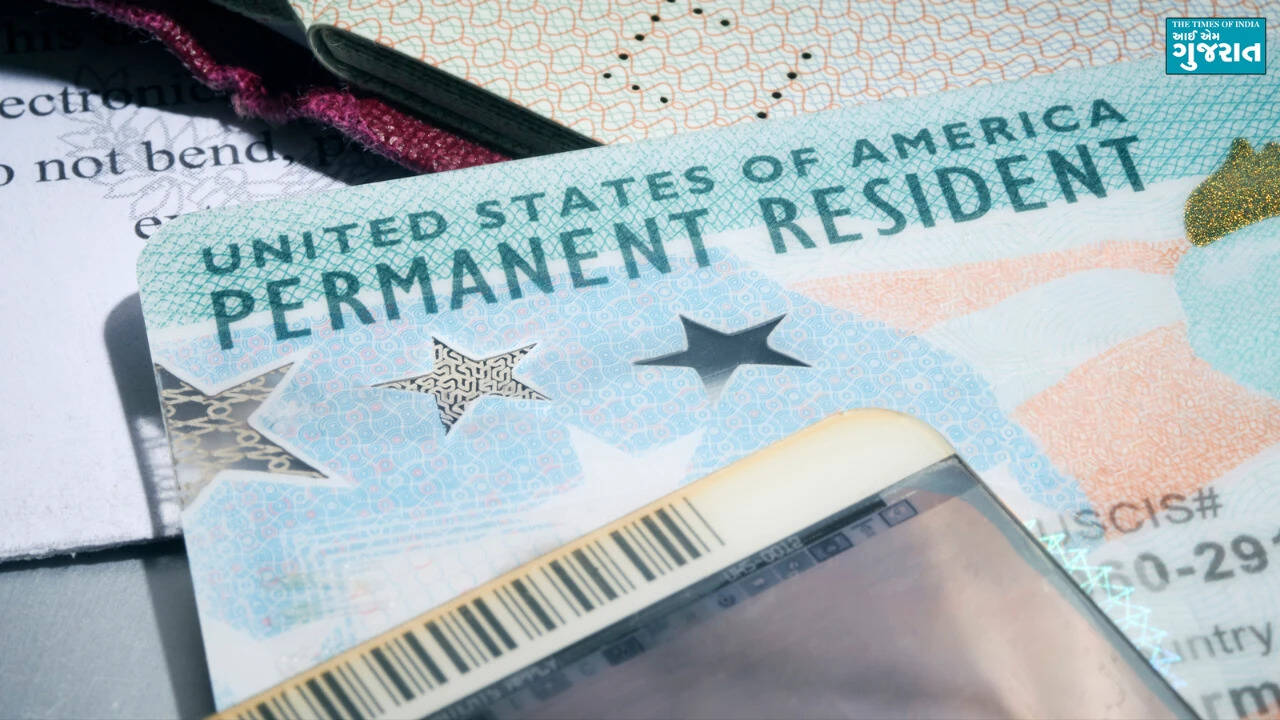
Judicial intervention in executive administrative policy creates an immediate expectation of operational reversal, yet the transition from a court order to active bureaucratic processing is governed by complex systemic friction. When federal courts issue injunctions or mandate the resumption of suspended immigration pipelines—such as the Diversity Visa lottery or consular processing restrictions affecting specific national jurisdictions—observers frequently misinterpret legal authorization as instantaneous mechanical execution. In practice, the federal immigration apparatus operates as a multi-tiered bureaucratic machine with distinct operational bottlenecks, resource constraints, and discretionary compliance timelines that prevent immediate normalization.
The core divergence between judicial intent and administrative reality stems from the structural separation of powers and the operational architecture of consular affairs. Courts possess the authority to vacate unlawful rules or compel agencies to process applications, but they do not manage foreign service staffing, electronic docket queues, or inter-agency security vetting protocols. Consequently, when a legal mandate orders the Department of State or U.S. Citizenship and Immigration Services to restart halted adjudications, the directive encounters a preexisting backlog coefficient that dictates throughput capacity. Understanding why visa pipelines remain stalled despite judicial orders requires an examination of the operational components governing administrative delays.
The Tripartite Architecture of Visa Adjudication Delay
The persistence of suspended immigration categories following judicial relief can be categorized into three primary structural friction points: resource allocation asymmetry, workflow recalibration latency, and inter-agency vetting dependencies.
Resource Allocation Asymmetry
Consular posts and domestic service centers operate under fixed budgetary and personnel constraints. Adjudicating a visa application is not a passive administrative checkbox; it requires dedicated consular officer hours, biometric collection, consular interview scheduling, and document verification. When admissions or specific visa categories are frozen by executive policy—such as regional travel restrictions or blanket suspensions affecting dozens of countries—agencies reallocate personnel to unaffected workflows or reduce consular staffing footprints abroad.
When a court subsequently invalidates the suspension, agencies cannot instantly scale human capital back to previous operational baselines. Training consular officers, reinstating physical interview slots, and processing pent-up demand require multi-week or multi-month ramp-up periods. The available processing capacity remains severely constrained relative to the aggregate volume of pending applications, creating an expanding backlog rather than an immediate clearance of cases.
Workflow Recalibration Latency
Federal agencies rely on complex electronic case management systems, such as the Consular Consolidated Database and the Global Case Management System, to route, track, and adjudicate petitions. When programs like the Diversity Visa lottery or regional visa pipelines are abruptly halted, IT systems are reconfigured to suspend automated selection notices, lock applicant profiles, or divert files into archival holds.
Lifting a suspension demands software patching, logic reprogramming, and database validation to ensure that newly processed applications comply with statutory caps and priority dates. This technological reconfiguration introduces significant latency. A court order issued on a given day must travel through Department of Justice civil division attorneys, agency general counsels, IT directorates, and field office supervisors before system algorithms are updated to permit active intake and adjudication.
Inter-agency Vetting Dependencies
Modern visa processing is deeply integrated with national security and intelligence infrastructure. Background checks, watchlist screenings, and administrative processing clearances involve continuous data exchanges between the Department of State, the Department of Homeland Security, the Federal Bureau of Investigation, and intelligence community databases.
When regional bans or systemic halts are lifted, individuals from affected jurisdictions do not automatically bypass security protocols. Instead, every pending file must re-enter the standard vetting queue. If security clearance protocols require updated name checks, local law enforcement reports, or consular interviews, the time required to complete individual adjudication scales exponentially with the number of affected applicants.
The Mechanical Reality of the Diversity Visa Lottery
The Diversity Visa lottery presents a unique structural vulnerability within the U.S. immigration framework due to its strict statutory expiration timelines. Unlike employment-based or family-sponsored visa categories that roll over unused allocations or permit multi-year processing windows, the Diversity Visa is bound by a rigid fiscal year constraint. Section 203(c) of the Immigration and Nationality Act mandates that all diversity visas for a given fiscal year must be issued by midnight on September 30 of that fiscal year. Once the clock strikes zero, the statutory authority to issue those visas expires permanently, regardless of judicial orders, injunctions, or administrative delays.
This legal inflexibility creates a zero-sum contest between calendar time and bureaucratic throughput. When litigation delays the selection, notification, or processing of diversity visa selectees—or when executive orders pause consular interviews for nationals of specific countries—the available window for adjudication shrinks. Even if a federal judge rules that the suspension was unlawful and orders the government to resume processing, the physical hours required to schedule interviews, conduct medical examinations, clear security checks, and print visas often exceed the remaining time in the fiscal year.
The mechanism of failure is temporal rather than purely legal. An agency can technically comply with a court order by reopening the application portal and scheduling interviews, but if the administrative pipeline cannot physically complete the volume of cases before the statutory deadline expires, the legal victory becomes operationally hollow. Applicants find themselves holding favorable judicial opinions while the statutory window closes, rendering the underlying visas legally unattainable.
Consular Processing Impediments Across Restricted Jurisdictions
The restriction of visa issuance for dozens of targeted countries introduces distinct regional operational challenges. When the executive branch implements blanket suspensions or heightened vetting standards for a specific cohort of nations—frequently numbering over seventy countries based on national security or public health justifications—embassies and consulates within those jurisdictions undergo severe operational contraction.
Local staff reductions, closure of immigrant visa processing units, and the redirection of consular resources to non-restricted services dismantle the local infrastructure required to handle high-volume immigrant applications. When courts intervene to halt these restrictions, the local infrastructure is rarely waiting in a state of readiness.
Local Infrastructure Deficits
Reopening consular processing in high-volume or politically sensitive foreign posts requires negotiating diplomatic clearances, securing physical facilities, and contracting local medical providers authorized to perform mandatory immigration medical examinations. In many of the targeted countries, third-party panel physicians who conduct these medical exams must be re-credentialed or scaled up to meet demand. Without approved medical certifications, completed visa applications cannot be finalized, creating an artificial choke point even if consular officers are sitting at their desks.
The Interview Scheduling Queue
Immigrant visa processing relies on an automated scheduling system managed by Department of State contractors. When thousands of cases are backlogged due to suspended processing, the scheduling algorithm must prioritize cases based on statutory preferences, priority dates, and local post capacity. Introducing previously suspended applicant pools into these queues disrupts existing schedules. Consular managers face a logistical dilemma: clear the existing backlog of non-restricted applicants or interleave the newly unblocked applicants from the restricted country list. Without a massive injection of temporary adjudicative resources, the system absorbs the new caseload without accelerating overall output.
The Economic and Legal Strategy Implications
For immigration practitioners, corporate employers, and individual applicants, recognizing the mechanical limits of judicial orders is essential for strategic planning. Relying on a favorable court ruling as an immediate operational guarantee leads to severe miscalculations in workforce deployment, family reunification timelines, and capital allocation.
Shifting From Legal Challenges to Mandamus Actions
When agencies fail to resume processing within a reasonable timeframe following a court order, litigants frequently transition from broad declaratory judgments to individual or class-action writs of mandamus under the Administrative Procedure Act. A mandamus action compels an agency to perform a non-discretionary duty—such as adjudicating a pending visa application—without dictating the ultimate outcome. However, courts are generally reluctant to issue mandamus orders when agencies demonstrate systemic resource shortages and adherence to a first-in, first-out processing queue. The judiciary recognizes that judicial fiat cannot manufacture personnel or bypass security clearances.
Managing Applicant Expectations Under Uncertainty
Practitioners must counsel clients to distinguish between legal de-prohibition and operational readiness. When an executive policy or regional ban is struck down, the legal barrier is removed, but the operational friction remains at maximum intensity. Strategic preparation requires maintaining updated document packages—such as police certificates, financial affidavits, and medical exams—so that when an appointment slot finally opens, the application can be approved on the spot without triggering requests for evidence that restart the clock.
The gap between judicial edict and bureaucratic execution highlights the structural limits of legal remedies within complex administrative states. Courts can halt unlawful policy, but they cannot re-engineer the logistical pipelines of global consular affairs. True normalization of immigration flows requires synchronized alignment between judicial mandates, executive resource allocation, and agency technological modernization. Until those elements converge, court victories will continue to run up against the hard physical limits of administrative throughput.
Strategic Operational Playbook
- Audit Processing Pipelines: Dissect pending applications into discrete operational stages—document intake, security vetting, interview scheduling, and final issuance—to identify which specific agency bottleneck is causing delays.
- Monitor Consular Post Capacity: Track local embassy staffing levels, appointment availability metrics, and panel physician backlogs rather than relying solely on federal policy announcements.
- Preserve Supporting Documentation Validity: Ensure time-sensitive documents such as medical examinations and police clearances are monitored for expiration to prevent administrative re-filing delays once processing resumes.
- Deploy Targeted Mandamus Actions: Reserve federal court intervention for cases where administrative delay exceeds standard processing thresholds and agency inaction violates clear statutory timelines.