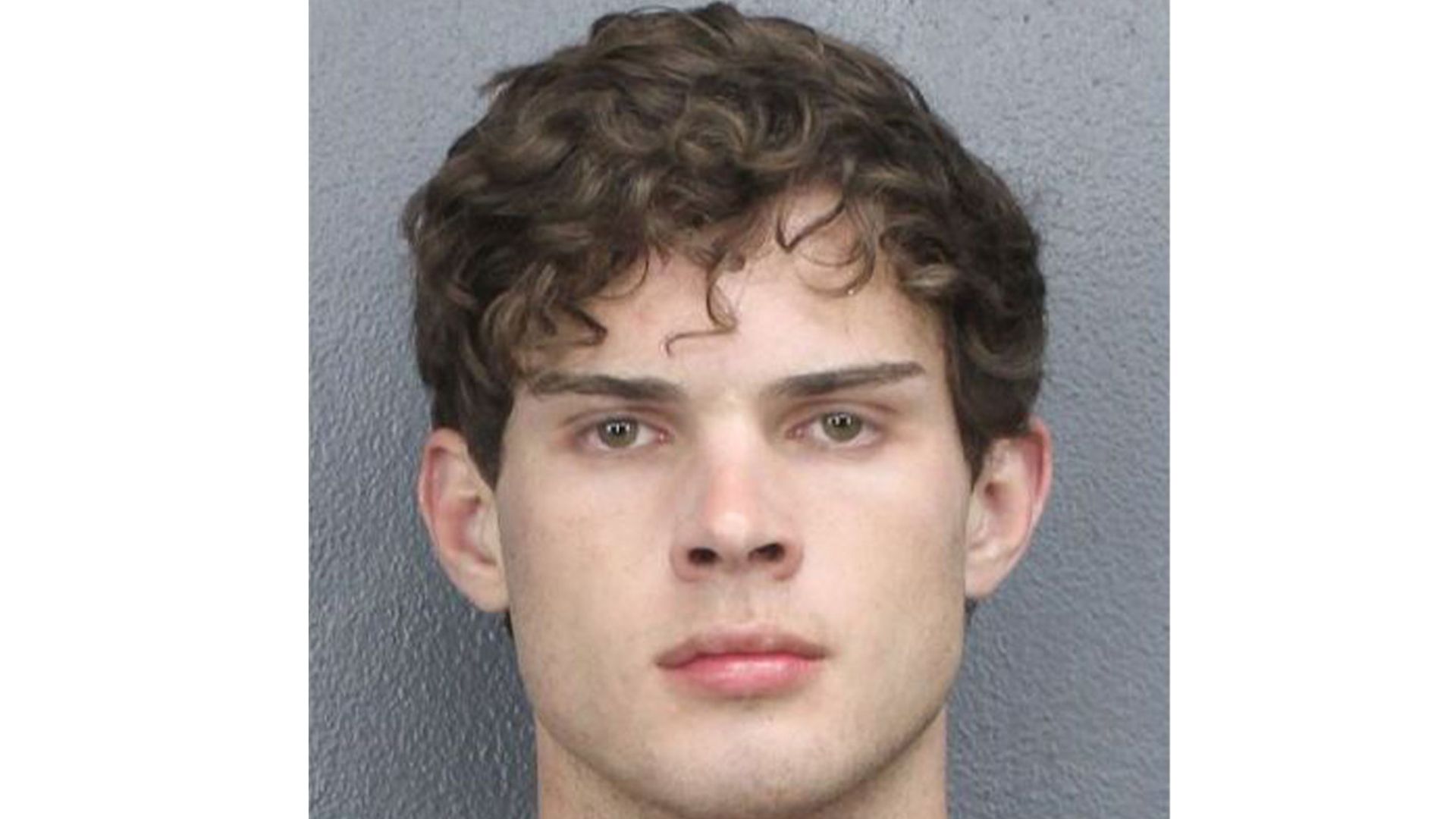
The internet loves an online personality until the mask slips. When court records revealed that Braden Peters—better known online as the "looksmaxxing" influencer Clavicular—faced felony charges including rape and drugging a 17-year-old, it shocked the digital ecosystem. But maybe it shouldn't have. We have built an ecosystem that rewards toxicity, elevates fringe subcultures, and gives young creators unchecked digital power without any real-world accountability.
Let's look at what actually happened, why digital subcultures are breeding grounds for this behavior, and why our current internet culture needs a radical wake-up call. Building on this idea, you can find more in: Why Blaming the State Alone Hides the Real Crisis Behind Nicaragua Prison Deaths.
Inside the Charges Against Braden Peters
Court documents filed in Massachusetts laid out a deeply disturbing timeline. According to investigators, the alleged offenses took place on May 23, 2025, at a family home in Chatham, Massachusetts. Peters, who was 20 years old at the time of the filing, faced a criminal complaint including one count of rape, administering a substance for sexual intercourse, and providing alcohol to a minor.
Reports detailed that the victim had been drinking during a livestream setup before the alleged assault occurred while she was incapacitated. Legal teams for Peters have pushed back, maintaining his innocence and claiming the accusations are part of a retaliatory effort following a civil dispute. Yet, the clerk-magistrate found probable cause on multiple felony counts, pushing the case forward into the judicial system. Observers at NBC News have also weighed in on this trend.
This isn't just about one isolated legal battle. It is a symptom of a much larger rot within niche internet influencer circles.
How Looksmaxxing Culture Builds Toxic Echo Chambers
To understand how someone like Clavicular built an audience, you have to look at the communities he catered to. The "looksmaxxing" and manosphere subcultures online thrive on insecurity, extreme physical obsession, and an adversarial view of relationships. Creators in these spaces often monetize outrage, misogyny, and bizarre pseudo-scientific self-improvement tips.
When you spend all day telling young men that they are superior, that standard rules do not apply to them, and that social interactions are a battlefield, you create monsters. Digital echo chambers insulate influencers from reality. They live in a bubble where chat rooms praise their every move, moderators delete dissenting voices, and real-world consequences feel entirely detached from online actions.
Fans often excuse toxic behavior as "irony" or "trolling." But online trolling frequently bleeds into offline harm. When internet personas cross the line into criminal behavior, the digital enablers usually double down, attacking victims and crying conspiracy. We saw this playbook run immediately after the charges went public.
The Accountability Gap in Modern Media
Traditional celebrities face strict agency oversight, public relations firewalls, and immediate blacklisting when major allegations surface. Digital creators operate differently. They build direct-to-consumer pipelines through platforms like Twitch, Kick, and Telegram. There are no HR departments, no studio executives, and minimal moderation oversight until law enforcement steps in.
Platforms are quick to ban accounts after a PR disaster, but they rarely take proactive measures to dismantle the toxic communities that breed predatory behavior in the first place. Algorithms reward shock value. Extreme opinions drive engagement, and engagement drives ad revenue. As long as platforms profit from toxic attention, influencers will continue to push boundaries—sometimes straight into criminal territory.
Where the Industry Goes From Here
You cannot fix this problem by waiting for the next scandal to break. Viewers, sponsors, and streaming platforms need to change how they interact with micro-celebrities.
First, stop treating online personalities like infallible idols. The parasocial bond makes young fans blind to red flags. If an influencer treats people poorly on stream or promotes abusive ideologies, stop watching. Stop funding their lifestyle through subscriptions and merch.
Second, platforms must be held accountable for hosting ecosystems that facilitate exploitation. When creators use their reach to isolate young or vulnerable individuals, streaming networks need immediate safety interventions rather than waiting for court summonses.
The legal system will handle the specifics of the Clavicular case, but the broader cultural sickness remains yours and mine to fight. Pay attention to the red flags. Protect the people in your community, and stop giving oxygen to creators who build their entire brand on cruelty.