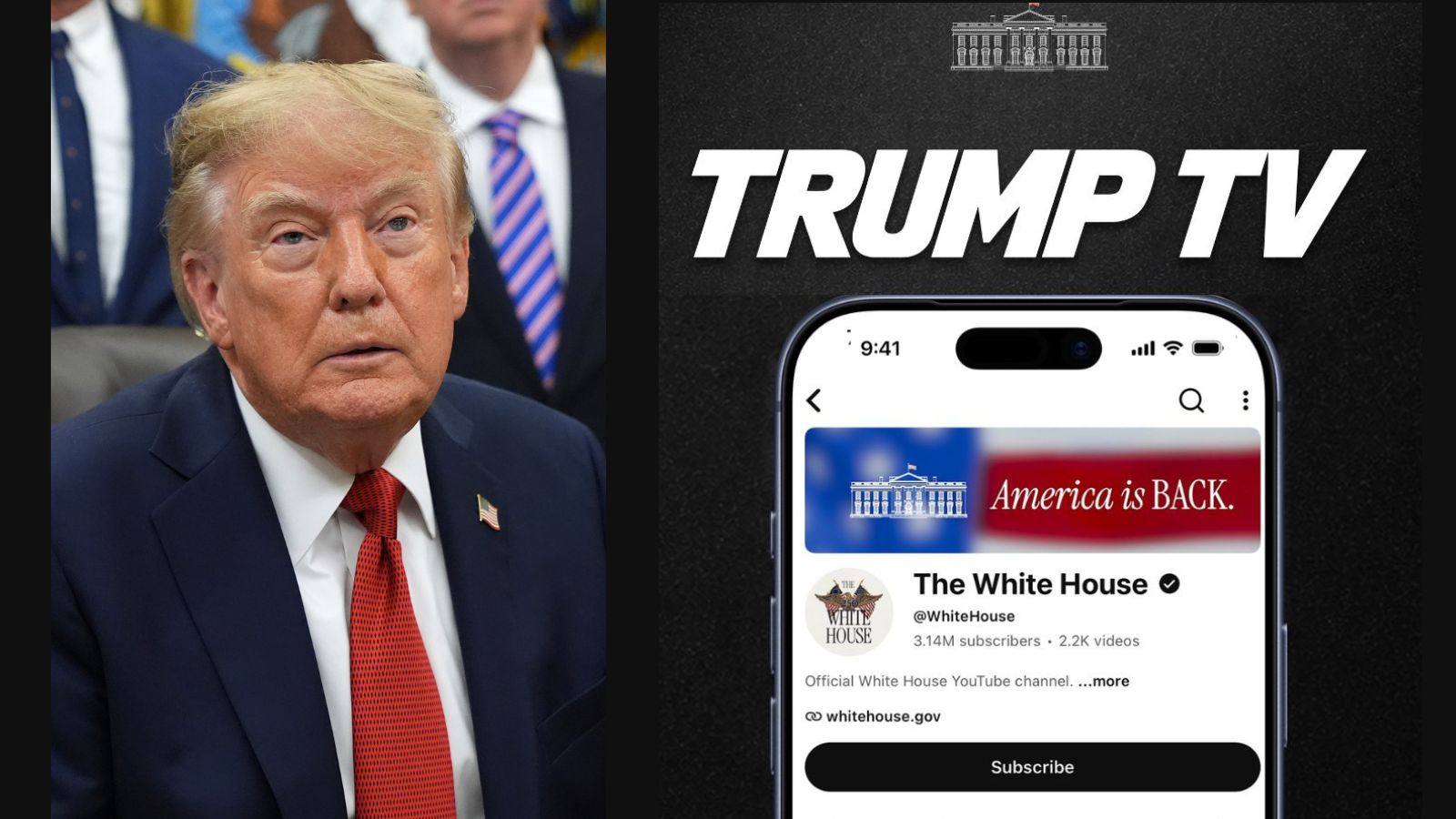
When the executive mansion slammed its heavy oak doors shut on reporters from CNN, MS NOW, and Politico, it did not merely signal another bitter chapter in an ongoing political grudge match. It marked the formal execution of an authoritarian media strategy. Simultaneously rolling out a round-the-clock streaming service branded as Trump TV on YouTube, the administration bypassed independent journalistic scrutiny entirely. This dual maneuver—banning independent outlets from physical briefings while flooding digital channels with curated state-produced broadcasts—represents a profound rupture in American political communication. The fourth estate is no longer just adversarial; it is being actively replaced by proprietary propaganda.
The mechanics of this exclusion deserve careful dissection. Historically, the White House press briefing room functioned as an institutional battleground. Combative exchanges between reporters and press secretaries were messy, often repetitive, but fundamentally necessary. They forced accountability. When the administration barred specific journalists from the grounds, seizing press credentials and freezing out major news organizations, it discarded the pretense of pluralistic access.
The collective response from the remaining networks was telling. Rather than capitulating, major television news organizations briefly suspended pool coverage to protest the exclusion. Yet the administration anticipated this friction. They understood that traditional television ratings matter far less in the digital era than direct audience capture on video platforms. By pivoting instantly to an owned-and-operated digital channel, the executive branch realized a long-held ambition of modern political operatives: absolute narrative control without editorial friction.
Consider how the new platform operates. Trump TV functions as a continuous digital loop of presidential speeches, rally highlights, and heavily edited administration updates. There are no reporters shouting tough questions from the second row. There are no immediate fact-checks broadcast in real-time split screens. There is only the uninterrupted voice of power speaking directly to its base.
This model borrows heavily from corporate direct-to-consumer strategies. Traditional media companies spent decades building subscription apps to cut out middlemen. The executive branch has now applied that exact logic to governance. Why tolerate a hostile reporter from Politico asking uncomfortable questions about policy failures or legal battles when you can stream your own sanitized feed directly to millions of smartphones?
The financial and structural implications stretch far beyond Washington. Political campaigns have always used video to shape public opinion, but institutionalizing a 24-hour government-backed streaming network blurs the line between public infrastructure and partisan promotion. Taxpayer-funded resources support the very video feeds, camera crews, and digital distribution networks that feed Trump TV. When government channels morph into partisan mouthpieces, the distinction between state institutions and political machines evaporates.
Critics from both sides of the aisle have pointed out the obvious autocracy of the move. Yet labeling the platform as mere propaganda understates its tactical effectiveness. Millions of disaffected voters distrust mainstream networks completely. They view outlets like CNN or the New York Times as partisan actors working to subvert conservative policy. For these audiences, Trump TV is not state-run propaganda; it is a liberating alternative. It is an antidote to what they perceive as institutional bias.
This deep ideological polarization explains why traditional media blackouts and lawsuits fail to dent the administration's momentum. When federal judges rule certain press bans unconstitutional, the administration treats the judicial setback as fuel for its populist narrative, framing the judiciary and the press as an unholy alliance trying to silence the executive branch. The legal battles drag on for months, while the digital broadcasts continue uninterrupted.
Look at the broader historical trajectory. Every modern presidency has sought to bypass traditional journalism. Richard Nixon complained bitterly about the elite press corps and dreamed of alternative channels. Bill Clinton pioneered satellite interviews with local anchors to circumvent national reporters. Barack Obama utilized Medium and direct-to-camera YouTube addresses to define his own stories. Donald Trump has taken this evolutionary line to its logical extreme. He has replaced circumvention with total replacement.
The danger lies in what gets lost in the dark. When independent reporters are locked outside the gates, vital administrative actions escape immediate scrutiny. Complex policy decisions regarding federal regulations, economic interventions, and foreign policy receive zero aggressive pushback during their initial rollout. The public receives only the official highlight reel. By the time independent journalists piece together the hidden consequences of a policy, the political narrative is already cemented in the public consciousness.
As federal courts weigh the legality of press restrictions and media conglomerates ponder their next defensive moves, the information ecosystem hardens into two separate realities. One reality is scrutinized, flawed, and occasionally hostile. The other reality streams twenty-four hours a day, perfectly polished, entirely unquestioned, and completely insulated from the truth.
White House Trump TV Launch Coverage
This video provides direct footage of the White House streaming platform rollout following the unprecedented press restriction decisions.