The global press corps loves a predictable narrative, and the retrospectives on Sheikh Hamad bin Khalifa Al Thani prove it. They will spin a neat, comfortable tale about a visionary monarch who transformed a sleepy Gulf peninsula into a global economic titan through liquefied natural gas and soft power.
They are wrong. They are misreading history.
What happened in Qatar over the last three decades was not a masterclass in sustainable state-building. It was a high-risk, hyper-leveraged corporate buyout of national security. The Father Amir did not build a resilient modern nation. He constructed a gilded geopolitical hedge fund that is fundamentally fragile, permanently dependent on external validation, and structurally incapable of surviving without constant, aggressive financial intervention.
The lazy consensus praises the sheer volume of Qatari wealth. The sharper reality is that this wealth was weaponized in a way that bought temporary relevance at the cost of long-term stability.
The Illusion of Soft Power
Mainstream analysts point to Al Jazeera, the Paris Saint-Germain acquisition, and the 2022 World Cup as triumphs of diplomatic strategy. They call it soft power.
It is time to look at the ledger clearly. Real soft power inspires alignment. It builds cultural capital that makes adversaries hesitate and allies mobilize out of genuine shared values. Qatar bought visibility, not loyalty.
I have watched Western institutions accept billions in Qatari funding for universities, think tanks, and real estate developments. The assumption was always that these investments bought permanent insurance policies in Washington, London, and Paris.
They did not. When the blockade hit in 2017, those billions did not buy immediate, unyielding military or diplomatic intervention from Western capitals. Instead, Doha discovered that the international community treats a hyper-wealthy micro-state exactly like a prime brokerage treats a high-net-worth client: valued until the margin call becomes too expensive.
The strategy of buying everyone off created a profound paradox. By funding both Western military bases and Islamist movements, by hosting Hamas political offices while maintaining backchannel communications with Israel, the regime did not achieve neutrality. It achieved universal suspicion. You cannot play every side of a regional proxy war and call it diplomacy. It is a mathematical certainty that eventually, the contradictions will collapse the structure.
The LNG Trap and Structural Fragility
The economic narrative is equally flawed. The conventional wisdom states that tapping the North Field and pioneering LNG technology secured Qatar's future forever.
Statistically, the numbers look unbeatable. The country boasts one of the highest GDP per capita rates in the world. But GDP per capita is a useless metric when applied to a rentier economy where citizens comprise a tiny fraction of the population.
The economic architecture established during the Father Amir's reign is a monoculture wrapped in a luxury veneer.
- Complete Resource Dependence: Strip away the sovereign wealth fund's global equity portfolio, and the entire domestic economy rests on a single commodity vulnerable to global energy transitions and regional shipping bottlenecks.
- The Demography Time Bomb: The reliance on an imported, disenfranchised labor force to build and maintain the state creates a stark internal divide. A society where citizens are a minority insulated from market realities by state handouts cannot develop a genuine domestic private sector.
- The Sovereign Wealth Mirage: The Qatar Investment Authority owns iconic assets worldwide. Yet, these trophy assets—Harrods, stakes in Volkswagen, prime London real estate—are highly illiquid during a global systemic crisis. They provide prestige, not immediate operational resilience.
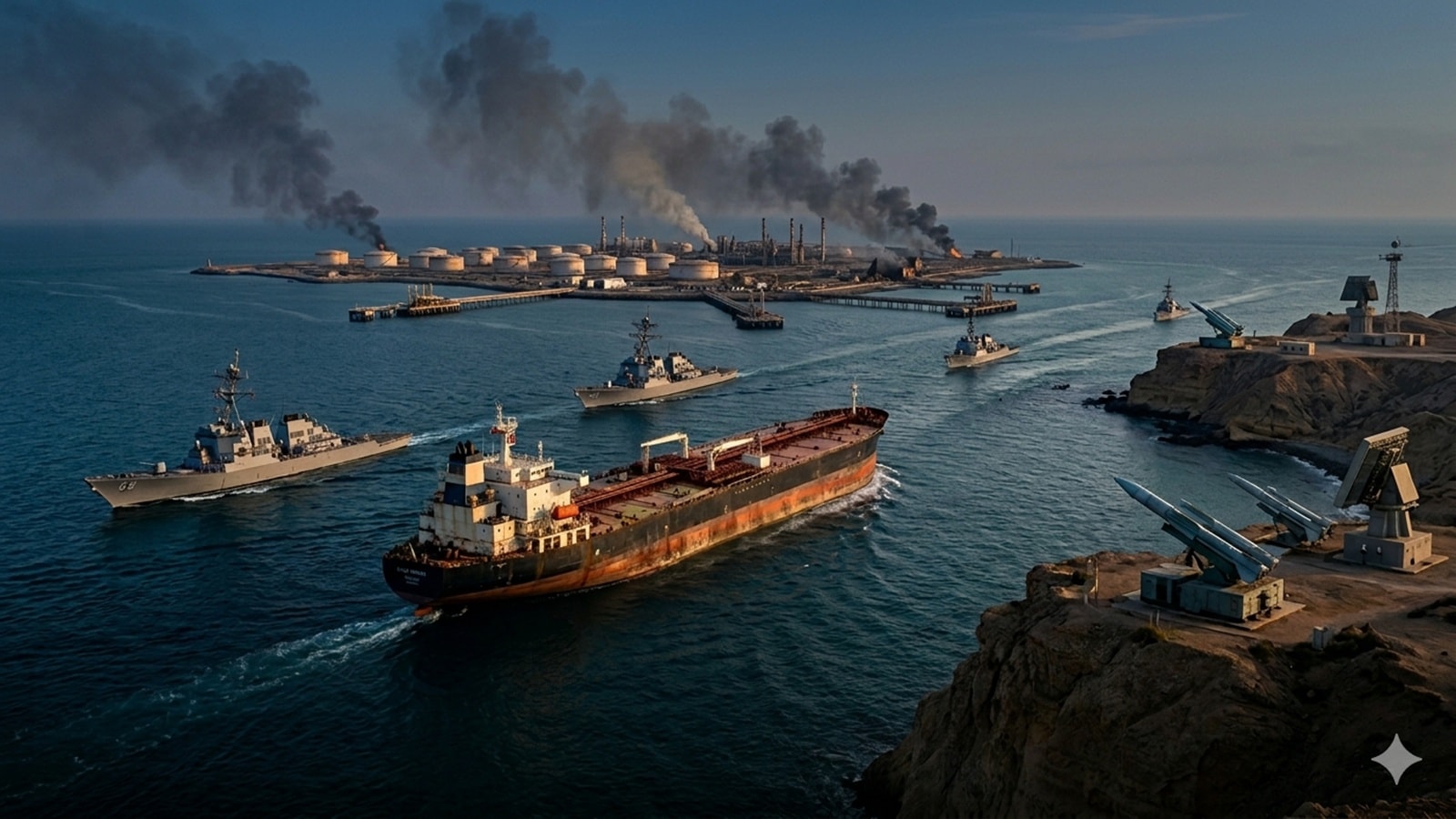
Imagine a scenario where the Strait of Hormuz is closed for an extended period, or global LNG supply gluts persist for a decade. The domestic infrastructure, built at exorbitant cost, turns instantly into a liability. The flashy skyscrapers and massive stadiums require astronomical upkeep costs that a declining gas market cannot sustain.
Dismantling the PAA Narrative
When people look at the transition of power in 2013, when Sheikh Hamad handed the reins to his son Sheikh Tamim, the standard question asked is: "How did Qatar achieve such a smooth, peaceful transition of power in an unstable region?"
The premise of the question is completely flawed. It assumes the transition was an act of enlightened statesmanship.
In reality, the 2013 abdication was a tactical retreat forced by geopolitical overreach. The Father Amir’s aggressive backing of the Arab Spring uprisings—particularly in Egypt and Syria—had backfired spectacularly. The region was pushing back. Saudi Arabia and the UAE were furious. The brand was toxic.
The transition was not a peaceful evolution; it was a rebranding exercise. The older generation stepped aside to lower the temperature and shield the state from the consequences of its own hyper-interventionist foreign policy. It was a corporate restructuring where the CEO steps down to appease angry shareholders and stave off a hostile takeover.
Another common question: "Did the hyper-development model create a blueprint for other small states?"
Absolutely not. The Qatari model is an anomaly that cannot be replicated, nor should it be. It relies on a hyper-specific geographical accident—sitting on the world's largest non-associated gas field—combined with an absolute monarchy that faces zero domestic political accountability. To call this a blueprint for development is like telling an entrepreneur that the best business strategy is to win the lottery twice.
The True Cost of the Legacy
The real critique of this era is not that it failed to generate wealth, but that it failed to build a self-sustaining society.
The domestic population was effectively neutralized with wealth. When the state provides guaranteed government jobs, free education, free healthcare, and subsidized housing to every citizen, it does not build a productive workforce. It builds a rentier class. The local talent pool was systematically insulated from competition, while foreign technocrats were imported to run the actual machinery of the state.
This creates an existential risk. True national security does not come from a US military base or a portfolio of European commercial real estate. It comes from domestic institutional capacity. By prioritizing rapid, flashy external growth over slow, foundational internal development, the regime built a castle on sand.
The downsides of this contrarian view are obvious: it ignores the genuine pride that many citizens feel about their country’s global profile. It overlooks the sheer administrative efficiency required to execute projects like the North Field expansion. But looking past the glitter is necessary to see the structural fractures underneath.
The era of hyper-wealth and consequence-free geopolitical gambling is over. The global energy market is shifting, regional alliances are hardening, and the old playbook of buying your way out of trouble no longer works. The legacy left behind is not a blueprint for the future; it is a monument to an era of unrepeatable luck. Treat it as a cautionary tale of what happens when a state confuses financial leverage with actual geopolitical power.