The fluorescent hum of a drive-thru lane at 1:14 AM carries a specific kind of desperation. You are tired. Your hands smell vaguely of steering wheel vinyl and gasoline, and all you want in the world is three dollars worth of seasoned beef, shredded iceberg lettuce, and warm cheddar folded into a steamed flour tortilla.
Trust.
That is what you are actually buying when you roll down your window and speak into a static-filled speaker box. You are trusting that the teenager behind the glass washed their hands, that the walk-in cooler stayed below forty degrees, and that the crisp, green ribbon of romaine sitting atop your taco did not arrive from a farm in central Mexico carrying an invisible hitchhiker capable of hijacking your digestive tract for six weeks.
In the summer of 2013, that quiet pact broke across the American Midwest.
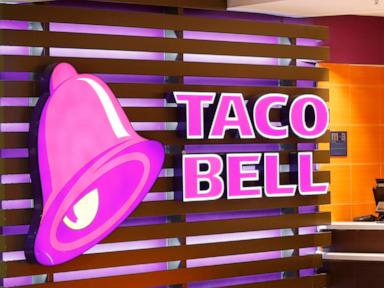
It did not break with the explosive, immediate violence of salmonella or E. coli. It broke slowly. Insidiously. By the time state health officials in Iowa and Nebraska realized people were falling violently ill, the culprit—a microscopic, single-celled parasite named Cyclospora cayetanensis—had already quietly worked its way through hundreds of kitchens, salads, and drive-thru bags. Over six hundred people across twenty-five states were sickened. Hospitalizations climbed. Headlines began naming names, and among the brands caught in the epidemiological crosshairs was the undisputed king of late-night cravings: Taco Bell.
Standard financial reports tell this story in sterile, bloodless numbers. They will tell you that same-store sales dipped. They will note that quarterly earnings felt a mild chill before rebounding cleanly by the autumn. If you read a typical corporate post-mortem, you would think the whole affair was little more than a minor statistical hiccup on a Wall Street spreadsheet.
Those reports miss the entire point.