Crude oil markets operate through a dual transmission mechanism where geopolitical friction directly competes with macroeconomic demand signals to determine the daily settlement price. When geopolitical risk premiums contract due to diplomatic interventions, they immediately collide with physical supply vulnerabilities, creating acute pricing inefficiencies.
Market observers frequently misattribute price movements to single headline events. A comprehensive evaluation requires separating sentiment-driven volatility from structural supply adjustments. The intersection of diplomatic negotiations in the Middle East and targeted physical infrastructure disruptions—such as maritime attacks on energy logistics—establishes a volatile trading band defined by two competing economic forces: risk premium compression and physical capacity constraints.
The Dual-Driver Pricing Model
Crude futures do not price headline news directly; they price the probability distribution of future barrel availability. The market mechanism relies on two distinct variables operating simultaneously.
Geopolitical Sentiment ---> Risk Premium Adjustment ---> Near-Term Price Vector
Physical Logistics Shock ---> Flow Disruption Cost ---> Structural Supply Floor
Diplomatic breakthroughs generate immediate downward pressure on futures contracts through risk premium evaporation. Traders unwind speculative long positions when the perceived probability of a supply choke point closing diminishes. However, simultaneous physical events—such as kinetic strikes on maritime transport or production infrastructure—impose an immediate logistical penalty.
The net price movement represents the vector sum of these opposing forces. When a diplomatic headline emerges alongside an active kinetic attack on a strategic asset, the market experiences severe intraday volatility. The former compresses valuations, while the latter enforces a risk floor, preventing disorderly liquidations.
Geopolitical Sentiment and Risk Premium Decay
The risk premium embedded in Brent and West Texas Intermediate contracts is a function of potential supply loss multiplied by the probability of occurrence. Diplomatic initiatives targeting Middle East conflict resolution act as probability-reduction mechanisms.
When peace talks advance, market participants reprice the tail risk of regional escalation. This adjustment manifests rapidly because speculative capital moves faster than physical crude flows. Financial traders reduce their net-long exposure, flattening the forward curve and narrowing prompt-month time spreads.
This dynamic exposes a structural vulnerability in market pricing. Financial participants often react to the narrative of diplomacy rather than its operational reality. A framework agreement or a ceasefire declaration alters trading sentiment long before inspectors verify pipeline security or maritime transit lanes reopen. Consequently, price contractions driven purely by diplomatic announcements are frequently vulnerable to sudden reversals if physical security metrics fail to improve.
Physical Supply Vulnerabilities and Logistics Friction
While sentiment dictates financial positioning, physical realities dictate the absolute supply ceiling. Maritime choke points, such as the Bab el-Mandeb strait and the Strait of Hormuz, concentrate global energy transit into narrow geographic corridors.
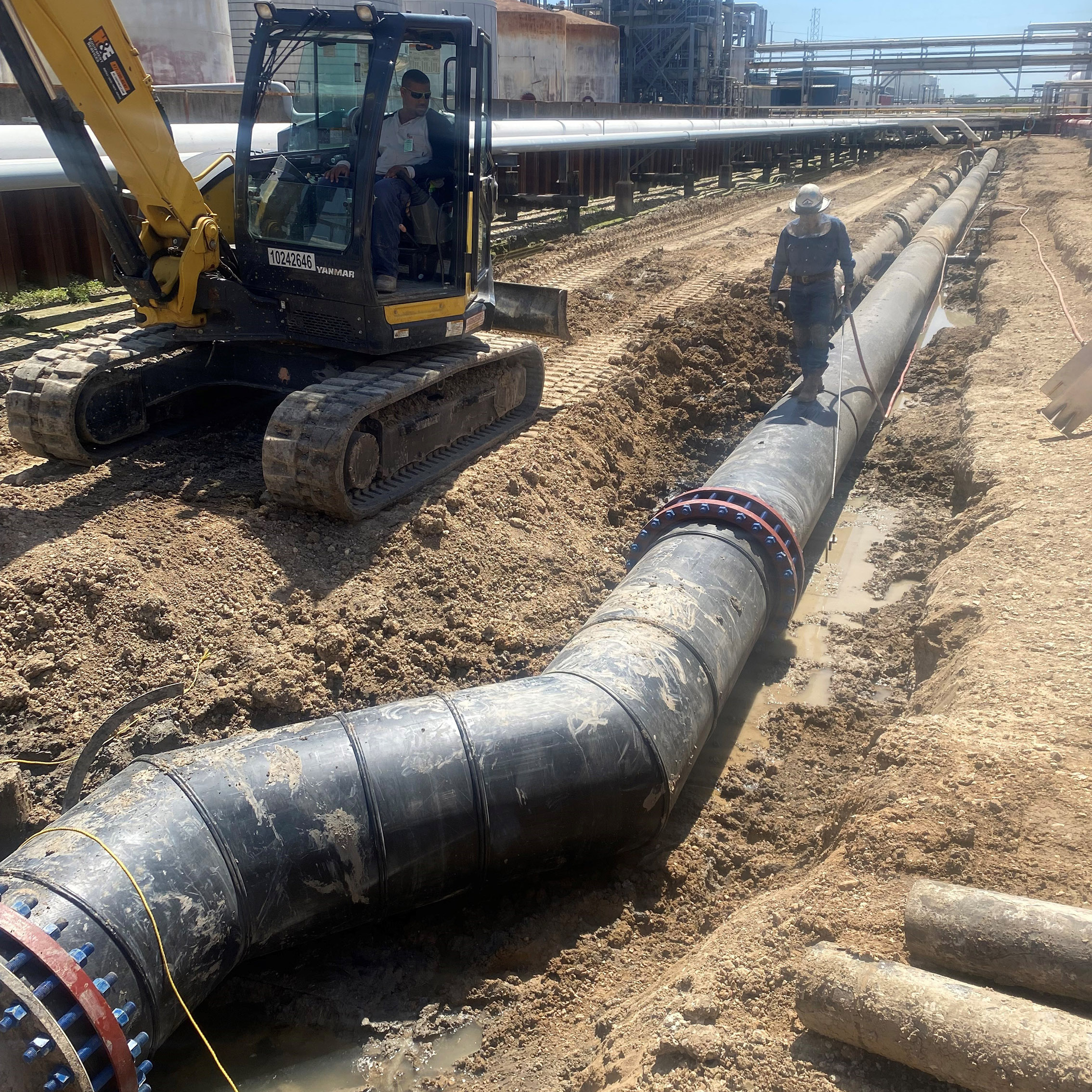
When state-aligned or non-state actors execute kinetic operations against oil tankers or processing facilities, the economic impact extends beyond the immediate loss of barrels. The transmission channels include:
- Rerouting Costs: Tankers forced to circumnavigate the African continent rather than transit the Red Sea and Suez Canal incur higher fuel expenditures, extended transit times, and constrained global vessel availability.
- Insurance and Freight Premiurs: Underwriters immediately reprice war-risk insurance for vessels operating in contested zones, raising the landed cost of crude regardless of the underlying commodity price.
- Terminal Bottlenecks: Storage and offloading infrastructure at alternative export nodes face utilization spikes, creating local demurrage charges and temporary loading delays.
These frictions alter the cost function of delivered crude. Even if global daily production remains nominally unchanged, the marginal barrel becomes more expensive to transport and secure. This dynamic explains why crude benchmarks frequently stabilize or rebound even amidst seemingly positive diplomatic developments.
Macroeconomic Demand Constraints
Geopolitical supply shocks do not occur in an economic vacuum. The pricing power of supply-side disruptions is fundamentally bounded by global macroeconomic demand velocity.
Industrial consumption across major economies dictates the baseline requirement for liquid fuels. When manufacturing purchasing managers' indices contract or central banks maintain restrictive monetary policy, the sensitivity of oil prices to supply shocks diminishes. High interest rates increase the carrying cost of physical inventories, discouraging commercial stockbuilding and forcing refiners to operate on lean, just-in-time supply chains.
In a constrained demand environment, market participants view supply disruptions as temporary aberrations rather than existential shortages. Conversely, during periods of robust industrial expansion, any marginal loss of throughput triggers aggressive bullish positioning.
Market Structure and Liquidity Dynamics
The interaction between financial positioning and physical supply is mediated by derivative market structures. Futures exchanges aggregate millions of hedging and speculative decisions, translating complex risk variables into a single settlement price.
Managed money accounts—including hedge funds and commodity trading advisors—often drive short-term price velocity through momentum-based strategies. When diplomatic headlines trigger a technical breakdown below key moving averages, algorithmic selling accelerates the downward move, independent of physical market fundamentals.
Physical traders, conversely, monitor prompt-month calendar spreads and physical diffs to gauge actual market tightness. Backwardation—where prompt contracts trade at a premium to deferred months—signals immediate physical scarcity, overriding paper market sentiment. When geopolitical headlines spark sell-offs that contradict backwardated physical spreads, savvy commercial entities use the dip to lock in physical supply, establishing an execution floor that traps speculative short sellers.
Strategic Execution Framework
Navigating crude oil volatility requires parsing the noise of daily news cycles from structural supply-demand fundamentals. Market participants must monitor specific, verifiable metrics rather than relying on qualitative diplomatic assessments.
Track the prompt-to-three-month calendar spread to determine whether financial liquidations match physical market realities. If prices drop on peace optimism while backwardation widens or remains steep, the physical market is signaling underlying tightness that will eventually force a price recovery.
Audit maritime transit telemetry and war-risk insurance indices to quantify logistics friction independently of mainstream reporting. When transit times extend across critical trade lanes, the effective global supply of crude contracts, insulation from geopolitical headlines notwithstanding.
Isolate net speculative positioning reports from commercial hedging data. A market heavily dominated by leveraged long liquidations following a geopolitical headline creates asymmetric risk-reward setups for accumulation, provided physical inventory draws continue in major hubs.
Position portfolios based on the delta between diplomatic rhetoric and logistical reality. When political actors signal resolution without verifiable security guarantees for maritime logistics, maintain tactical hedges against sudden supply shocks. The market ultimately prices reality, not intent.