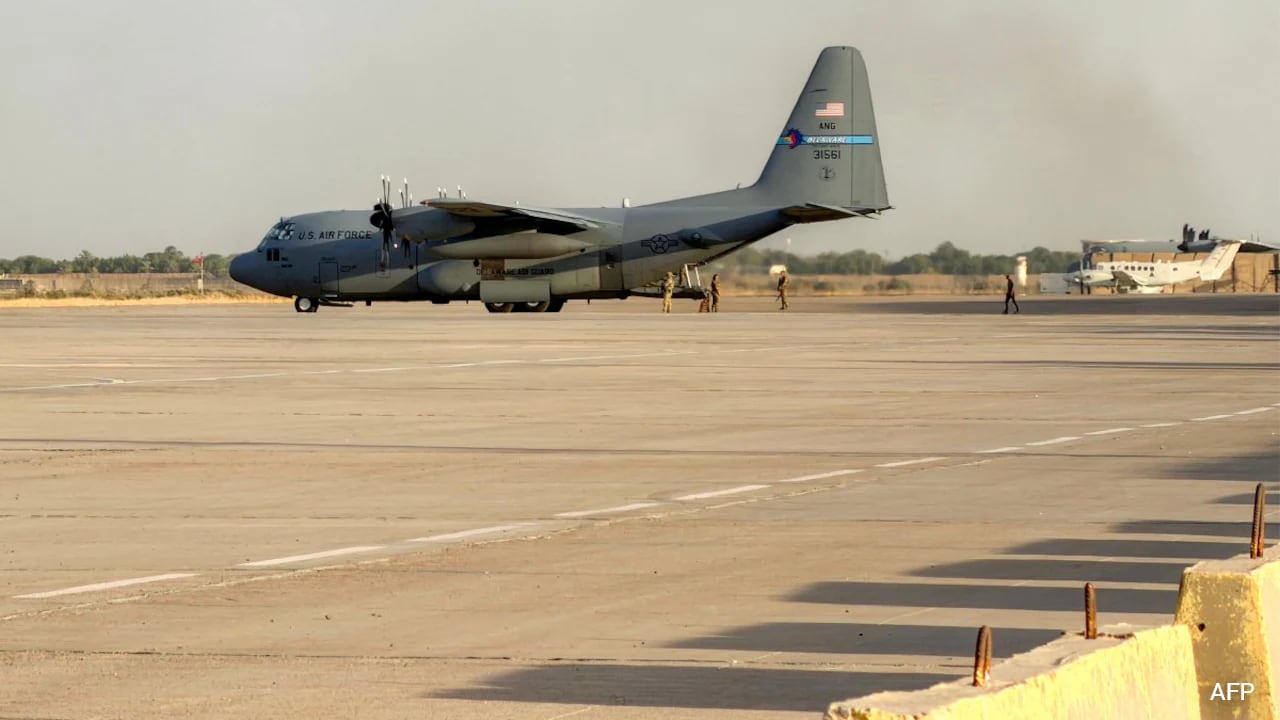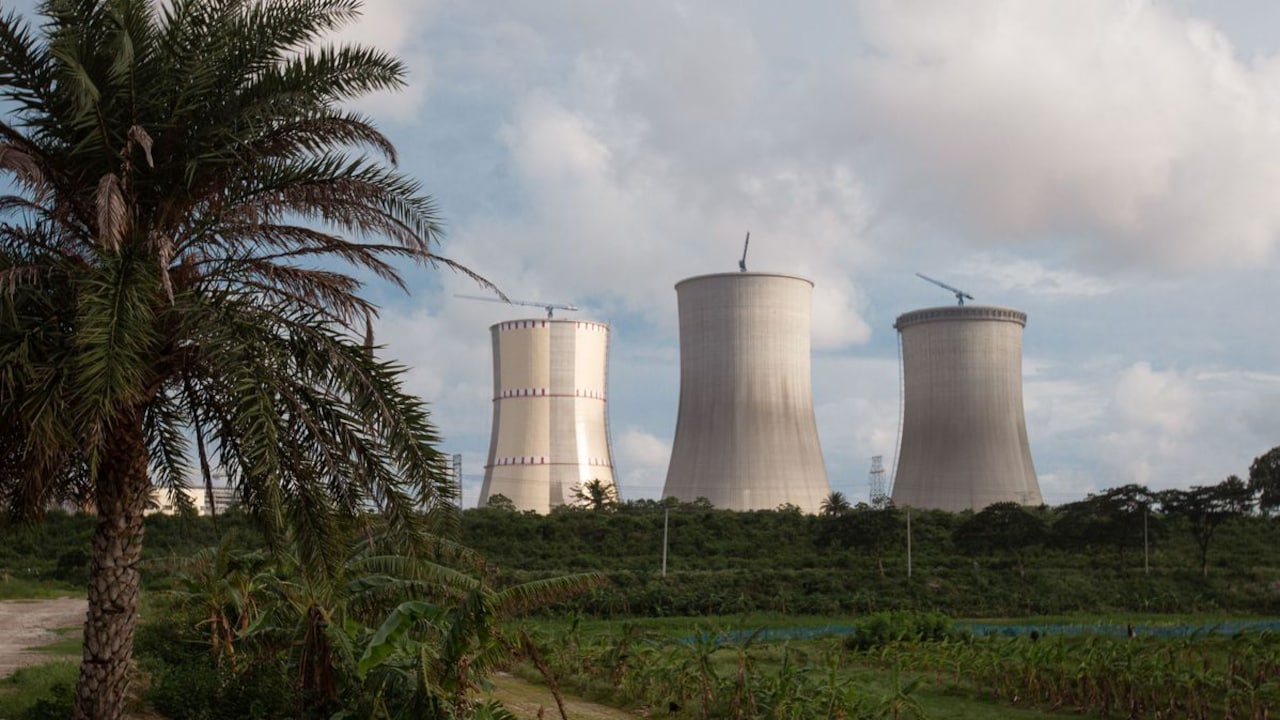
The physical transit of fissile material relies on rigorous flight-path predictability, intergovernmental permissions, and strict regulatory compliance. When diplomatic friction interrupts these corridors, the structural vulnerabilities of international energy projects become immediately apparent. The temporary withholding of airspace clearance by Pakistan for a Russian cargo flight transporting uranium fuel assemblies destined for Bangladesh illustrates the complex operational dependencies inherent in cross-border nuclear supply chains. Analyzing this disruption requires examining the regulatory frameworks governing nuclear logistics, the mechanical constraints of civil-military airspace management, and the risk mitigation strategies deployed by state energy corporations.
The Architecture of Fissile Material Transit
Transporting enriched uranium for reactor cores—such as the VVER-1200 units at the Rooppur Nuclear Power Plant—demands adherence to international transport safety standards established by the International Atomic Energy Agency (IAEA). Unlike commercial cargo, nuclear shipments are bound by specialized packaging requirements, continuous monitoring, and rigid diplomatic overflight clearances.
The logistical chain follows a strict sequence:
- Fabrication and Cask Certification: Fuel assemblies are manufactured and sealed in certified, radiation-shielded containers designed to withstand high-impact scenarios.
- Bilateral and Multilateral Overflight Authorizations: Because direct flight paths from Russian manufacturing facilities to South Asia cross multiple sovereign airspaces, operators must secure advance diplomatic clearances from every transit state.
- Secure Ground Transfer: Upon landing at the destination airport, cargo must move through pre-arranged secure corridors with military or specialized law enforcement escorts.
Any breakdown in the second phase—overflight authorization—halts the entire sequence, regardless of how thoroughly ground logistics have been prepared.
The Cost Function of Airspace Denials
When a transit state withholds clearance, the operator faces an immediate optimization problem defined by time, cost, and regulatory constraints. Rerouting a specialized nuclear cargo flight is not as simple as adjusting a commercial flight plan. Alternative corridors often require renegotiating diplomatic clearances with entirely different sovereign authorities, potentially doubling flight hours or requiring technical refueling stops that introduce additional security complications.
The delay of the September 24 scheduled delivery for Unit 2 fuel exposed the sensitivity of the timeline. Although the administrative explanation from Islamabad framed the hurdle within technical and procedural arrangements regarding flight routing, the operational consequence was an enforced schedule reset. In large-scale energy infrastructure projects, fuel delivery synchronizes with commissioning milestones. When fuel is withheld, the critical path for grid integration stalls, creating cascading delays in reactor testing and baseload electricity generation.
Geopolitical Friction and Corridor Vulnerability
The incident underscores a fundamental reality of international energy trade: critical supply lines frequently traverse regions of active diplomatic realignment. Bangladesh’s broader strategy involves balancing energy security with diversified foreign partnerships, sourcing nuclear technology from Russia via Rosatom while navigating regional relationships across South Asia.
When national airspace policies intersect with sensitive nuclear cargoes, the vectors of friction multiply. Aviation authorities must balance standard diplomatic turnaround times with security assessments. If a state perceives ambiguity in cargo manifests or diplomatic notes verbales, bureaucratic caution can rapidly transition into an administrative freeze. This dynamic highlights the vulnerability of relying on single directional air corridors for high-consequence industrial inputs.
Operational Adaptations in Nuclear Supply Chain Management
To insulate multi-billion-dollar energy infrastructure projects from transit choke points, industrial operators and state stakeholders must adopt structural redundancies:
- Diversified Routing Protocols: Securing pre-approved secondary and tertiary flight corridors with all potential transit nations long before shipment dates mitigates the risk of sudden administrative blockages.
- Buffer Stock Management: Maintaining a localized inventory buffer of fuel assemblies at the plant site can absorb short-term logistical shocks without threatening commissioning deadlines.
- Enhanced Diplomatic Liaison: Establishing direct communication channels between project management corporations, national atomic energy commissions, and civil aviation authorities helps preempt procedural misunderstandings before cargo aircraft are loaded.
The rapid resolution that permitted subsequent shipments to arrive demonstrates that these logistics chains possess inherent elasticity once administrative bottlenecks are cleared. However, the episode serves as a case study in the fragility of trans-continental nuclear logistics, proving that physical security and engineering readiness are entirely subordinate to sovereign airspace sovereignty.