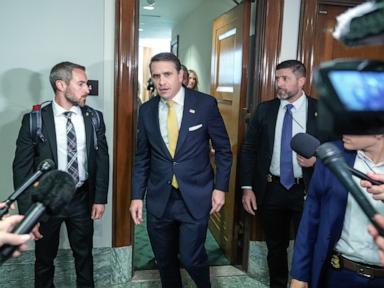
Senate Hearings Are Political Theater, Not Justice Mechanics
The mainstream media loves a moral panic with clear heroes and villains. When victim advocacy groups lobby Capitol Hill to block a high-profile nominee, newsrooms run the exact same playbook: amplify emotional testimony, frame the vote as a purity test for senators, and pretend the Judiciary Committee functions as a court of moral rectitude.
The recent push by survivors of Jeffrey Epstein to block the confirmation of Todd Blanche as Deputy Attorney General is classic political melodrama. It makes for compelling television. It generates high-converting outrage clicks. It gives politicians on both sides of the aisle a convenient stage to perform righteous indignation for their respective bases.
It also completely misdiagnoses how the Department of Justice actually functions.
Opposing a nominee solely based on who they represented in private practice reveals a fundamental misunderstanding of the legal system. Defense attorneys defend unpopular, despised, and controversial clients. That is not a bug in the legal system; it is the load-bearing pillar of constitutional due process. Conflating a lawyer with the actions of their clients is a dangerous precedent that legal activists push only when it aligns with their immediate political goals.
The Defense Attorney Fallacy
I have spent decades watching Washington political theater cycle through the same hollow arguments. Whenever a criminal defense lawyer gets nominated for a executive branch post, the opposition pretends that legal representation equals personal endorsement.
It is a bad-faith argument every single time.
John Adams defended the British soldiers involved in the Boston Massacre. Abraham Lincoln defended criminal suspects accused of murder. The legal system breaks down the second we decide that defending a villain makes the attorney villainous.
What the Critics Get Wrong About Federal Confirmations
- Lawyers represent clients, not ideologies. A defense attorney’s job is to force the government to prove its case beyond a reasonable doubt. If defense attorneys are disqualified from public service because they defended bad people, the only people left eligible for leadership roles are career prosecutors who have spent their lives expanding state power.
- The Deputy Attorney General manages operations, not individual prosecutions. The Department of Justice is a massive, bureaucratic apparatus with over 115,000 employees. The DAG acts as the chief operating officer. Evaluating a nominee based on symbolic outrage rather than operational competence guarantees institutional breakdown.
- Public pressure campaigns rarely change Senate math. Senate confirmations are exercise in raw party discipline, vote counts, and political horse-trading. Emotional appeals during hearings create noise, but they almost never shift the underlying power dynamics.
Imagine a legal framework where attorneys are held personally accountable for the actions of their corporate or criminal clients. Public defenders would be barred from judiciary appointments because they represented violent offenders. Civil liberties lawyers who defended hate speech would be blacklisted from executive agencies.
That is not justice. That is a puritanical purge that destroys the adversary system.
+-------------------------------------------------------------------+
|                  THE CONFIRMATION DISCONNECT                      |
+------------------------------------+------------------------------+
| Public Narrative                   | Institutional Reality        |
+------------------------------------+------------------------------+
| Hearings measure moral fitness.    | Hearings measure party loyalty.|
| Defense work equals endorsement.   | Defense work tests process.  |
| Outrage drives voting outcomes.    | Political math dictates votes.|
+------------------------------------+------------------------------+
The Real Problem: Institutional Inertia at Justice
If critics actually wanted to reform the Department of Justice, they would stop focusing on individual nominees and start focusing on structural incentives.
The DOJ does not fail because of who sits in the Deputy Attorney General's office for a four-year term. It fails because the agency operates as a self-preserving bureaucracy where career personnel face zero accountability for systemic failures. The agency protects its own record, shields historical files under the guise of ongoing investigations, and uses executive privilege to wall off internal decision-making from congressional oversight.
Focusing on Todd Blanche's client list allows politicians to appear tough without doing any real work. It gives senators an easy talking point while leaving the actual machinery of the DOJ untouched.
The Illusion of Accountability
When senators pretend to grill a nominee over past representations, they are running a shell game. They ask dramatic questions, demand theatrical promises, and cut off responses for five-minute cable news clips.
When the cameras turn off, the same senators vote straight down party lines. The bureaucracy continues uninterrupted. The public gets the illusion of oversight, while the actual mechanisms of federal power remain completely opaque.
Stop expecting Senate confirmation hearings to deliver moral closure. They were never designed for it.
If you want transparency from federal law enforcement, demand statutory changes to FOIA exemptions, strip absolute immunity from federal prosecutors, and mandate automatic disclosure of unredacted oversight reports. Anything less is just noise designed to keep you watching the circus while the tent stays exactly where it is.


