A quiet panic lives inside a shipping container sitting on a dock in Halifax.
Inside are hundreds of precision-machined steel valves, destined for an assembly line in Ohio. If those valves don't cross the border by midnight on an arbitrary Tuesday, a plant employing six hundred people in the American Rust Belt grinds to a halt. If they do cross, but carry a staggering 50 percent tariff penalty attached to their bill of lading, the small machine shop in southern Ontario that forged them simply ceases to exist.
This is where abstract economic warfare stops being about diplomatic briefings and starts being about human ruin.
When news breaks that the United States administration has escalated its trade offensive against Canada—threatening massive, sweeping duties across vital supply chains—the policy papers call it trade posturing. Economists call it asymmetric friction. But for a trucker sitting at the Peace Bridge, staring down a line of idling rigs six miles long, it is a very simple question: Does my family still have an income next month?
The Quiet Power of the Valve
To understand how a nation of forty million people stands its ground against an economic titan ten times its size, you have to look past the political theater in Washington and Ottawa. You have to look at what keeps American light switches turning on and American factories moving.
Canada is not just a neighbor; it is the silent engine under the hood of American industry.
Consider a hypothetical millwright in Michigan named Marcus. Marcus doesn't spend his evenings reading trade agreements or watching congressional hearings. He cares about whether his plant's furnace stays hot. The nickel, cobalt, and lithium required to build the batteries for the vehicles on his line don't come from a magical vacuum; they come from northern Canadian mines. The crude oil feeding the refinery down the interstate flows straight out of western pipelines. The very potash keeping Midwest farm fields fertile arrives on trains rolling south from Saskatchewan.
When political leaders debate whether Canada has counter-measures, they are really asking a darker question: How much pain are both sides willing to inflict on their own citizens before someone blinks?
Strategic weight in a confrontation like this isn't measured in aggressive tweets or grandstanding press conferences. It is measured in dependency.
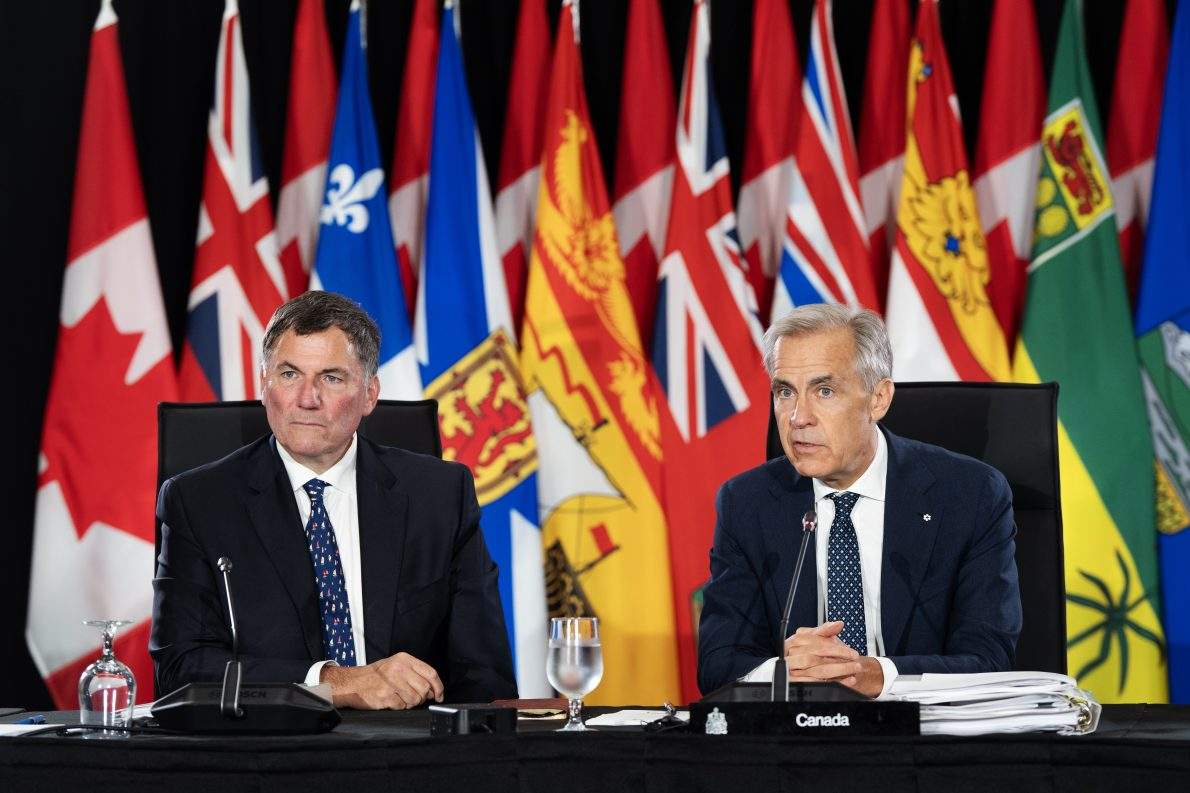
When regional leaders meet in Charlottetown to hash out a strategy, the temptation to swing heavy hammers is overwhelming. One leader demands a dollar-for-dollar tariff response. Another suggests cutting off the flow of critical energy exports. A third points out that withholding critical minerals would cripple defense manufacturing across the border overnight.
Pain. Counter-pain. Escalation.
It sounds decisive behind a podium. But in practice, turning off a pipeline or slapping duties on cross-border power grids is the economic equivalent of pulling a pin on a grenade while standing in a small room. Everyone bleeds.
The Illusion of the Big Stick
It is easy to believe the myth of retaliatory strength. We want our leaders to sound tough. We want them to slam their fists on mahogany tables and threaten to shut down the flow of nickel, timber, and oil.
The reality is far more delicate.
Canada’s true strategic weight does not come from a threat to destroy integrated markets; it comes from being completely indispensable to them.
Take the critical minerals sitting in the Canadian Shield. The push toward advanced technology, green energy, and defense hardware relies heavily on a steady, secure supply of raw material. The United States wants—and desperately needs—guaranteed access to those resources without depending on hostile powers overseas.
That necessity creates an implicit boundary.
If you blow up the bridge, nobody crosses. But if you own the toll booth, you negotiate from a position of quiet, permanent relevance. The smart play isn't withholding the mineral; it's embedding Canadian supply so deeply into the target country's national security framework that taxing it becomes an act of self-harm for the nation imposing the duty.
Former trade negotiators know this dance intimately. They remember the long nights in windowless boardroom suites, surviving on cold coffee while arguing over the exact wording of a single tariff line item. They know that loud declarations buy headlines, but quiet alignment buys protection.
"In a negotiation with a giant, you do not win by flexing muscles you do not have. You win by becoming the one organ the giant cannot live without."
✨ Don't miss: The Night the Lights Dimmed in Victoria Palace
The Human Toll on the Borderline
While politicians weigh strategic options, real life hangs in suspense.
Think of a third-generation logging family in New Brunswick. Their entire operation relies on sawmills that ship dimensional lumber straight to housing developments in New England. A sudden spike in border taxes isn't an abstract economic metric to them; it's the difference between replacing a worn-out skidder or laying off four neighbors who have worked the same timber stand for twenty years.
Or picture an auto worker in Windsor, crossing the Detroit river every day at 5:00 AM. Their livelihood depends on parts that cross the border six times before ever being bolted into a finished vehicle. A tariff isn't just a tax on a product; it's a tax on that worker's alarm clock, their mortgage, and their kid's college fund.
The tragedy of trade skirmishes is that the people who write the policy rarely feel the burn of its immediate aftermath. The casualties are always local.
The debate among provincial leaders isn't actually about whether Canada has options—it has plenty. The debate is about how to use those options without destroying the very communities they are trying to protect. Go too soft, and you get walked over. Go too hard, and you trigger a chain reaction that shuts down factories from Detroit to Hamilton.
What Victory Actually Looks Like
We often mistake aggression for strength.
In the high-stakes theater of international commerce, the real victory isn't landing a devastating economic blow. It is convincing the other party that firing the weapon in the first place is a catastrophic mistake for their own people.
Prime ministers and premiers can stand united in front of cameras, promising a "Team Canada" response. They can keep their bargaining chips close to their chests, refusing to show their hand before the deadline hits. But behind closed doors, the calculation is cold, precise, and urgent.
They aren't looking for a fight. They are looking for a way out of a trap that neither country can afford to stay in.
As the clock ticks down toward the tariff implementation date, the shipment of steel valves in Halifax remains tied up in logistics holding patterns. The driver checks his watch, takes a sip of stale gas-station coffee, and looks at the long line of red tail lights stretching toward the border guard shack.
The political speeches are over for the day. The noise has died down. All that remains is the quiet, heavy reality of two nations bound together by history, geography, and steel—waiting to see who breaks first.