Winter in the northern highlands arrives not with a polite knock, but with the sudden, metallic bite of frost. In a mountain kitchen three hundred miles from the capital, a grandmother pulls a woolen shawl tighter around her shoulders, staring at a gas heater that clicks twice and goes dead. The blue flame, dependable as breath for thirty winters, vanishes. Outside, the wind howls down the gorge, carrying the promise of a long, dark night.
Multiply that kitchen by ten million.
National survival is rarely decided on a distant battlefield under a dramatic sky. More often, it hums quietly through high-pressure steel pipes buried miles beneath frozen soil, or rides on the rusted hulls of cargo freighters navigating narrow, contested straits thousands of miles away. When a nation runs low on heat, the state machinery shudders. Factories quiet down. Bakeries shut their iron ovens. The arithmetic of daily life turns frantic.
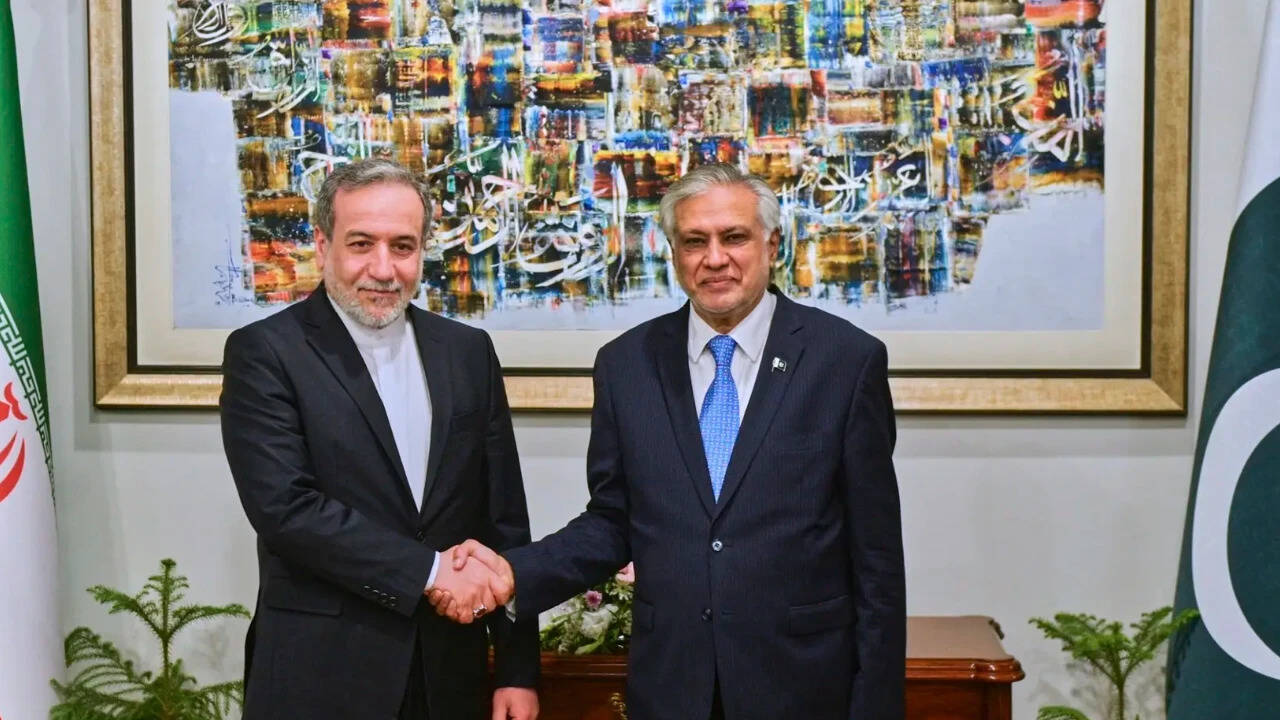
Consider the phone call placed across a border that has seen every shade of tension over the last century.
On one end of the line sits Islamabad, weighed down by a restless population, empty fuel reserves, and the relentless ticking of an economic clock. On the other end is Tehran, an ancient neighbor with vast oceans of natural gas locked beneath its desert crust, yet similarly entangled in a web of global sanctions, regional rivalries, and domestic demands.
The call was not born of friendship. It was born of necessity.
The Anatomy of Dependence
Energy is the invisible blood of modern civilization. We treat it like weather—something that simply arrives when we flip a switch or turn a valve—until it stops.
Pakistan’s energy deficit is an old wound, salted year after year by soaring demand, depleted domestic gas fields, and the crushing cost of imported liquefied natural gas. When global markets spike, importing fuel becomes an act of national financial strain. Reserves dwindle. Power plants ramp down. The lights flicker in Lahore and Karachi.
Across the western frontier, Iran sits atop the world's second-largest natural gas reserves. For years, a massive pipeline project—the so-called peace pipeline intended to carry Iranian gas across the border—has stood as a monument to unfulfilled potential. Bureaucratic hesitation, fear of secondary international sanctions, and geopolitical pressure have left billions of dollars of infrastructure waiting for a spark that never quite caught fire.
So when high-ranking officials pick up the phone to talk energy supplies and maritime security, they are not engaging in dry diplomacy. They are negotiating the warmth of that grandmother's kitchen. They are deciding whether the textile mills in Faisalabad will run tomorrow or lay off thousands of workers.
Energy security is human security.
The Silent Waters
Energy does not travel in a vacuum. It moves through geography, and geography is messy.
The second half of that diplomatic conversation pointed toward an equally fragile lifeline: the safe passage of commercial vessels. In a globalized economy, fuel and food do not materialize from thin air. They cross oceans, threading through narrow maritime bottlenecks where a single miscalculation by a naval patrol or a drone strike can spike insurance rates globally and strand oil tankers miles offshore.
Picture a captain standing on the bridge of a bulk carrier creeping through dark waters, his eyes locked on a radar screen dotted with warning blips. He carries thousands of tons of essential commodities. Every nautical mile is a calculation of risk. If the waters grow too dangerous, shipping companies simply stop sailing. Routes lengthen. Prices skyrocket. The shockwaves hit local markets within days.
When leaders urge safe passage for ships, they are defending the thread that holds the global supply chain together. They are acknowledging a terrifying truth: we are all living on an island, and the supply boats are running low.
The Weight of Geography
History is a stubborn roommate. You cannot evict it, and you cannot ignore its mess.
Iran and Pakistan share a long, porous border that winds through inhospitable terrain—mountain passes, arid deserts, and smuggling routes older than written history. For decades, this frontier has been a source of anxiety, haunted by insurgent movements, drug cartels, and mistrust.
Yet geography also binds them together in an inescapable embrace. They share ecosystems, weather patterns, and economic destinies. When one suffers an acute energy shortage, the shock ripples across the border.
To understand why a Pakistani minister must urgently dial an Iranian counterpart, you have to look past the velvet-draped conference rooms and the stilted press releases. You have to see the maps scrawled with pipeline routes that stop frustratingly short of their destinations. You have to hear the low hum of a nation trying to keep its lights on while walking a diplomatic tightrope.
It is a delicate dance. On one side lies the immediate, crushing domestic demand for heat and electricity. On the other side lies a complex maze of international trade laws, diplomatic penalties, and shifting alliances.
What Remains When the Flame Dies
Back in the mountain kitchen, the grandmother strikes a match, trying to coax an old kerosene stove to life. It sputters, smells of old oil, and finally catches, casting a pale, flickering yellow light across the room. It is not enough to heat the whole house, but it keeps the immediate dark at bay.
Nations do not die in dramatic explosions; they often fade in the quiet hum of power grids failing one neighborhood at a time. The phone calls made in high-level offices, the diplomatic pleas for uninterrupted energy, and the urgent demands for open shipping lanes are desperate attempts to keep the kerosene stove of the state burning.
The cables and pipelines are more than metal and concrete. They are trust made physical. They are the fragile agreements that allow strangers millions of parts apart to share warmth, light, and food.
Until those agreements are secured, millions of people will continue to watch their breath fog in living rooms, waiting for the line to connect, waiting for the gas to flow, and hoping against hope that the dark stays outside.