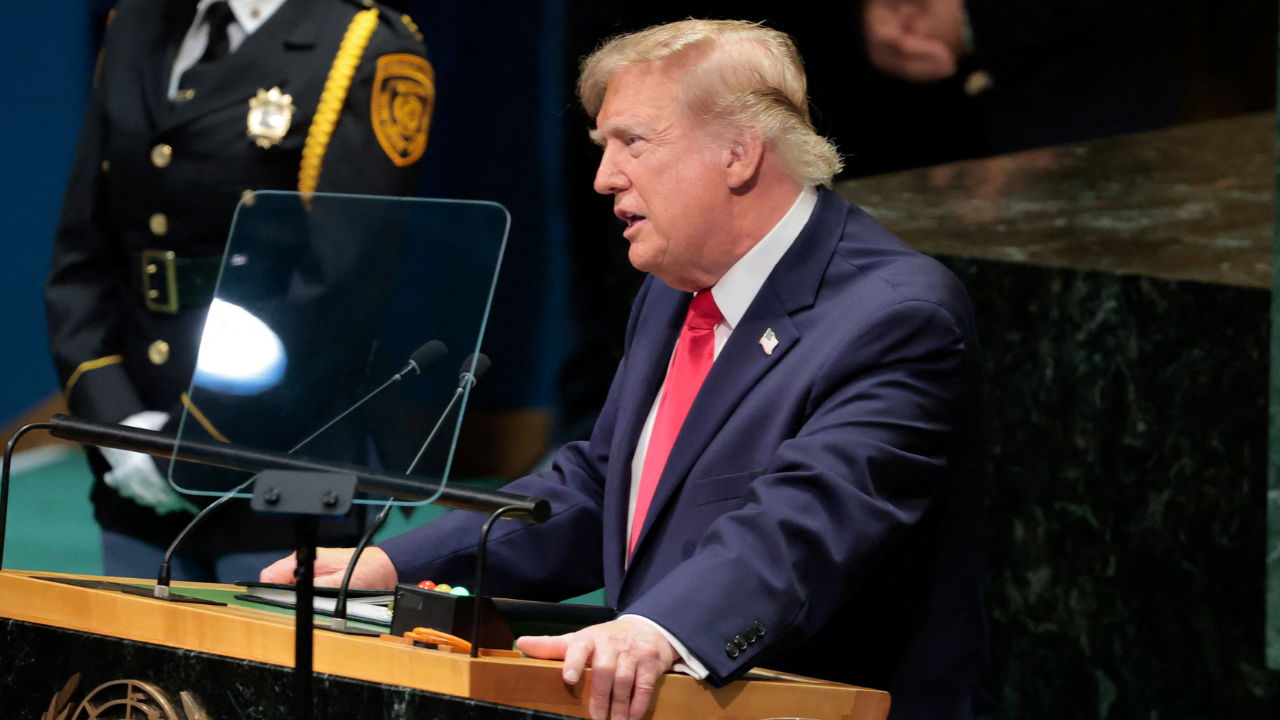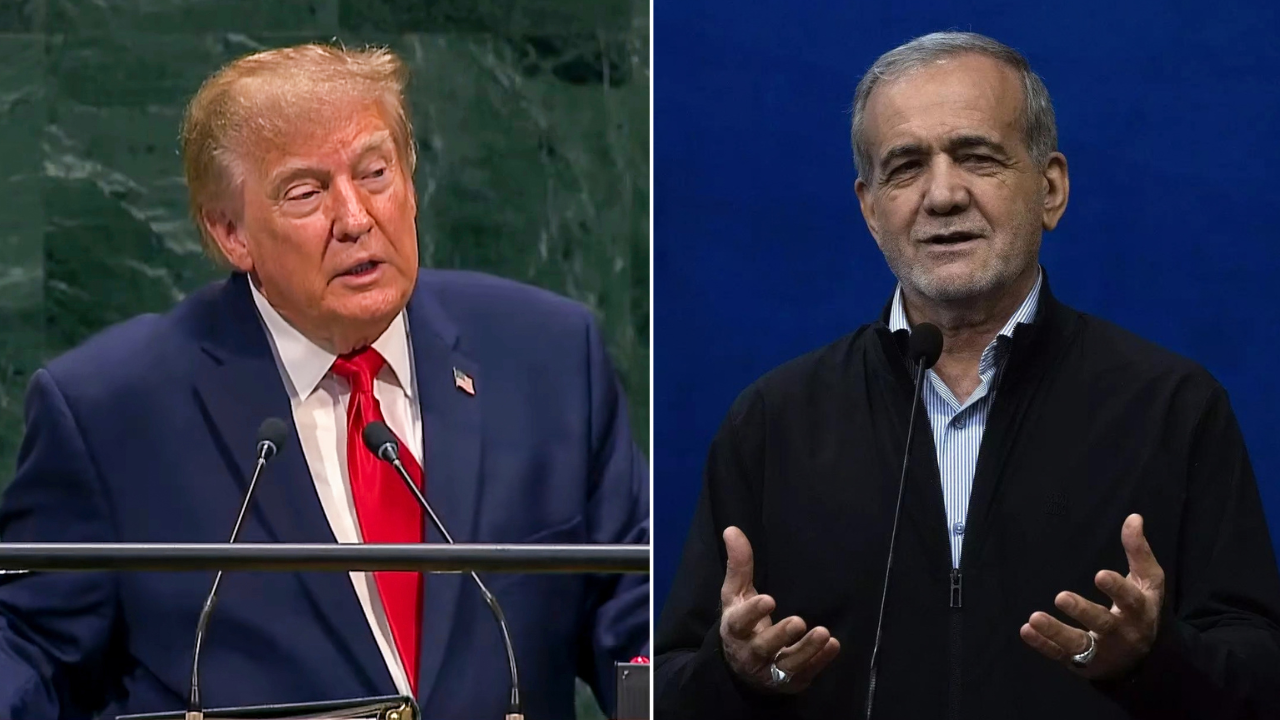
Diplomacy rarely happens under the bright lights of a general assembly hall. It happens in back rooms, through intermediaries, and during tightly guarded corridor conversations. When whispers started spreading about a potential encounter between US President Donald Trump and Iranian President Masoud Pezeshkian on the sidelines of the United Nations, seasoned foreign policy analysts didn't flinch—they leaned in.
Relations between Washington and Tehran have hovered near the breaking point for years. Yet, political posturing in front of UN microphones often masks a stark reality. Both sides understand that an endless loop of economic strangulation and localized military escalation carries an unsustainable price tag. Trump's public stance that he is "open" to dialogue wasn't just casual media fodder. It signaled a calculated opening, even as high-stakes backchannel negotiations involving envoys quietly took place in New York.
The Domestic Trap Facing Tehran
You have to look at this through the lens of domestic political survival. For Masoud Pezeshkian, stepping onto US soil to address the United Nations is a high-wire act. Back home, hardliners and the Islamic Revolutionary Guard Corps watch every word. If he appears too eager to appease Washington, he risks immediate political ruin.
That explains the sharp rhetorical tone of his UN address. Pezeshkian called out American pressure and framed his country as a defender against external aggression. He had to project strength to domestic constituents. But beneath the fiery speech lies a pragmatic calculation. Tehran faces severe economic bottlenecks, strained regional proxy networks, and mounting pressure from its own citizens. The regime needs a way out of its current diplomatic isolation without looking like it surrendered.
Washington's Dual Track Strategy
The White House plays a very different game. Trump relies on a classic pressure-and-offer routine. On any given day, threats of severe economic isolation or military action sit side-by-side with invitations to negotiate a grand deal.
Administration officials have repeatedly pointed out the core hurdle that plagues every diplomatic push with Iran. Who actually holds the ultimate authority? While Pezeshkian represents the civilian government, major strategic decisions rest with supreme leadership. Without absolute clarity on whether Iranian diplomats have a mandate to cut a lasting deal, US officials remain cautious about committing to a formal, high-level summit. Despite that hesitation, backchannel discussions involving special envoys have already logged hours of substantive talk, proving that communication channels remain open when the cameras are turned off.
What Comes Next for the Region
The real question isn't whether a photo-op handshake will happen at a UN reception. It is whether either administration can bridge the massive trust deficit. Iran wants sanctions relief and recognition of its regional standing, while Washington demands an end to nuclear ambitions and proxy warfare.
Resolving a decades-long standoff takes more than a single conference week. Still, the willingness of both leaderships to authorize quiet diplomatic tracks indicates that the current state of perpetual friction is wearing thin. Watch the movement around key regional choke points and secondary economic sanctions over the coming months. That is where you will see whether these secret conversations actually yield a breakthrough or just fade into another missed opportunity.
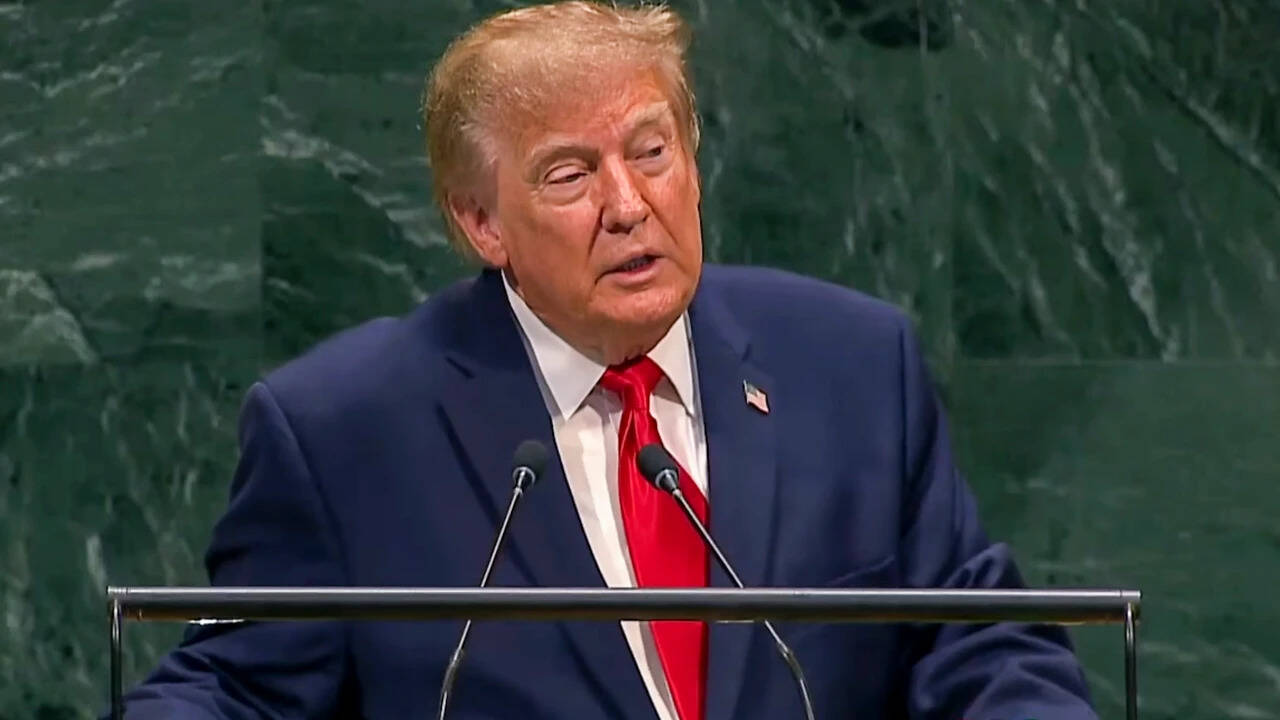
Trump Says He Is 'Probably Open' To Meeting Iran's Pezeshkian
This video provides direct context on the US administration's public positioning regarding potential talks with Iranian leadership during the diplomatic gathering in New York.