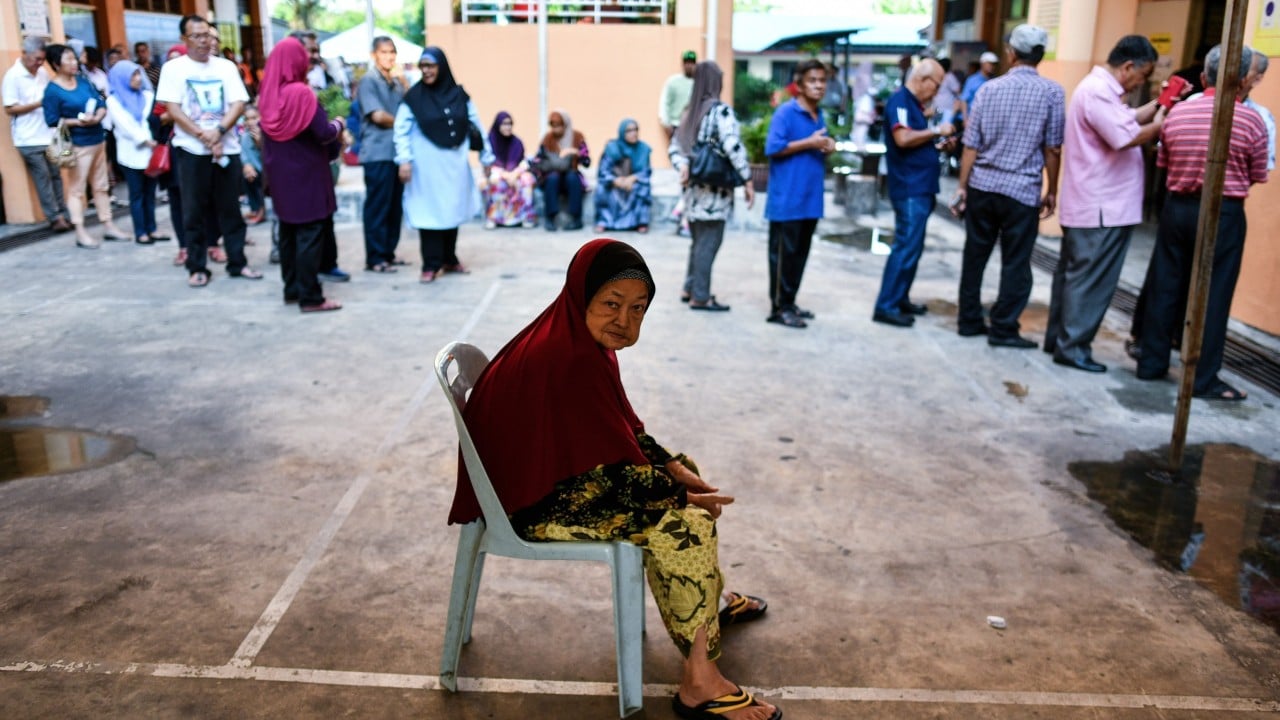
The alarm rings in the pre-dawn darkness of Petaling Jaya, just as it has for thirty-two years. Ahmad reaches out a calloused hand, fumbles for the plastic casing, and silences the noise before it can wake his wife. He is sixty-one years old. Legally, nationally, by the stroke of a bureaucratic pen that once dictated the finish line of a working life, Ahmad crossed his threshold of rest a year ago.
Yet here he is, pulling on a stiff polyester shirt, checking his belt loops, and stepping out into the heavy, humid tropical air.
Malaysia is having an argument with time.
On one side of the mamak stalls and corporate boardrooms stand those who view the statutory retirement age of sixty as a sacred boundary—a hard-earned finish line where a citizen finally trades the tyranny of the clock for the quiet dignity of a porch swing and time with grandchildren. On the other side stand the economists, the anxious ledger-keepers, and millions of Ahmads who look at their dwindling Employees Provident Fund savings and realize that sixty is no longer a destination. It is merely a checkpoint on a road that has run out of pavement.
Consider the math. It is cold, brutal, and utterly devoid of poetry. A significant portion of urban Malaysians approach their diamond jubilee with retirement accounts that would struggle to survive a decade of modern inflation. Medical costs rise. Rice, electricity, and rent climb upward with indifferent cruelty. To retire at sixty in Kuala Lumpur is not always an act of leisure. Sometimes, it is a slow-motion eviction from stability.
Walk into a neighborhood kopitiam just after dawn, and you will hear the friction of this debate in real-time.
"We gave our youth to the factories, the offices, the civil service," Aminah says, wiping down a marble table, her joints aching before the morning rush even begins. "By sixty, our backs are done. Our eyes are tired. Why should we spend our twilight years kneeling under fluorescent lights just to afford groceries?"
She speaks for a generation that feels betrayed by the arithmetic of survival. They remember a Malaysia of cheaper rents and robust multi-generational households where elders were absorbed naturally into the fabric of the home. Today, sky-high housing costs force younger generations into smaller apartments, while urban living strips away the traditional safety nets.
Yet, across the aisle sits a different kind of desperation.
Zul is sixty-three. He works logistics oversight in a sprawling warehouse outside Shah Alam. He does not want to work, but his youngest daughter is halfway through her university degree, and tuition does not care about age limits.
"If they lower the curtain at sixty, what am I supposed to do?" Zul asks, leaning against a stack of shipping crates. "Sit on a park bench until my savings run dry? I am healthier than my father was at fifty. My mind is sharp. I do not want charity. I want relevance."
This is the fault line running through the heart of Southeast Asia's rapidly aging tiger. Malaysia is transitioning into an aged society faster than its social safety nets can comfortably pivot. Birth rates are sliding. Life expectancy is climbing. The old social contract—where thirty years of work bought thirty years of leisure—is fraying at the edges, leaving policymakers scrambling for answers that do not provoke public fury.
When the government floats proposals to extend working lifespans or adjust civil service caps toward sixty-five, the public reaction is swift and polarized. Unions push back, arguing that pushing the retirement age higher traps entry-level graduates in a bottleneck of unemployment, locking young Malaysians out of career progression while forcing exhausted seniors to keep running on a treadmill that never slows down. Corporations, meanwhile, eye the graying workforce with a mixture of caution and reliance, knowing that institutional memory walks out the door every time an experienced hand retires.
The tension forces a deeper, uncomfortable question. What is a life for?
Is it an accumulation of productivity, measured in quarterly reviews, pension payouts, and attendance records? Or is it a journey from toil to stewardship, where the old teach the young how to survive the storms they themselves weathered decades prior?
Right now, Malaysia is stuck in between. It is a nation caught between the cultural reverence for elders and the unforgiving demands of a globalized economy.
Ahmad arrives at his station by seven-thirty. The air conditioner hums to life, chilling the small office. He boots up his computer, adjusts his spectacles, and looks at the spreadsheet blinking on the monitor. He is tired. He admits that freely to himself, whispering it into the empty room before the rest of the staff arrives. But as he begins typing the first entry of the day, a quiet realization settles over him.
The clock keeps ticking. The world keeps turning. And until the numbers balance and the future becomes secure, the morning commute remains the only road forward.


