The kitchen floor remembers what you spilled on Tuesday. You thought you wiped it all away, kneeling there with a damp paper towel, chasing the invisible grit that crunched beneath your bare feet. But you missed a spot. You always miss a spot.
Dust is patient. It settles in the quiet hours between midnight and dawn, collecting in the dark corridors where baseboards meet hardwood, waiting for the clumsy sweep of a clumsy broom. For decades, cleaning our homes has been a quiet, domestic penance. We dragged heavy plastic canisters across room thresholds, fighting cords that wrapped around chair legs like angry serpents. We wrestled with attachments that never quite clicked into place. And then, when the chore was finally finished, came the ritual punishment: unzipping or unsepping the bag, or knocking the plastic bin against the inside of an outdoor trash can, sending a gray, billowing cloud of allergens straight back into the air we just purified.
It felt like progress when cordless stick vacuums first arrived. They were light. They were nimble. They freed us from the tyranny of the wall outlet.
Yet they introduced a new, insidious annoyance. The tiny dust cup.
Imagine living with a machine that promises freedom, only to demand constant maintenance. Every single time you cleared the living room rug, you had to pop open a plastic chamber and coax out tangled hairballs and packed-in pet fur with your fingers, or poke at them with a pencil. The convenience evaporated the moment you had to empty the container over a wastebasket, watching a fresh layer of fine silt coat your freshly washed hands. You traded the cord, but you kept the chore.
Then came the quiet revolution.
Self-emptying cordless stick vacuums did not just update a feature; they rewrote the contract between human and machine.
To understand why this matters, look at Sarah. (This is a hypothetical scenario to ground the reality of modern maintenance.) Sarah works fifty hours a week, manages a household with a golden retriever named Buster, and harbors a deep, quiet exhaustion by Sunday evening. Her old cordless vacuum had strong suction, but it had a zero-point-three-liter dust bin. Because Buster sheds like a seasonal weather event, Sarah had to empty that cup three times during a single pass of the downstairs hallway. By the third time, dust was clinging to her static-charged leggings. She grew to resent the machine. It felt like another roommate who refused to clean up after itself.
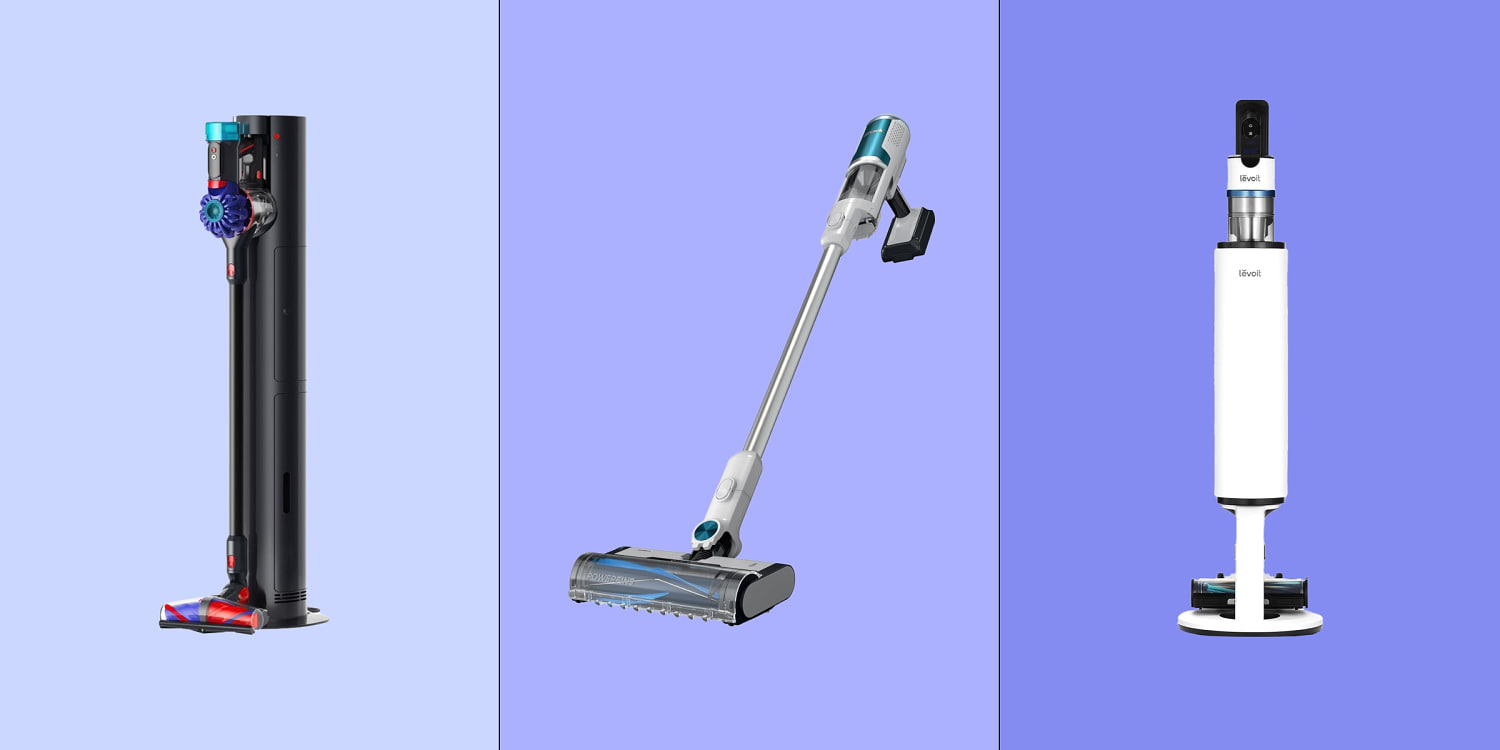
When she switched to a self-emptying model, the physical friction of cleaning vanished. She finished vacuuming the entire house, walked over to the sleek charging dock, and slotted the wand into its vertical home.
Then the dock coughed to life.
It was a sudden, jet-engine roar that lasted all of three seconds. Inside the base station, a powerful automated suction system sucked the contents straight out of the vacuum’s tiny onboard cup and locked them away inside a large, sealed allergen bag hidden in the tower. Sarah stood there, hands empty, watching the dock quiet down.
No dust cloud. No plunging fingers into pet hair. No sneezing fit.
That three-second roar is the sound of cognitive load lifting.
The Anatomy of True Autonomy
To appreciate how far we have traveled, we have to look beneath the sleek plastics and digital displays. The best self-emptying cordless stick vacuums are triumphs of fluid dynamics and battery chemistry.
Early cordless machines suffered from a brutal compromise. They could give you high suction, or they could give you a twenty-minute runtime. They could not give you both. Engineers had to balance brushless direct-current motors against lithium-ion cell degradation. If you cranked the motor to maximum power to pull stubborn pet hair out of a low-pile wool rug, the battery gauge plummeted like a stone dropped down a well.
Modern iterations have solved this through intelligent power scaling. Using piezoelectric sensors, these machines actually listen to the dust entering the intake. When the sensor detects a dense patch of microscopic debris—skin cells, pollen, fine dirt—it automatically ramps up motor torque for three seconds, then dials it back down the moment the floor is clear. This dynamic adjustment stretches battery life across a forty-minute cleaning session without sacrificing deep-cleaning capability.
And then there is the dock.
The charging station is no longer just a wall plug with extra steps. It is a secondary appliance. It houses a multi-stage filtration system, often incorporating HEPA standards that trap ninety-nine point nine-nine percent of particles down to zero point three microns. When the vacuum docks, the airflow reverses. The tiny holding tank is evacuated completely, leaving zero residual debris behind. The sealed bag inside the tower only needs to be replaced once every sixty or ninety days.
For allergy sufferers, this transition is monumental. Dust mites, mold spores, and pet dander trapped inside a vacuum are notoriously volatile. When you empty a standard bin manually, you are essentially releasing those captured allergens right back into your breathing zone. A sealed dock keeps the enemy locked away.
Choosing Your Weapon Against Entropy
Walking down the digital aisle of cleaning technology can induce vertigo. Prices range from a few hundred dollars to well over a thousand. Brand names blend together in a blur of carbon-fiber wands and laser-illuminated floorheads.
How do you separate genuine engineering excellence from expensive marketing vanity?
Look past the raw wattage numbers. Manufacturers love to throw around airwatts as a badge of honor, but raw power means nothing if the floorhead design cannot maintain a proper seal against the floor. A well-engineered brushroll with anti-tangle comb teeth will outperform a brute-force motor that gets choked by long human hair within four minutes of operation.
Consider the weight distribution. A heavy motor placed entirely at the top of the stick creates leverage that strains your wrist after ten minutes of overhead cobweb hunting. The best designs distribute weight so that the center of gravity rests comfortably in the palm of your hand, making the machine feel weightless as it glides across hardwood.
Consider also the capacity of the charging base. Some brands use bagged towers; others use bagless bins in the base station. While bagless base stations save you from buying replacement consumables, emptying them can sometimes create the exact dust cloud you bought the machine to avoid. Bagged systems, though requiring ongoing purchases of proprietary bags, offer a truly hygienic, touch-free disposal experience that sensitive noses will appreciate.
The Quiet Shift in Our Daily Rhythms
We shape our tools, and then our tools shape us.
When a task requires friction—when it is messy, annoying, or physically punishing—we procrastinate. We let the cereal crumbs linger on the kitchen rug until Friday night. We ignore the tumbleweeds of dog hair gathering beneath the sofa because dealing with them demands too many administrative steps.
Remove the friction, and behavior changes.
When cleaning becomes as simple as lifting a wand from a magnetic dock and walking away when you are done, you stop treating it as an event. You do not schedule a deep clean. You just fix the mess as it happens. You run the stick over the entryway runner while the coffee is brewing. You catch the spilled flour before it gets ground into the grout.
The house stays cleaner not because you became a more disciplined person, but because the machinery of daily life stopped fighting you.
Technology at its finest does not shout for your attention. It recedes into the background. It takes the dull, dusty burdens of physical existence and absorbs them quietly, leaving you with something far more valuable than a spotless floor.
It leaves you with your time. And the quiet space to enjoy what is left of your afternoon.