The global struggle for technological supremacy has entered a fierce new phase, with artificial intelligence serving as the primary battleground. Beijing has drawn a hard line against any single nation seizing control of the sector. During a recent high-profile security dialogue in Malaysia, Victor Gao, vice president of the Center for China and Globalization, stated bluntly that China will block attempts by any country to achieve global dominance in artificial intelligence.
This hardline stance isn't just about code or data centers. It highlights a massive ideological divide over who gets to dictate the future of human automation, national defense, and global economic security. Washington and Beijing are locked in a high-stakes race where neither side can afford to blink. If you found value in this article, you should check out: this related article.
The Weaponization Debate
Washington views machine learning advancements through the lens of national security and strategic competition. American policymakers argue that maintaining a technological edge is vital to democratic values and defense readiness. Silicon Valley firms work closely with defense agencies, integrating advanced models into everything from logistics software to autonomous military hardware.
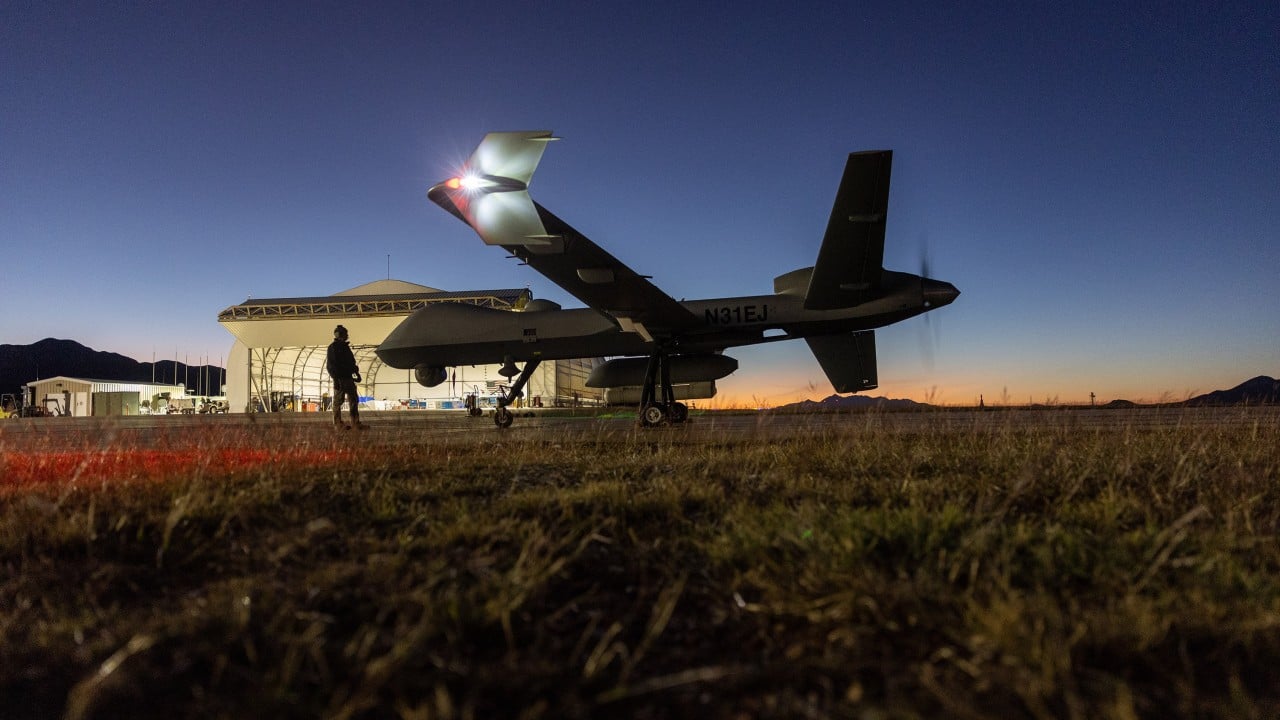
Beijing views this integration with extreme suspicion. Gao accused Washington of weaponizing and militarizing algorithms, pointing to the rapid deployment of smart systems in tactical gear and ballistic platforms. From the perspective of Chinese strategists, a unipolar AI world order under American leadership poses an existential threat to international stability. For another look on this story, check out the latest update from The Verge.
The Rare Earth Chokepoint
Talk is cheap, but hardware requires physical materials. China holds a massive trump card in this geopolitical chess match: its dominant grip on critical rare earth elements and processing supply chains. Advanced processors need specific minerals to function at scale.
Gao suggested that Beijing's control over these supply chains acts as a natural check against any aggressive military or commercial overreach by Western competitors. If Washington attempts to monopolize advanced computing capabilities, Beijing intends to use material chokepoints to disrupt those ambitions. It is a raw exercise of industrial leverage designed to enforce a multipolar reality.
Open Source Versus Closed Control
The technical strategies of the two superpowers look entirely different. American labs often favor proprietary, closed architectures to protect commercial monopolies and intellectual property. Chinese tech ecosystems, meanwhile, lean heavily into open-source and open-weight models, exemplified by platforms like Kimi.
This openness changes the math of global adoption. While Western firms try to lock users into subscription-walled ecosystems, Asian developers are distributing accessible frameworks to the Global South. This democratization strategy undercuts traditional Western economic leverage and builds alternative technological alliances.
What Happens Next
The tech cold war shows no signs of cooling down. Bilateral summits and diplomatic forums will keep happening, but the underlying race for algorithmic superiority will only accelerate. Expect tighter export controls, aggressive domestic subsidies, and a scramble for talent across every continent.
Governments and businesses must navigate a fractured digital ecosystem where picking a single technological standard is no longer an option. Keep a close eye on supply chain shifts and regional software adoption rates if you want to see where the balance of power actually settles.
This video from Channel 4 News explores the intense geopolitical rivalry and debate surrounding global advancements in artificial intelligence.