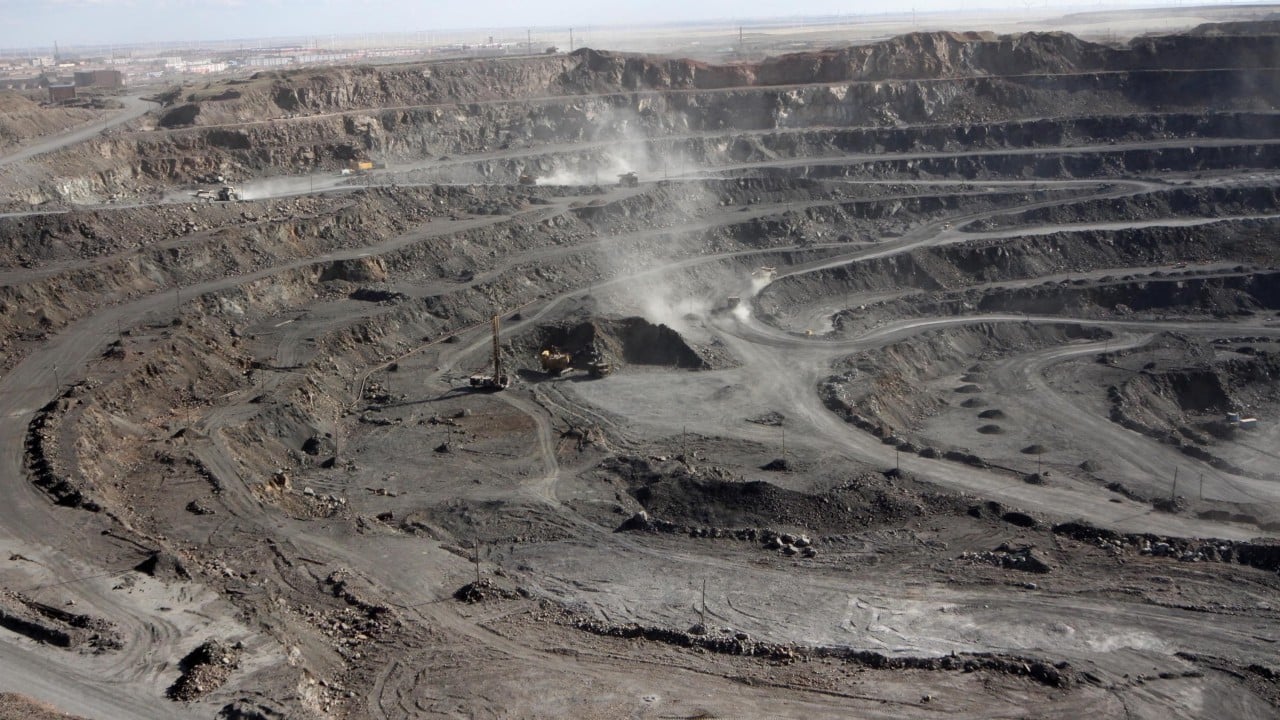
Everyone panics when Beijing tightens the supply chain. You hear it on every news broadcast. China controls the magnets powering our entire modern economy. Electric vehicles stall out. Defense contractors sweat. High-tech manufacturing grinds to a halt because a few shipments get delayed at a port.
Here is what most analysts miss. The official supply data is probably garbage.
Geologists studying structural formations point to a quiet reality. China's actual rare earth reserves could dwarf current estimates. We aren't talking about minor statistical errors. We might be looking at deposits double or triple what gets printed in government spreadsheets and corporate disclosures.
Let's break down why the numbers are wrong, who caught the discrepancy, and what this changes for global markets.
The Problem With Official Data
Governments lie about resources for strategic reasons. Sometimes they undersell assets to avoid immediate domestic pushback over environmental devastation. Other times they inflate figures to scare competitors. China takes a different route entirely. They underreport massive swaths of domestic mineral wealth to control pricing and maintain absolute dominance.
Think about how mining estimates work. Companies drill core samples. They run assays. They measure concentrations across specific geographic parameters. Then they submit reports to regulatory bodies.
When leading geologists analyze regional tectonic data alongside historical mining yields from provinces like Inner Mongolia and Sichuan, the math stops adding up. The output capacity and the discovery rates imply hidden deposits sitting beneath closed or restricted zones.
Official figures claim China holds roughly forty million metric tons of rare earth oxides. Geologists working independently suggest the real footprint could easily surpass one hundred million tons. That changes the entire chessboard.
Why Geologists Say the Real Number Is Higher
I talked to industry insiders who spend weeks staring at seismic surveys and satellite imagery of remote mining regions. The technology used to map rare earth elements has advanced rapidly over the last decade. Older surveys missed deep-seated ion-adsorption clays. They missed heavy rare earth deposits hidden beneath thick layers of basalt and sandstone.
When modern hyperspectral imaging scans these zones, the chemical signatures light up like neon signs.
- Older exploration methods relied on surface scraping and shallow drilling.
- Modern geophysical surveys detect magnetic anomalies hundreds of meters underground.
- Heavy rare earth elements in southern provinces hide inside complex clay layers that traditional assays completely overlooked.
You see, elements like neodymium, dysprosium, and terbium aren't just sitting in neat rock veins. They bind to clay structures. They scatter across massive regional watersheds. When you re-evaluate old exploration logs using new geochemical models, you realize previous generations only scratched the surface.
The Geopolitical Fallout of Massive Hidden Deposits
If these geological assessments are accurate, supply scarcity panic is manufactured. Or at least, it is heavily exaggerated.
Western nations spent billions of dollars trying to break free from mineral dependence. Companies rushed to fund mining projects in Canada, Australia, and the United States. They assumed China would run dry within a few decades. They planned their long-term supply chains around an inevitable scarcity crunch.
If China is sitting on three times more material than previously admitted, their market leverage lasts indefinitely. They can flood the market whenever independent competitors get close to profitability. They can crater prices overnight.
Look at what happened when export quotas shifted in past years. Prices spiked. Alternative projects raised capital. Then prices collapsed, bankrupting junior mining startups in North America. That cycle isn't an accident. It is a calculated strategy protected by opaque reserve data.
What This Means for Tech and Defense Supply Chains
If you run a hardware company, stop betting on a quick technological bypass. Engineers keep trying to design rare earths out of permanent magnets. They test iron-nitride compounds. They experiment with recycled scrap.
Progress is slow. Physics is stubborn.
You need heavy rare earths for high-temperature applications like wind turbine generators and jet fighter actuators. If the primary supplier controls a virtually endless reservoir of cheap material, substitute technologies struggle to compete on cost.
Companies building electric vehicles or defense electronics must accept a harsh reality. Supply chain security requires redundancy, not wishful thinking. Relying on optimistic reports that say China will exhaust its mines soon is a dangerous gamble.
Moving Past the Data Fog
Navigating this market requires skepticism. When a major research firm publishes a report on global critical mineral depletion, check their methodology. Ask who funded the survey. Look at whether they account for deep-crust deposits or only surface-level mines.
Stop treating official resource reports as absolute truth. Governments treat mineral data as national security secrets. Treat them accordingly. Diversify your suppliers, lock in long-term contracts, and assume the ground beneath our feet holds far more surprises than the bureaucrats want to admit.