Wealthy Chinese car buyers are ditching Mercedes-Benz, BMW, and Audi for homegrown electric vehicles. Status symbols in the world's largest automotive market are undergoing a violent, generational mutation.
For three decades, a German badge parked in a driveway signaled that a buyer had arrived. That era is dead. Today, affluent executives in Shanghai and Shenzhen are trading their internal combustion flagships for domestic battery-powered sedans and SUVs built by companies that barely existed ten years ago.
The shift is not about saving money on fuel. Price is secondary when you can afford a six-figure automobile. Instead, the migration stems from a fundamental realignment of what luxury actually means in the modern era. Prestige used to be measured by engine displacement, leather stitching sourced from specific European cows, and the heritage of a brand founded by a European aristocrat.
Now, prestige is measured by computing power, acoustic glass insulation, autonomous parking algorithms, and seats that give orthopedic massages while the vehicle navigates dense urban traffic without human intervention.
Foreign luxury manufacturers misread the room. They assumed that slapping an electric motor into a traditional chassis and wrapping the interior in familiar materials would satisfy a sophisticated clientele. They were wrong. Traditional carmakers treated software as an afterthought, an accessory bolted onto the primary machine. Domestic Chinese brands treated the automobile as a consumer electronics device wrapped in steel and aluminum, with the driving experience dictated by software updates delivered while the owner sleeps.
The Death of the Status Badge
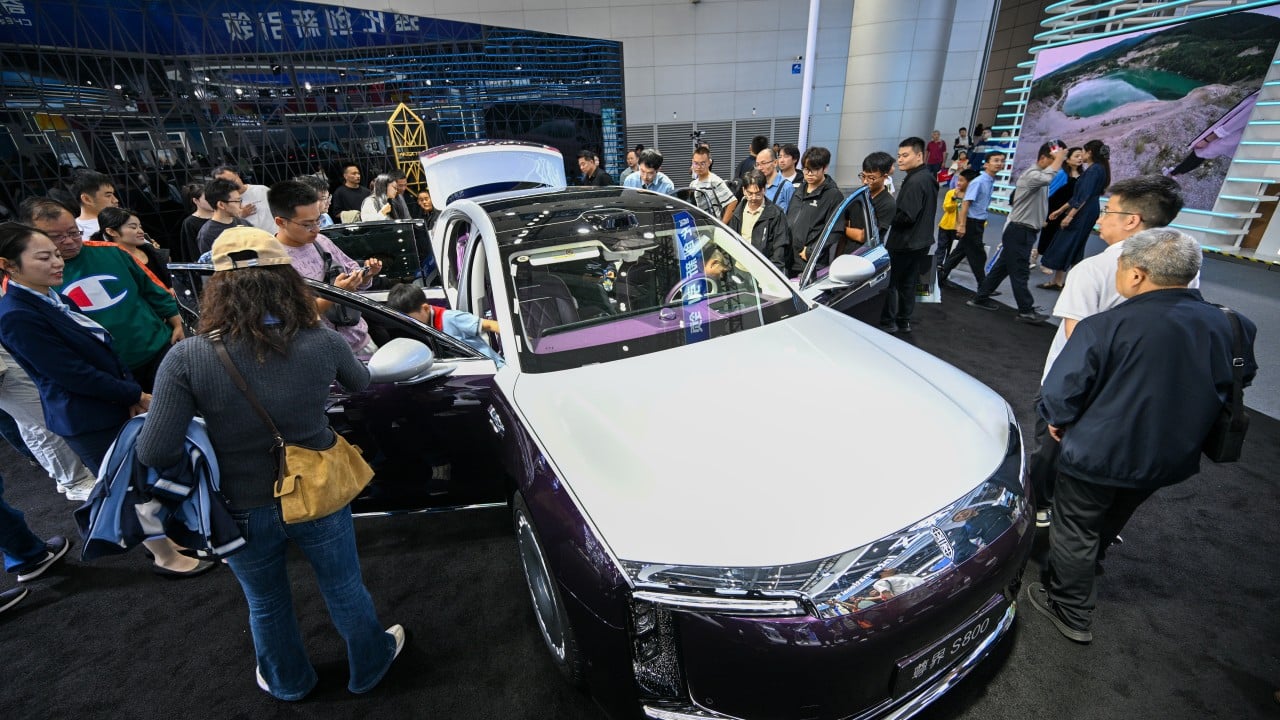
Walk into a hotel lobby in Beijing and observe the keys dropped on the valet desk. You will see fewer silver three-pointed stars. You will see more sleek fobs and smartphone keys tied to brands like Nio, Xpeng, Zeekr, and Huawei-backed Aito or Luxeed.
The social signaling mechanism has inverted. Driving a traditional gasoline luxury vehicle in tech-forward Chinese cities increasingly communicates that you are out of touch. It signals that you value historical inertia over modern capability.
Foreign brands built their empires on mechanical engineering complexity. They spent a century perfecting internal combustion engines, multi-speed transmissions, and exhaust notes. But an electric motor is fundamentally commoditized. It delivers instant torque silently, requiring far fewer moving parts. When the engine stops being a differentiator, the entire hierarchy of traditional luxury collapses.
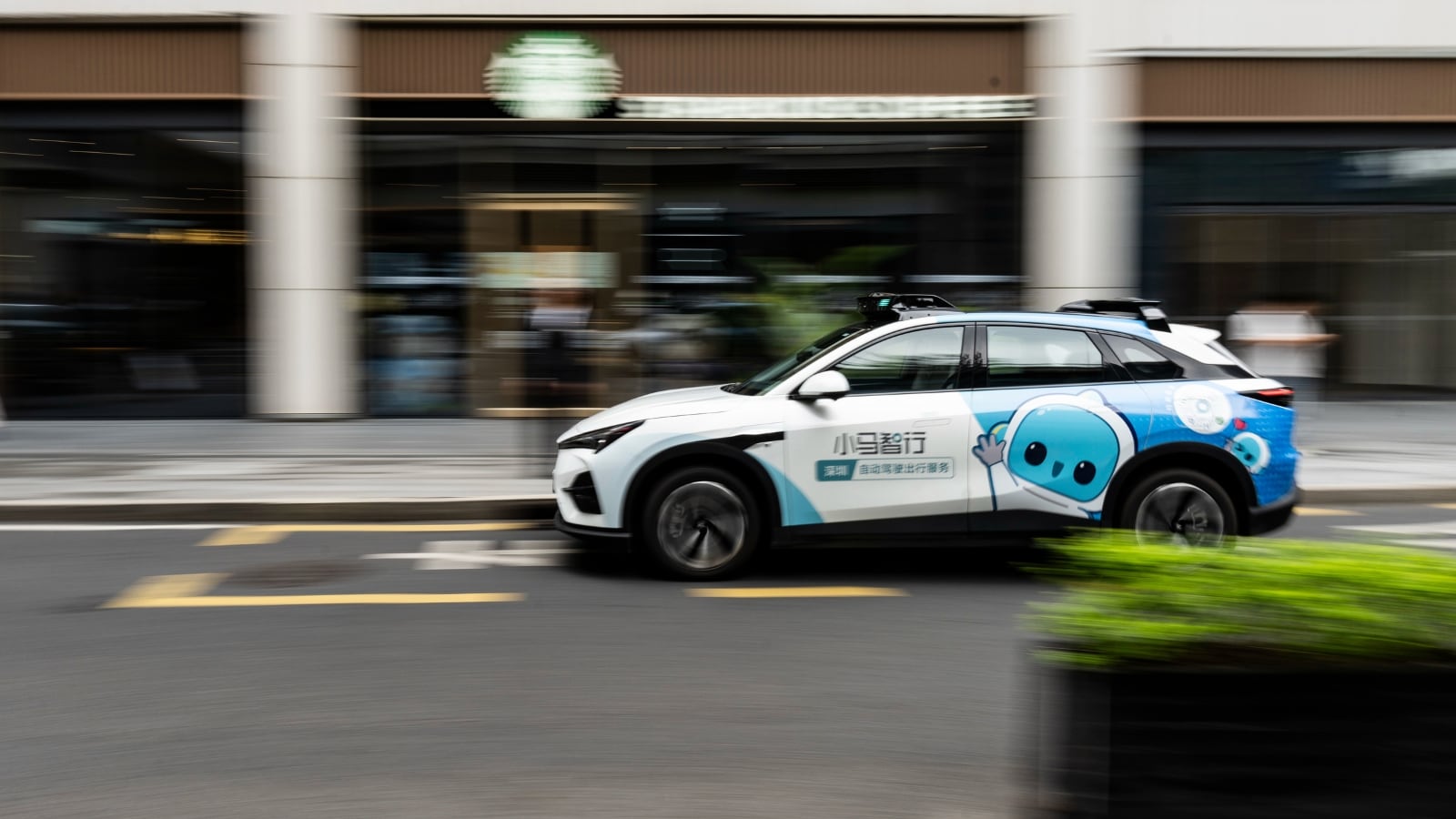
The tech stack replaced the cylinder count. Affluent buyers care about the chip running the infotainment system. They want dual Orin-X processors, LiDAR sensors embedded cleanly into the roofline, and operating systems that respond to voice commands across multiple distinct regional dialects simultaneously.
Western legacy executives often dismiss this shift as a localized nationalist trend, a temporary wave of domestic pride. That rationalization is a dangerous error. Chinese consumers are among the most demanding and technologically saturated buyers on the planet. They have lived through an explosive digitalization of daily commerce, payments, and urban infrastructure. They expect their automobiles to match the speed of their smartphones. European luxury sedans simply move too slowly.
The Cockpit Revolution
Step inside a high-end Chinese electric vehicle and the contrast with a legacy European counterpart becomes stark.
Cabin design in traditional luxury cars relies on physical buttons, analog clock faces, and dashboard layouts that have evolved incrementally over fifty years. Domestic Chinese luxury EVs strip the dashboard bare, replacing physical clutter with massive, hyper-responsive OLED screens that span the entire width of the console.
Crucially, the interior experience is treated as a living space rather than a cockpit. Buyers demand zero-gravity recline seats in the rear, built-in refrigeration units capable of freezing beverages, and entertainment systems that rival high-end home theaters.
Consider the Nio ET9 or the Yangwang U8 by BYD. These machines are packed with active suspension systems that can scan the road ahead and adjust individual dampers in milliseconds, smoothing out potholes before the tires make contact. They can perform tank turns, float across shallow water in emergencies, and park themselves via smartphone remote control in spaces so tight a human driver could not exit the vehicle.
European luxury brands offer impressive leather quality. Yet a fine piece of cowhide cannot update its user interface over the air on a Tuesday night. It cannot learn your preferred cabin temperature or adjust your suspension based on your driving style over the past six months.
Software velocity dictates market share. While traditional automakers take four years to roll out a minor infotainment refresh through a dealership network, domestic Chinese EV makers push out major system updates every few weeks. Bugs are squashed instantly. New features appear unprompted. The car you buy today is functionally inferior to the car you will own six months from now, because the software continually evolves.
The Geopolitical and Industrial Underpinnings
This domestic triumph was not an accident of nature. It was engineered through decades of deliberate industrial policy.
Beijing targeted the electric vehicle sector early, securing the supply chain from raw lithium mining and processing to cathode production and battery cell manufacturing. While Western automakers hesitated, weighed down by legacy investments in internal combustion and internal corporate politics, Chinese firms built an impenetrable battery ecosystem.
Battery cost dictates vehicle margin. Because domestic manufacturers control the supply chain locally, they can pack a vehicle with 100 kilowatt-hours of battery capacity, advanced semiconductors, and premium interior finishes while maintaining aggressive pricing structures that undercut European rivals by tens of thousands of dollars.
Even at the absolute top end of the market—where price sensitivity approaches zero—buyers are choosing domestic flagships because the hardware simply outclasses the imports. When a domestic vehicle offers superior ride comfort, faster acceleration, vastly superior autonomous driving capabilities, and an infotainment system that integrates seamlessly with local digital ecosystems like WeChat, AliPay, and domestic smart home networks, the foreign badge becomes an expensive liability.
The Global Spillover
The transformation of the domestic market carries profound implications for the global automotive order.
Domestic champions have conquered their home turf. Now they are looking outward. Shipping fleets of advanced, software-defined electric vehicles into Europe, Southeast Asia, Latin America, and the Middle East.
European regulators are scrambling to erect trade barriers, launching anti-subsidy investigations and slapping tariffs on Chinese-built electric vehicles. These protectionist measures buy time for legacy automakers, but time is the one commodity they are running out of. Tariffs do not solve the underlying technological deficit. They merely insulate uncompetitive factories behind artificial walls.
The traditional giants must re-architect their entire corporate DNA to survive. They cannot outsource their software development to traditional tier-one suppliers who deliver rigid, closed-source codebases. They need to build internal software engineering cultures that rival Silicon Valley or Shenzhen.
Most legacy executives recognize this reality behind closed doors. Speaking off the record, engineering leads at major European brands openly admit that their infotainment systems lag behind Chinese competitors by half a decade. Bridging that gap requires more than financial investment. It requires a cultural revolution within institutions that have spent a century prioritizing mechanical tolerances over line-by-line code.
The luxury car market has split into two distinct realities. One world clings to the dying prestige of heritage badges and mechanical pedigree. The other world moves at the speed of software, where the vehicle is a rolling supercomputer that redefines what mobility means for an affluent society.
The transition in China serves as a preview for the rest of the planet. When given a choice between an illustrious past and a vastly superior future, the market votes with its capital.