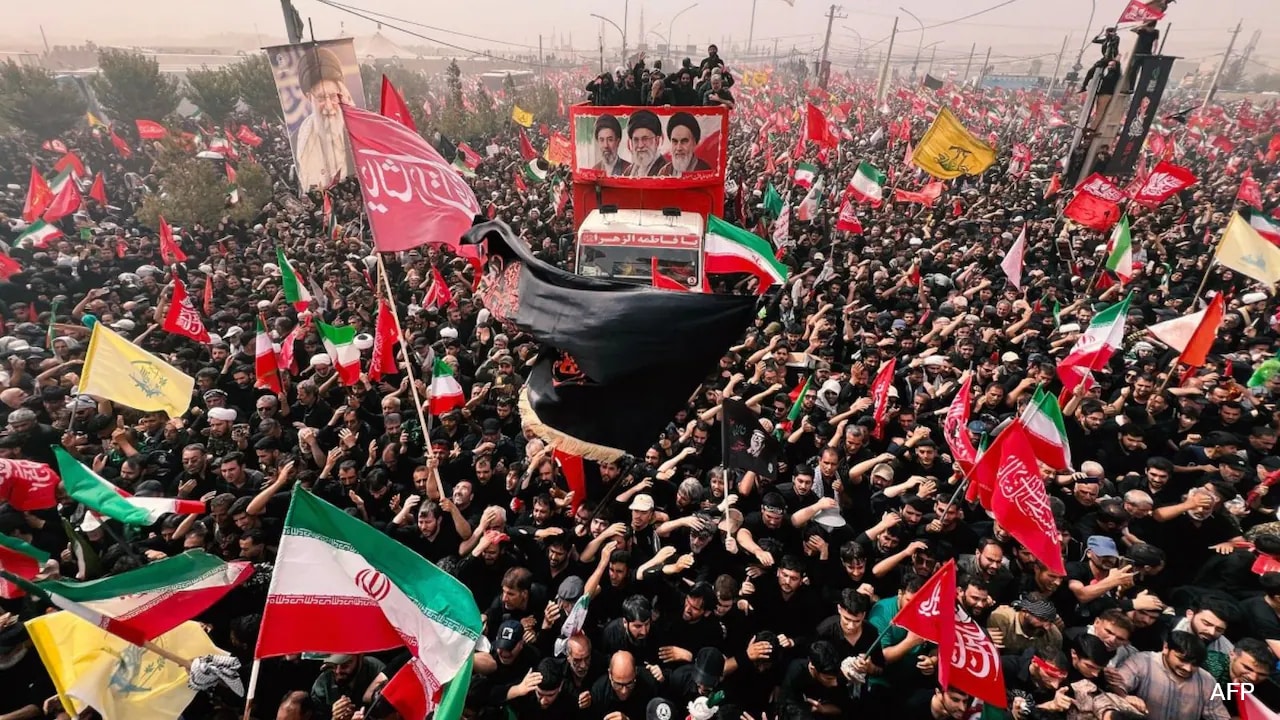
You can't write a script this chaotic. Thousands of grieving, chanting mourners crammed into the narrow, sweltering streets of Najaf and Karbala, pushing and shoving just to touch a glass-enclosed casket. Inside was the body of Ayatollah Ali Khamenei, the man who ruled Iran with an iron fist for 36 years. But while the crowds in Iraq beat their chests and wept, the actual sky above the Persian Gulf was lighting up with explosions.
If you think a funeral brings a temporary pause to a war, you don't know the Middle East.
While Iranian officials escorted Khamenei's flag-draped coffin through Iraq's holiest Shia sites, the US military was busy launching fresh airstrikes inside Iran. Why? Because Tehran just targeted commercial vessels in the Strait of Hormuz. Iran shot back by striking targets in Kuwait and Bahrain. So much for that fragile interim truce everyone hoped would end this months-long war.
Here is what went down, what the mainstream media is missing, and what this explosive week means for the region.
The Frenzy in Najaf and Karbala
The multi-day funeral procession crossed the border into Iraq, and the scenes were pure pandemonium. Najaf is one of the holiest cities for Shia Muslims worldwide. It's a place deeply tied to the identity of the Iranian regime. Khamenei's predecessor, Ayatollah Ruhollah Khomeini, lived and studied there during his exile.
When the truck carrying the late supreme leader's body arrived, the crowd lost control.
Senior scholar Muhammad Taqi al-Hakim led prayers at the iconic Shrine of Imam Ali. As pallbearers tried to move the coffin into the shrine, the sheer mass of people surged forward. Mourners threw themselves onto the glass casket. It got so bad that al-Hakim had to yell at the attendants, begging them to lower the coffin so it wouldn't drop to the pavement.
Later, the body moved to Karbala, the site where the Prophet Muhammad's grandson, Imam Hussein, was killed in 680 AD. In the brutal desert heat, thousands more gathered, waving Iranian flags alongside red and black flags symbolizing mourning and revenge.
"We, the people of Iraq, will remain a thorn in the eyes of the enemies," one attendee, Jaafar Jawad, told reporters.
But behind the displays of Shia solidarity, there was a glaring, awkward absence.
The Missing Successor
Where was Ayatollah Mojtaba Khamenei?
Iran's new supreme leader—elected by the Assembly of Experts just days after his father was killed in the massive February 28 US-Israeli airstrikes—was nowhere to be seen. You'd think a son and newly minted leader would be front and center for a historic procession like this.
He wasn't. Word on the street is that Mojtaba is still deep in hiding. He was reportedly wounded in the very same airstrike that killed his father, and the regime isn't taking any chances with his safety.
Instead, the political face of the funeral fell on Iranian President Masoud Pezeshkian and Foreign Minister Abbas Araghchi. They marched alongside Iraqi clerics, trying to project a image of strength and unity. But it's hard to look powerful when your top leader is too terrified of an American drone to show his face in public.
Why the Truce Broke Down
Let's look at the timing. Diplomatic talks to end the war between the US and Iran were supposedly on hold until after Khamenei was buried in his hometown of Mashhad. But neither side could wait.
The underlying issue is the Strait of Hormuz. Iran has been desperate to flex its muscles, attempting to choke off global shipping lanes to gain leverage. After Tehran struck three commercial ships in the strait, US Central Command decided it had seen enough. American jets pounded targets inside Iran to degrade their naval capabilities. At least 14 people died in those strikes.
Donald Trump claimed that Iran "wants to make a deal so badly," but his actions say otherwise. He immediately threatened "much worse" strikes if Iran touches another ship.
Iran didn't back down. They launched retaliatory missiles at Bahrain and Kuwait, completely shattering any illusion that the interim agreement would hold.
The Strategic Miscalculation
The Islamic Republic spent massive resources organizing this multi-day, cross-border spectacle. They wanted to show the world that the "Axis of Resistance" is united, steady, and popular. They wanted to bury Khamenei with his family members who died alongside him, utilizing the religious weight of Najaf, Karbala, and finally the Shrine of Imam Reza in Mashhad to legitimize the regime's survival.
They failed.
You can't hide the cracks. Back home in Iran, public reaction to Khamenei's death remains deeply split. While hardliners weep at the shrines, thousands of regular Iranians celebrated his assassination in the streets, fed up with decades of economic ruin and brutal crackdowns on protestors.
By launching attacks in the middle of their own supreme leader's funeral procession, the Iranian military thought they were showing defiance. Instead, they just proved to Washington that diplomatic deals with Tehran aren't worth the paper they're written on.
If you are tracking global energy markets or regional stability, look past the images of weeping crowds in Iraq. Keep your eyes on the Persian Gulf. The funeral is ending, the burial is happening in Mashhad, and the real war is about to crank right back up. Keep an eye on shipping insurance rates in the Gulf this week; they are about to skyrocket.