Every time a microphone gets shoved in a musician's face regarding a geopolitical flashpoint, the playbook rolls out like clockwork. Ed Sheeran nods along, Macklemore drops another impassioned verse, and politicians scramble to score points on either side of the divide. The media treats these pop-culture endorsements as seismic shifts in global diplomacy. It is nothing of the sort. It is a calculated exercise in brand preservation, masking a profound lack of actual risk behind a veil of curated righteousness.
We treat celebrity alignment as a moral compass because we are too lazy to build our own. When an arena headliner or a chart-topping rapper stakes out a position on a complex, centuries-old conflict, the narrative instantly devolves into a simplistic team sport. Fans cheer the perceived bravery, critics launch predictable boycotts, and the actual mechanics of the crisis are buried beneath a mountain of PR-vetted hashtags.
Let us dismantle the lazy consensus that celebrity backing changes the ground realities of international politics.
The Economics of Performative Stances
Look at the incentive structure. When a major public figure weighs in on a polarized issue, they are not acting out of spontaneous civic duty. They are managing a massive portfolio of intellectual property, endorsement deals, and global touring revenue.
I have watched public relations teams spend weeks stress-testing statements to ensure they hit the exact emotional sweet spot: edgy enough to generate viral sympathy, but calculated enough to avoid a permanent, market-crushing backlash. That is not courage. That is risk mitigation dressed up as conscience.
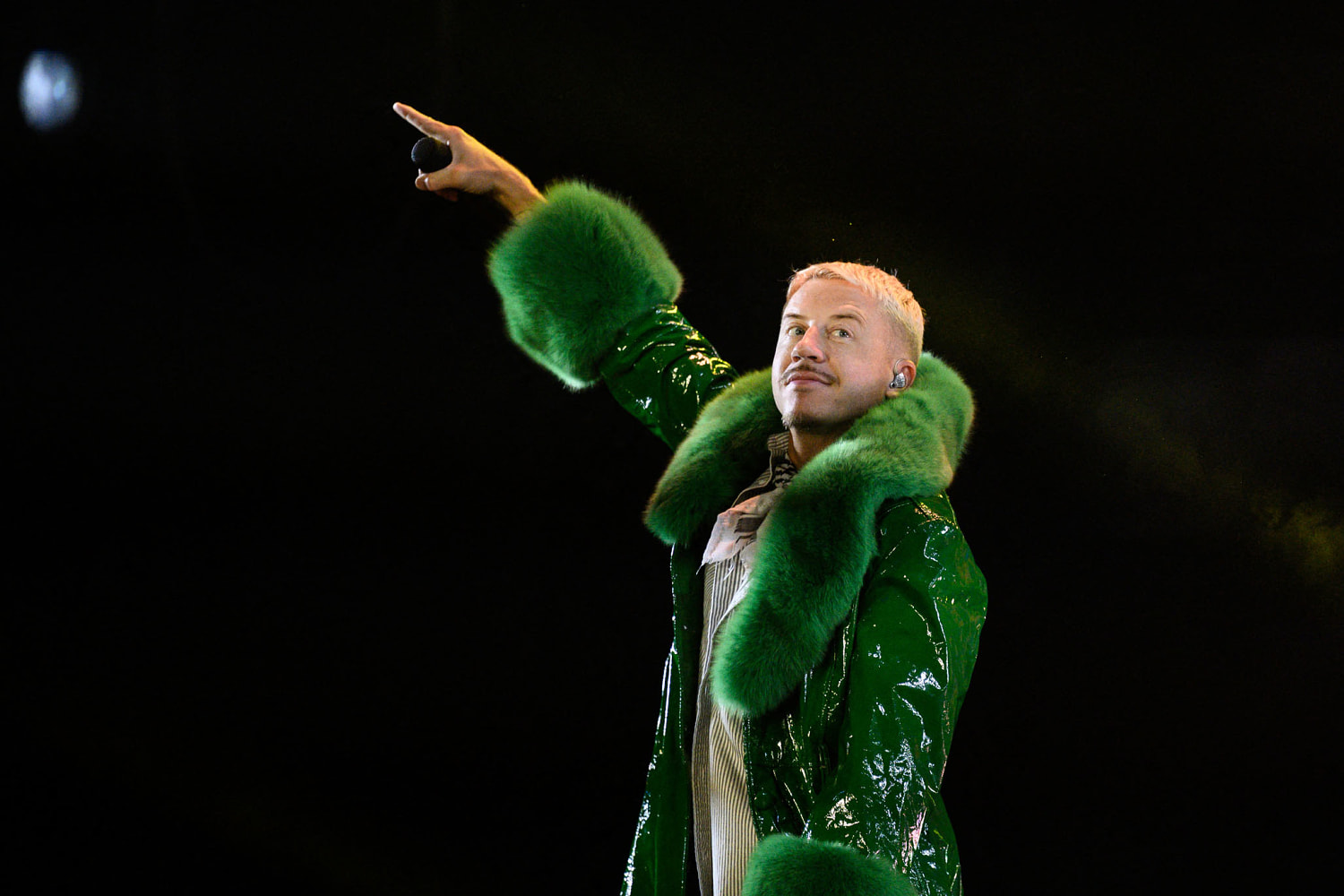
When Macklemore speaks on pro-Palestine platforms or politicians rush to validate or condemn those statements, they are playing a zero-sum game of attention economics. The politician gets a cheap news cycle to distract from domestic policy failures. The artist gets a fresh wave of streaming engagement from a demographic that rewards ideological alignment. The underlying human suffering on the ground remains entirely untouched by the exchange.
The Danger of Outsourcing Moral Clarity
The real damage is not that celebrity statements are fake. The damage is that we substitute them for rigorous thought.
When people treat a celebrity’s casual interview quote as a definitive moral stance, they abdicate their own responsibility to understand history, logistics, and power dynamics. We reduce a humanitarian catastrophe into a 30-second TikTok soundbite. We applaud the artist for "speaking out" while ignoring the structural economic and military realities that keep the conflict grinding forward.
Ed Sheeran is a generational songwriter. Macklemore has built a career on populist introspection. Neither of them possesses specialized expertise in Middle Eastern geopolitics, international humanitarian law, or regional security architectures. Treating their opinions as authoritative simply because they command large audiences is a category error of the highest order.
The Uncomfortable Truth About Global Impact
Here is the contrarian reality that nobody in the entertainment or political complex wants to admit: celebrity noise has a net-zero impact on the cessation of hostilities.
Governments do not alter military doctrines because a guy who sings acoustic love songs or a rapper with a billboard hit posts a graphic on Instagram. Weapons contracts are not cancelled because of a stadium chant. What actually moves the needle—slowly, painfully, invisibly—is grinding diplomatic pressure, economic leverage, and back-room negotiations led by people whose names will never grace a concert t-shirt.
When we focus our collective outrage and adoration on what celebrities say, we feed a distraction machine. We let politicians off the hook by turning legislative failures into pop-culture shouting matches. We reward performative empathy while actual policy disasters continue unabated.
Stop looking to the charts for your moral framework. Stop confusing a marketing strategy with a movement.
The next time a celebrity steps to a microphone to weigh in on a global crisis, do not ask if you agree with them. Ask why they are talking, who benefits from the distraction, and what you are ignoring while you watch the show.
Turn off the noise and look at the ledger.