Two and a half decades have passed since the morning of September 11, 2001, yet the individual moments of horror and miraculous survival inside the World Trade Center remain etched in global memory. While most retrospectives focus on the macroeconomic impact or political fallout, the human stories are what ground the tragedy. Among them is the harrowing experience of Brian Clark, a Canadian businessman whose escape from the 84th floor of the South Tower stands as one of the most remarkable accounts of survival from inside the impact zone.
If you look at how people usually talk about that day, you hear broad statistics. Nearly 3,000 lives lost, four hijacked planes, and a skyline altered forever. But zooming in on a single floor changes everything. Clark, a Toronto native working for Euro Brokers Inc., was at his desk when United Airlines Flight 175 struck the South Tower between floors 77 and 85. Out of the entire firm, 61 employees perished—nearly a fifth of the New York branch. Clark himself was one of only 18 people inside or above the impact zone of that tower to make it out alive.
The Choice on the Stairs
Most accounts gloss over the sheer confusion of the first few minutes. Panic doesn't look like a Hollywood movie; it looks like hesitation, disbelief, and debate. When Clark and a group of coworkers gathered to descend Stairwell A, they only made it down a few flights before encountering a blocked path and conflicting directions.
People were arguing about whether to go up or down. That split-second indecision kills.
While the group stood frozen, Clark heard a muffled scream for help coming from deep within the 81st floor. Ignoring the collective urgency to keep moving downward, he stepped away from the crowd to investigate. That single choice tethered his fate to Stanley Praimnath, a Fuji Bank employee who was pinned beneath heavy debris behind a collapsed wall.
Working Together in the Dark
Pulling someone out of concrete and twisted metal isn't clean work. Praimnath was trapped, his hands injured, struggling to find leverage. Clark didn't have professional rescue gear. He had his bare hands, adrenaline, and a desperate need to get out.
After several frantic attempts, Clark hooked his arms around Praimnath and dragged him clear of the wreckage. They didn't rush immediately; in fact, like many survivors, they experienced a strange cognitive dissonance, pausing briefly to make phone calls before realizing the full gravity of the situation.
They chose Stairwell A—the exact stairwell that miraculously remained structurally passable despite the carnage around them. Moments after escaping into the courtyard and moving just two blocks away, the South Tower began its catastrophic collapse. Clark’s skepticism about the building's structural integrity vanished in an instant as the concrete mountain came down behind them.
Why These Stories Still Matter
Decades later, why do we need to hear from survivors like Clark? Because history isn't written by monuments; it's carried by the people who lived through the smoke. Clark’s testimony before the 9/11 Commission exposed critical flaws in emergency communication systems, helping future planners understand how internal building structures fail during crises.
When you strip away the politics and the historical analysis, survival often boils down to split-second empathy. Clark stopped when he heard a voice. He didn't have to. That choice saved two lives on a day that took thousands.
Remembering these details keeps the history sharp. It reminds us that behind every terrifying headline from that September morning, ordinary people made extraordinary choices in the dark.
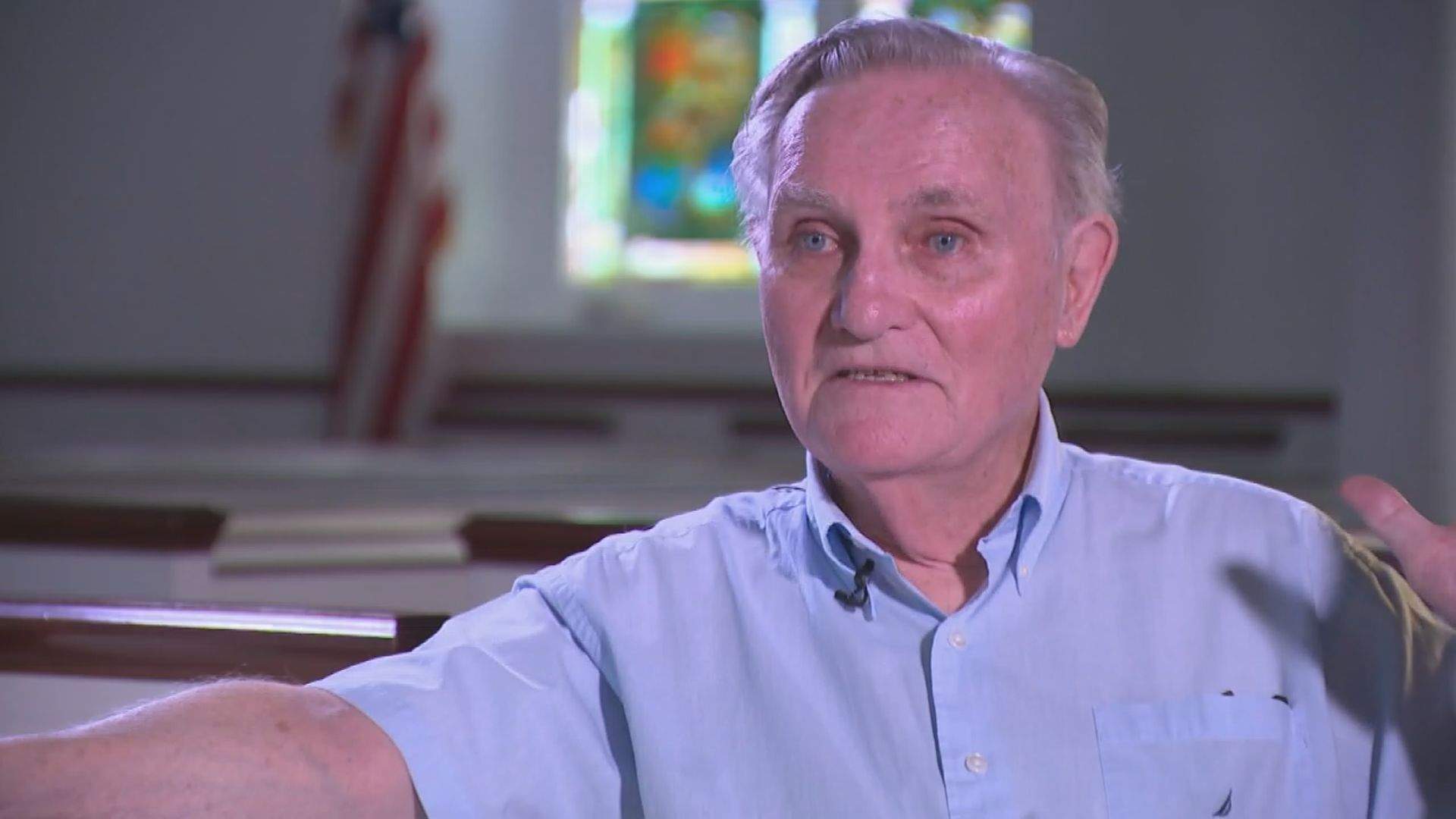
How One Canadian Survived 9/11 | The Agenda
This video provides an in-depth interview with Brian Clark detailing his minute-by-minute escape from the South Tower.
http://googleusercontent.com/youtube_content/1