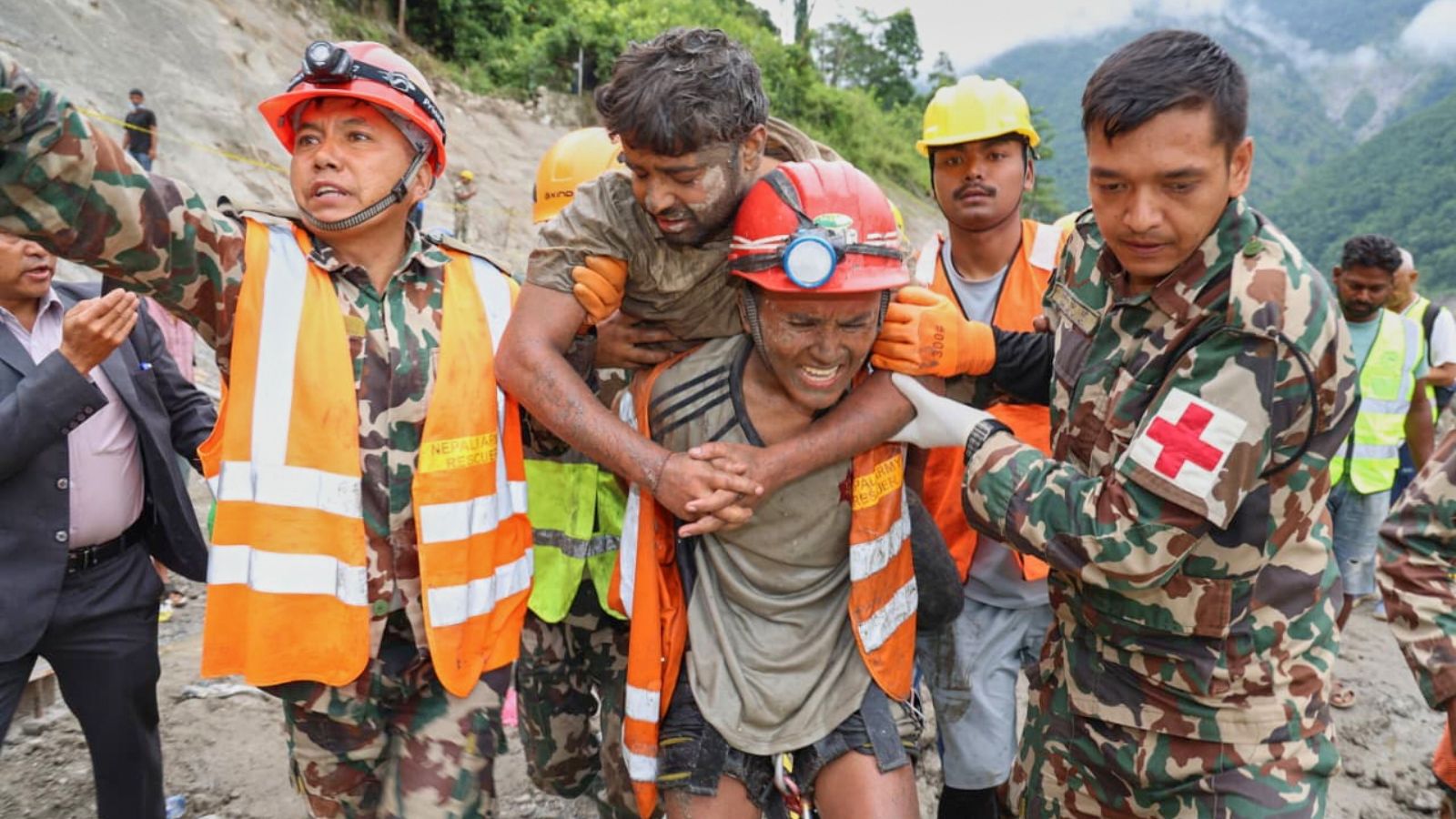
Two men walked out of a collapsed hydropower tunnel in Nepal nine days after a devastating glacial flash flood. The media called it a miracle. They are wrong.
Labeling human survival against catastrophic odds as a divine intervention or a statistical anomaly is an easy way out for bureaucrats and infrastructure planners. It shifts the narrative from engineering accountability to divine luck. When we categorize prolonged underground survival as a lottery win, we excuse the systemic design failures that let workers get trapped in pitch-black subterranean death traps in the first place, and we misunderstand the hard physics of human endurance.
Let us strip away the emotional varnish and look at the brutal logistics of what actually happened inside the Trishuli 3A project tunnel.
The Comforting Myth of the 48-Hour Survival Limit
Emergency responders and disaster experts love to quote hard deadlines. For decades, the textbook consensus dictated that trapped miners or tunnel workers face a strict physiological cliff. Dehydration kills you in three days; lack of oxygen or rapid-onset panic finishes you even faster. Military rescue specialists routinely state that disorientation sets in within twenty-four hours, followed by hallucinations and organ shutdown.
That dogma fails under specific micro-environmental conditions.
When a flash flood slams into a massive underground hydroelectric tunnel, it does not always fill the bore uniformly. Imagine a sealed subterranean tube segment acting as an isolated pressure vessel. If an air pocket is trapped behind an impermeable plug of dense mud and debris, you get a localized hyperbaric or stable atmospheric chamber. Water sources from seepage or residual piping provide hydration, while the surrounding rock mass buffers extreme temperature swings.
Sanjay Shah and Kabir Maharjan did not survive because the universe bent its own rules for them. They survived because their specific coordinates inside that four-kilometer conduit formed a freakish, self-sustaining life-support pod. Treating this as a repeatable miracle rather than a localized atmospheric anomaly is bad science.
The Fatal Flaw in Modern Subterranean Safety Protocols
Hydropower expansion across the Himalayas is booming, built on a rush of speculative capital and lax oversight. When an ice-rock avalanche triggers a multi-district deluge, developers shrug and call it an act of God.
It is not an act of God. It is a predictable consequence of building high-risk industrial architecture directly in the path of known glacial lake outburst flood channels without mandatory subterranean refuge chambers.
In standard maritime design, watertight bulkheads are non-negotiable. In aviation, black boxes and redundant emergency oxygen systems are baseline requirements. Yet, deep-tunnel construction projects routinely omit internal air-purifying safe rooms equipped with independent emergency rations, communication lines, and structural bulkheads.
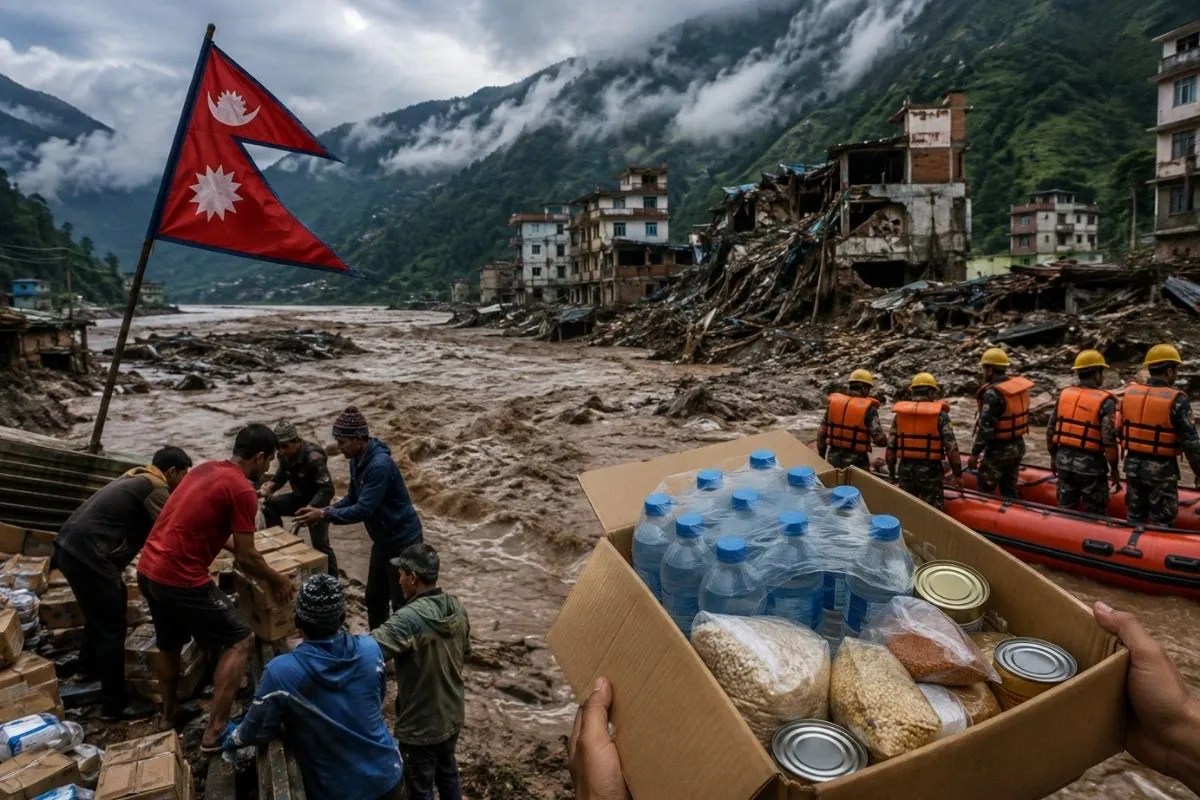
When the floodwaters tore down the Bhotekoshi River valley, hundreds of workers had zero fallback options because corporate risk models calculated that building robust underground life pods was too expensive. They gambled that a disaster wouldn't happen during operational windows, leaving workers to rely entirely on blind luck and the structural integrity of random drainage pipes.
Deconstructing the Rescue Narrative
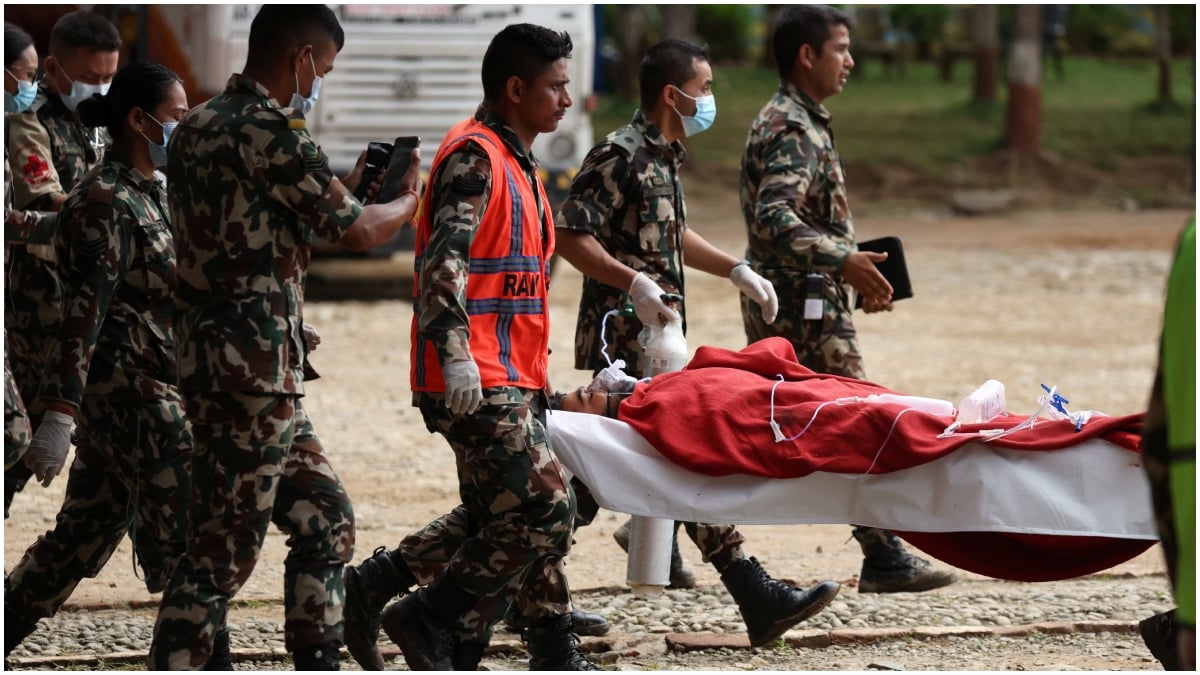
The headlines focus on the heartwarming reunions and the heroism of the joint army teams. Heroism is real here; soldiers boring through meters of dense sediment under unstable mountain conditions deserve every ounce of praise they get. But celebrating the rescue while ignoring the surrounding graveyard is journalistic malpractice.
Out of roughly nine hundred workers missing across multiple projects, hundreds remain entombed in mud-choked tubes. The discovery of two survivors has triggered a wave of unearned optimism among government spokesmen who claim that others might still be waiting out the clock.
Physiology dictates a harsher reality. The body can endure astonishing periods without food, and days without water if ambient humidity is high enough to slow transcutaneous moisture loss. But psychological degradation inside a pitch-black, flooded tomb destroys cognitive function long before physical starvation does. The human mind in total sensory deprivation eats itself. If other workers are alive, they are navigating a cognitive wasteland where hope and delirium bleed together. Relying on rescue teams to hear faint tapping through meters of reinforced concrete and silt is a desperate strategy, not an operational plan.
What Actually Needs to Change
Stop praising miracles. Start mandating structural redundancy.
If governments want to exploit fragile Himalayan watersheds for green energy, the regulatory price of entry must change overnight.
- Mandatory Subterranean Safe Havens: Every tunnel exceeding one kilometer must feature pressurized, flood-proof refuge bays stocked with thirty days of independent oxygen, water, and encrypted seismic beacons.
- Real-Time Hydrological Sensors: Glacial lake outburst monitoring systems must be tied directly to automated pneumatic blast doors that seal off subterranean intake zones the second abnormal discharge spikes upstream.
- Liability Shift: Make corporate boards criminally liable for worker safety omissions, shifting the cost calculus away from paying cheap fines toward investing in indestructible infrastructure.
The survival of two men after nine days is a testament to human resilience. It is also an indictment of an industry that treats worker survival as a lottery ticket. Until we stop treating structural negligence as bad weather, every tunnel rescue will remain a desperate race against a grave we dug ourselves.