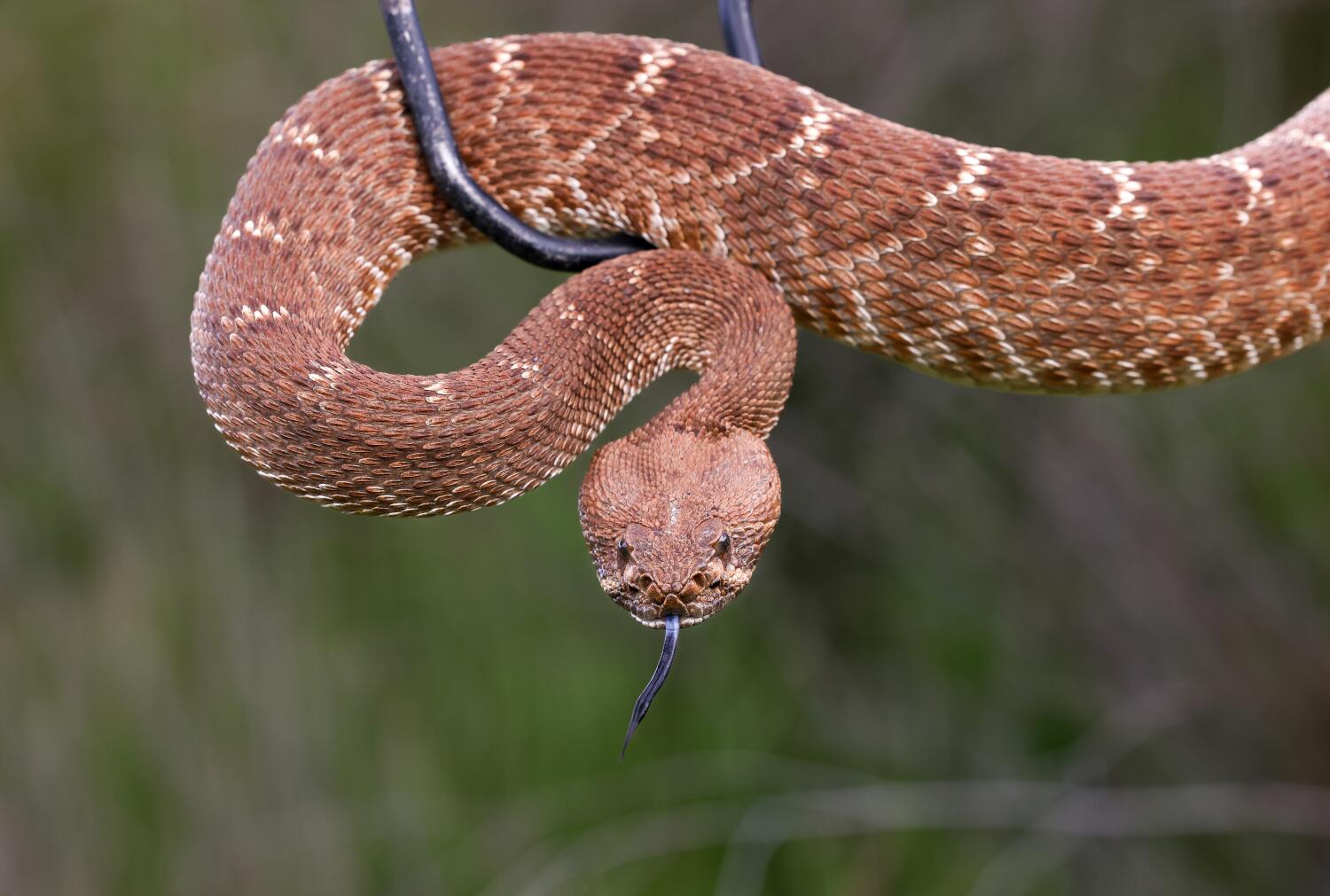
California's rugged trails just got a lot deadlier. A woman in San Diego County recently died after being bitten three times by a rattlesnake. She wasn't a novice. She wasn't poking the snake with a stick. She was simply in the wrong place at the wrong time. This tragedy marks the third snakebite fatality in the state this year. For a state that usually sees one or zero deaths annually, this is a massive red flag.
You've probably heard the old advice to just "leave them alone." While that's mostly true, it ignores the shifting reality of our environment. Climate change and urban sprawl are pushing humans and venomous reptiles into the same tiny slivers of land. We’re encroaching on their territory, and they’re getting defensive. If you think a quick stroll through the foothills is perfectly safe, you're kidding yourself.
Why rattlesnake encounters are turning fatal in 2026
The surge in deaths isn't just bad luck. It's a combination of biology and timing. Most people assume snakes are only active in the heat of the day. That's wrong. In many parts of California, rattlesnakes are becoming crepuscular or even nocturnal to avoid the blistering afternoon sun. This means they're out exactly when you're taking that "cool" evening hike.
When a snake bites three times, like in the recent San Diego case, it’s delivering a massive load of venom. This isn't just a "warning nip." It's a full-on defensive strike. The Northern Pacific and Western Diamondback rattlesnakes are the usual suspects here. Their venom is a nasty cocktail of hemotoxins that break down tissue and neurotoxins that can paralyze your breathing.
The sheer volume of venom matters. A single bite is a medical emergency. Three bites? That's a race against a very short clock. Medical experts at the California Poison Control System note that while deaths are rare, the severity of permanent tissue damage is skyrocketing. If you get hit, you aren't just looking at a hospital stay. You might be looking at losing a limb or permanent nerve damage.
The myth of the baby snake being more dangerous
Let's kill this myth right now. You’ve heard that baby snakes are more dangerous because they can't control how much venom they release. It’s a classic campfire story. It’s also mostly nonsense.
While it's true that neonates (babies) haven't learned "venom metering," an adult rattlesnake has a much larger reservoir. Think of it like this. A baby might give you 100% of its tiny tank, but an adult can give you 20% of its massive tank and still inject ten times more venom. Big snakes have longer fangs. They can penetrate deeper into your muscle tissue or even hit a vein. That's when things go south fast.
The San Diego victim was likely dealing with a mature snake. When an adult feels cornered, it doesn't hold back. We need to stop treating these animals like they're predictable. They’re wild. They’re stressed by the drought. They’re looking for water and shade just like we are.
What actually happens to your body after a strike
It’s not like the movies. You don't just gasp and fall over. It's a slow, agonizing process. Within minutes, the area around the bite starts to swell and turn a bruised, metallic purple. This is the hemotoxin eating your red blood cells.
- Your blood stops clotting.
- Your blood pressure drops through the floor.
- You might experience "fasciculations," which is a fancy word for your muscles twitching uncontrollably.
- Your throat starts to tighten.
The San Diego Natural History Museum reminds us that rattlesnakes don't always rattle before they strike. Evolution is actually favoring the quiet ones. Snakes that rattle get noticed by humans and killed. The ones that stay silent survive to pass on their genes. We're literally breeding a population of silent assassins.
How the medical system is failing snakebite victims
Hospital bills for a snakebite in California are astronomical. We’re talking $50,000 to $200,000 or more. Why? Because antivenom like CroFab or Anavip is incredibly expensive to produce and has a short shelf life. Most small clinics don't even carry it.
If you get bitten in a remote area, you’re looking at a helicopter ride. That's another $40,000. Many victims survive the bite only to face bankruptcy. It’s a systemic failure. We have the tech to save people, but the cost is a barrier that shouldn't exist. Plus, the timing is tight. You need that antivenom within the first "golden hour" to truly prevent long-term damage.
Stop doing these three things on the trail
I see people making the same mistakes every single weekend. Honestly, it's frustrating. If you want to avoid becoming the fourth death this year, change your habits.
First, stop wearing earbuds. If a snake actually does rattle, you won't hear it over your podcast. You need your senses sharp. Second, stay on the paved or heavily trodden path. Don't go "exploring" in the tall grass for a better Instagram photo. That's where they hide.
Third, and most importantly, stop hiking alone in remote areas without a satellite communicator. Cell service in the canyons is a joke. If you get bit and can't call for help, you're done. A Garmin InReach or similar device isn't a luxury anymore. It's basic safety gear.
The right way to react when you see a snake
If you see a snake, freeze. Give it a wide berth—at least ten feet. Snakes can strike at a distance of half their body length. Don't try to move it with a stick. Don't try to kill it. Most bites happen when people try to interact with the snake.
If you do get bitten, stay calm. I know, that sounds impossible. But a spiking heart rate just pumps the venom through your system faster.
- Do NOT use a tourniquet. It traps the venom in one place and guarantees you lose that limb.
- Do NOT try to suck the venom out. You aren't in a Western movie.
- Do NOT apply ice. It constricts blood vessels and makes the local tissue damage much worse.
Instead, keep the limb at heart level and get to an ER immediately. Remove any rings or watches because the swelling will be massive and fast.
Actionable steps for your next California hike
Don't let fear keep you inside, but don't be a statistic. Check the "Recent Sightings" on apps like iNaturalist before you head out. These communities track where snakes are being spotted in real-time.
Wear high-top leather boots and loose-fitting long pants. They aren't foolproof, but they can deflect a "dry bite" or reduce the depth of a strike. Carry a sharpie in your pack. If bitten, circle the site and write the time on your skin. This helps doctors track the spread of the venom.
California's nature is beautiful, but it's indifferent to your survival. Treat the trails with the respect they demand.