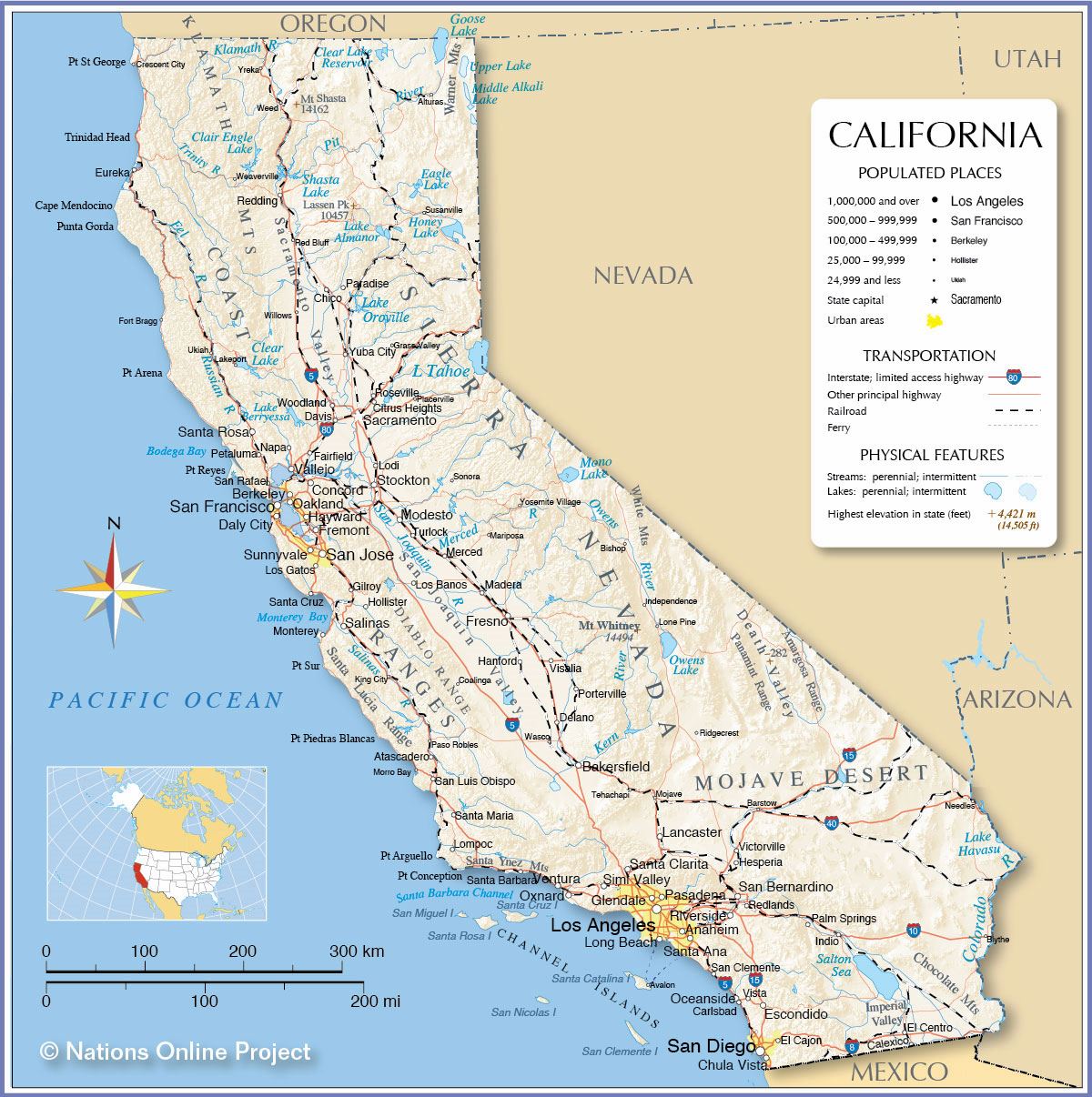
The smoke rising over Southern California is more than a natural disaster. It is a recurring indictment of a system that prioritizes reactive spending over structural survival. As brush fires tear through the parched canyons of the Southland, triggering immediate evacuation orders and sending thousands of residents fleeing with whatever they can pack into a sedan, the narrative remains focused on the flames. We watch the air tankers. We track the acreage. We wait for the containment percentage to tick upward.
But the true story lies in why these fires remain so explosive despite billions of dollars in mitigation efforts. The current crisis is the result of a collision between shifting weather patterns and a power grid that was never designed for the heat it now endures. It is a failure of urban planning that allows homes to be built in the direct path of historical burn scars. When the wind kicks up and the humidity drops into the single digits, Southern California isn't just dealing with weather; it is dealing with the consequences of decades of deferred maintenance and shortsighted land use.
The Wind and the Wire
The mechanics of a modern Southern California brush fire are well-understood but rarely addressed at the root. Most high-intensity events are driven by the Santa Ana winds—high-pressure systems over the Great Basin that push air toward the coast. As that air descends through mountain passes, it compresses and heats up. This creates a hair-dryer effect that sucks every last drop of moisture out of the chaparral.
In this environment, a single spark is no longer just a localized accident. It is an ignition event for a landscape that has become a tinderbox. While lightning or human error can provide that spark, the electrical grid remains a persistent culprit. Utilities have spent years "hardening" their equipment, but thousands of miles of bare wire still hang over dry vegetation. When those winds gust over 60 miles per hour, wires slap together or trees fall across lines.
The strategy of Public Safety Power Shutoffs (PSPS) was supposed to solve this. By cutting the power before the wind hits, utilities theoretically remove the ignition source. However, this creates a secondary crisis. People with medical needs lose power. Communications go dark. Water pumps that firefighters rely on can fail. It is a crude tool used because the more permanent solution—undergrounding the lines—is prohibitively expensive and would take decades to complete. We are essentially choosing between the risk of a catastrophic fire and the certainty of a crippled infrastructure.
The Wildland Urban Interface Trap
We have built ourselves into a corner. The area where residential development meets undeveloped wildland is known as the Wildland-Urban Interface, or WUI. This is the front line of the fire war. For years, the demand for housing has pushed development further into the hills, into areas that have burned periodically for thousands of years.
Building a home in a canyon is a calculated risk that often ignores the physics of fire. Fire moves faster uphill. It creates its own weather. When a subdivision is placed at the top of a ridge, it sits in the direct path of the "chimney effect," where heat and flames are funneled upward with incredible velocity.
California has some of the strictest building codes in the world regarding fire resistance. New homes are built with ember-resistant vents, non-combustible siding, and tempered glass. These measures work. But the problem is the millions of homes built before these codes existed. A single older home with a wood-shake roof or open eaves can catch fire from a blowing ember miles away from the main front. Once that house ignites, it becomes a new fuel source. The fire stops being a "brush fire" and becomes an "urban conflagration," jumping from rooftop to rooftop.
Defensible Space is a Misunderstood Concept
Homeowners are told to clear 100 feet of brush around their properties. This is vital, but it is often performed incorrectly. Clearing to bare dirt can actually increase erosion and allow invasive, highly flammable grasses to take over. The goal isn't to remove all life; it's to create a break in the "fuel ladder."
If a fire is on the ground, it is manageable. If it climbs into the trees or onto the roof, it is lost. By removing low-hanging branches and thinning out dense clusters of shrubs, you prevent the fire from climbing. Yet, even with perfect defensible space, a house can burn from the inside out. Wind-driven embers are the real killers. They find their way into attic vents or under decks, smoldering for hours before erupting into flames.
The Cost of the Fight
The financial burden of these fires is staggering, and the way we pay for them is fundamentally broken. Emergency fire suppression is funded through a "blank check" approach. When a fire breaks out, the state and federal governments spend whatever is necessary to stop it. This is necessary, but it drains resources that could be used for prevention.
We spend billions on helicopters, retardant, and seasonal crews. We spend a fraction of that on controlled burns or mechanical thinning of forests. This creates a "suppression paradox." By putting out every small fire immediately, we allow the brush to grow thicker and more dense. When a fire finally escapes control during a wind event, it has so much fuel that it becomes unstoppable.
Insurance Markets in Freefall
The business of living in California is changing because the math no longer adds up for insurance companies. Major carriers have stopped writing new policies in the state, and many are refusing to renew existing ones in high-risk zones. This isn't just a problem for wealthy homeowners in Malibu. It affects middle-class families in the Inland Empire and the Sierra foothills.
The state-mandated FAIR Plan, which is the insurer of last resort, is being stretched to its breaking point. It was never intended to be the primary insurer for entire zip codes. If a truly massive fire hits a densely populated area, the liability could exceed the plan's capacity, leading to a financial crisis that mirrors the physical one. We are watching the slow-motion collapse of the suburban dream in real-time, driven by the heat of the climate and the cold reality of actuarial tables.
The Technological Mirage
There is a tendency to look toward technology as a savior. We have satellites that can detect a heat signature within minutes of ignition. We have AI-powered cameras perched on mountaintops that scan the horizon for smoke. We have "Super Scooper" planes that can drop thousands of gallons of water in a single pass.
These tools are impressive, but they are not a cure. Technology improves response time, but it does nothing to change the conditions on the ground. A drone can tell you where a fire is, but it cannot clear the dead brush from behind a house. A sophisticated model can predict where the wind will blow, but it cannot upgrade an aging transformer.
The reliance on high-tech solutions often masks the need for low-tech labor. The most effective way to protect a community is still the backbreaking work of hand crews cutting fire lines and homeowners cleaning their gutters. There is no app that replaces a chainsaw and a rake.
The Evacuation Bottleneck
When the orders come down, the reality of Southern California’s geography becomes a trap. Many of the communities most at risk are served by narrow, winding roads that were never designed for a mass exodus. During a fast-moving fire, these roads become choked with vehicles, horse trailers, and emergency equipment.
We saw this in Paradise, and we see the echoes of it in every major Southern California incident. If the fire moves faster than the traffic, the results are lethal. The "Leave Early" mantra is the only viable strategy, yet many residents wait until they see flames. This delay isn't just a personal risk; it clogs the arteries that firefighters need to access the area.
Effective evacuation requires more than a push notification on a smartphone. It requires a level of community organization that is often lacking in transient or highly private neighborhoods. Knowing your neighbors and having a pre-planned exit route that doesn't rely on GPS—which can fail when cell towers burn—is the difference between getting out and getting stuck.
Reimagining the Landscape
If we are to live in Southern California, we have to stop treating fire as an unexpected intruder and start treating it as a permanent resident. This means a radical shift in how we manage land.
- Infill over Expansion: Stop permitting new subdivisions in high-risk canyons and focus on density in existing urban cores.
- Infrastructure Undergrounding: Prioritize the burial of power lines in high-wind corridors, regardless of the cost. The cost of a single destroyed city exceeds the cost of the wire.
- Prescribed Fire: Accept that smoke in the winter from controlled burns is better than a catastrophe in the summer.
- Microgrids: Develop local power sources that can keep essential services running during PSPS events, reducing the impact of grid shutdowns.
The current fire in Southern California will eventually be contained. The smoke will clear, and the news crews will move on. But the fuel remains. The wind will return. Until we stop treating fire as a series of isolated emergencies and start addressing it as a systemic failure of infrastructure and planning, we are simply waiting for the next spark to land.
The era of easy living in the wildland is over. The bill has come due, and it is being paid in ash.