Two million barrels sounds catastrophic. Until you do the math.
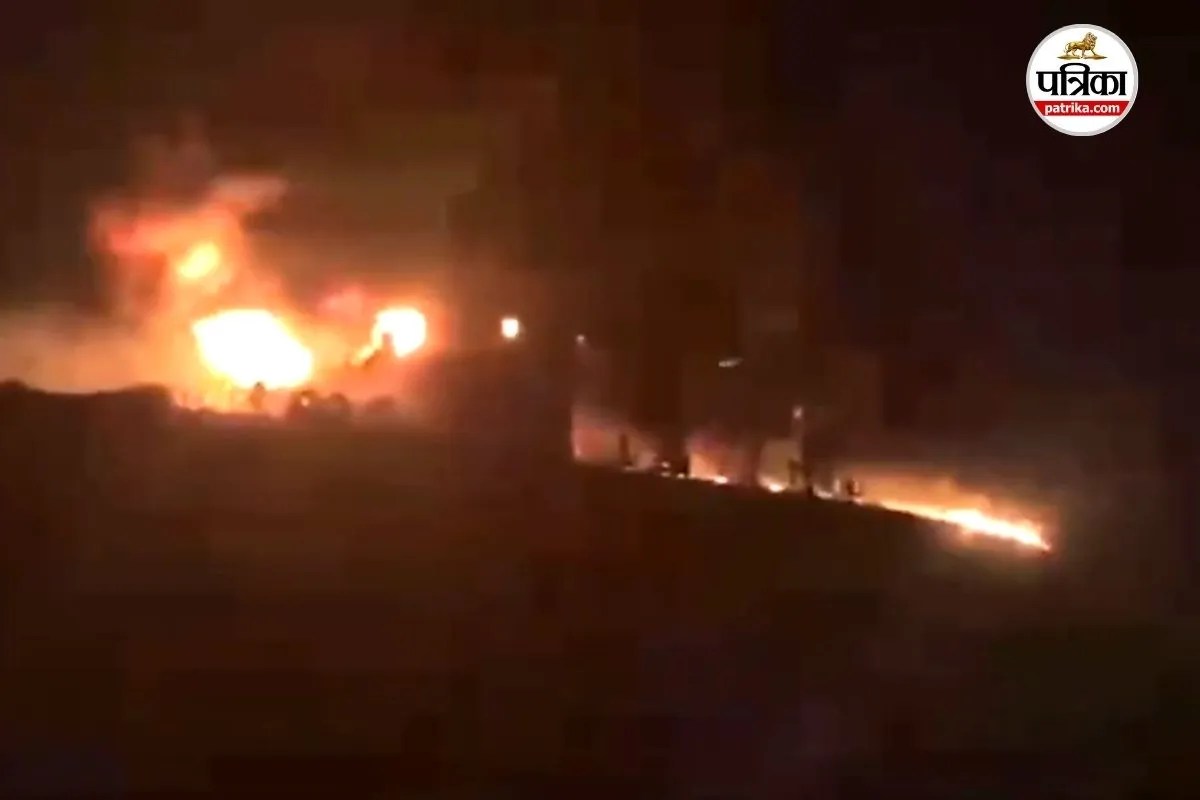
A Very Large Crude Carrier—a VLCC—carrying roughly two million barrels of crude hits a naval mine in the Strait of Hormuz. There is a detonation. Flames rise from the hull. Within minutes, sensational headlines proclaim a chokepoint collapse, a supply shock, and the imminent return of triple-digit crude.
It is theater. Loud, terrifying, visually arresting theater.
The lazy consensus in every rush-to-publish breaking-news story on a supertanker mine strike in Hormuz follows the exact same script. Hit ship equals severed artery. Severed artery equals global shortage. Global shortage equals immediate price spike that stays elevated until warships clear every square meter of the Persian Gulf.
That script confuses a localized maritime incident with a systemic supply failure.
I have watched trading desks and corporate procurement teams blow millions of dollars reacting to the first headline out of the Gulf rather than the physical mechanics underneath it. Panic hedging at the peak of an emotional spike has burned more balance sheets than actual physical disruptions in the Middle East. Knowing the difference between a headline shock and a structural choke is the only edge that matters when mines enter the water.
Defining Terms Before Anyone Panics
A VLCC (Very Large Crude Carrier) typically hauls around two million barrels of crude oil. That sounds massive on a single deck. Put it in context and the scale shifts immediately.
Global petroleum and liquid fuels consumption sits above 100 million barrels per day. Roughly a fifth of global petroleum liquids transit the Strait of Hormuz on an average day—a figure routinely cited by the U.S. Energy Information Administration (EIA). Two million barrels is roughly two percent of a single day of global demand, or about ten percent of one day's Hormuz throughput.
Even a severe, sustained restriction in the Strait of Hormuz is not the same thing as a single mined vessel catching fire. A mined supertanker is a localized kinetic event involving hull integrity, cargo containment, salvage logistics, and marine war-risk insurance. A true supply crisis requires persistent volume removal that outstrips spare production capacity, commercial inventories, strategic reserves, and rerouting options.
Two common misunderstandings distort almost every conversation around Hormuz incidents:
- Equating a single hit ship with a closed strait. One damaged hull does not physically seal a waterway roughly 21 miles wide at its narrowest point, with shipping lanes typically only two miles wide in each direction. Traffic slows. Re-routing happens. Insurers reprice risk. That is friction, not an automatic total blockade.
- Treating crude oil as a single monolithic barrel. Sour crude from the Persian Gulf has specific sulfur and gravity profiles suited to complex refineries. Losing or delaying a specific cargo affects refinery slate optimization and crack spreads long before it creates a literal shortage of all hydrocarbons everywhere.
The Wrong Question Everyone Asks
When a supertanker takes a mine in Hormuz, almost everyone asks the same question: How high will oil prices go tomorrow?
That is the wrong question. Price action in the first twenty-four to seventy-two hours after a maritime blast is driven heavily by algorithmic momentum, fear positioning, and war-risk premiums—not settled physical balances.
The right question is this: Does this incident alter physical barrels delivered to refineries over the next thirty to ninety days, and can existing buffers absorb the friction?
Consider a thought experiment. Imagine a scenario where a single VLCC carrying two million barrels strikes a moored or drifting mine near the shipping lanes, suffers an engine-room or cargo-tank fire, and is towed out of the main fairway while remaining afloat. Nearby tankers alter course. Several owners pause transit for forty-eight hours to assess threat levels. Within three days, naval mine-countermeasure vessels sweep the corridor, escorts tighten, and most scheduled voyages resume. In that scenario, two million barrels are delayed or partially lost, insurance rates jump, and media coverage goes into overdrive—yet global refinery runs barely blink because floating storage, transit barrels already at sea, and onshore commercial stocks bridge a brief delay.
Contrast that with a different thought experiment. Imagine a scenario where repeated mining incidents, anti-ship threats, or sustained kinetic attacks force major tanker operators to halt transit for weeks while alternative export pipelines run near capacity. Only then does a localized maritime hazard turn into a genuine physical balance problem.
Confusing those two scenarios is how amateurs get wiped out.
What "People Also Ask" Gets Wrong
Can a single naval mine close the Strait of Hormuz?
No. A single mine can sink, disable, or set fire to a vessel, creating a localized hazard and a psychological shockwave. Physically sealing a major maritime strait requires sustained military capability, persistent threat density, or an actual sunken obstruction directly blocking a narrow channel—and even then, maritime authorities and salvage crews work aggressively to maintain navigable routes. Fear closes lanes faster than one mine does.
Does a burning supertanker automatically cause an oil shortage?
Not by itself. Two million barrels is a large single cargo, not a global shortfall. A shortage emerges when supply losses persist over time without sufficient offset from spare capacity (historically concentrated in producers like Saudi Arabia and the UAE, as tracked by the IEA and EIA), strategic petroleum stocks, or demand destruction. A fire on one ship is a tragic and costly maritime accident, not an instant global depletion.
Should refiners and buyers immediately lock in emergency supply at any cost?
Panic-buying into a vertical spike is one of the fastest ways to overpay. Spot spikes driven by headline shock often retrace once physical flows prove resilient or diplomatic and naval responses contain the immediate threat. Disciplined buyers separate verified cargo losses and route closures from knee-jerk futures surges.
How Real Markets Actually Absorb a Shock
To understand why a mined supertanker rarely breaks the global oil system on its own, look at the shock absorbers sitting between a wellhead in the Gulf and a fuel pump or petrochemical plant thousands of miles away.
| Shock Absorber | What It Actually Does | Where It Falls Short |
|---|---|---|
| Waterborne Transit & Floating Storage | Millions of barrels are already in motion or held at sea at any moment, buffering short delays in departure or transit. | Does not cure a multi-month blockade of major export terminals. |
| Commercial & Strategic Inventories | Onshore crude and product stocks—including strategic reserves held by major economies—cushion temporary supply hiccups. | Draws down finite reserves if geopolitical tension drags on for quarters rather than weeks. |
| Bypass Pipelines & Alternative Origins | Land pipelines (such as Saudi Arabia's East-West pipeline or the UAE's ADCOP line) and non-Gulf producers can shift some volume. | Cannot replace 100% of Hormuz flow overnight; capacity and crude-grade matching have limits. |
| Marine Insurance & Freight Markets | War-risk underwriters and charterers price danger immediately via higher premiums and longer transit times. | Raises costs for everyone even when physical barrels still get through. |
Notice what happens in that table. The market does not rely on hope. It relies on buffers, alternative routes, and price signals.
When a mine detonates, war-risk insurance and tanker freight rates react almost instantaneously. Shipowners demand higher compensation for entering a contested zone. Refiners watching delivery schedules start checking alternative crudes from West Africa, the Americas, or the North Sea.
Yet physical crude markets are remarkably adaptable when given days rather than minutes. Refineries adjust crude blends. Traders reroute cargoes already on the water. Producers and policymakers weigh whether release mechanisms or diplomatic de-escalation are warranted. The system bends; it does not automatically snap because one hull is on fire.
The Battle Scars of Chasing Headline Risk
I have seen commodity desks and industrial buyers get shredded by headline-driven oil spikes time and again.
In real-world crises across the Middle East—whether tanker attacks, pipeline sabotage, or regional escalations—the same pattern repeats. Minute one brings dramatic footage and breathless commentary predicting an immediate supply cliff. By day four or day ten, traders realize no permanent blockade has taken hold, physical barrels are still moving or rerouting, and the initial risk premium begins to bleed out of the curve.
Those who chase the first spike at the top of the candle end up holding expensive hedges or high-cost inventory just as volatility cools. Meanwhile, the desks that stay calm, verify actual vessel AIS movement and port liftings, and wait for confirmation of real physical restriction avoid getting played by emotional positioning.
Analysts at institutions like the International Energy Agency (IEA) and major energy consultancies have spent decades documenting how geopolitical risk premiums behave: they surge on uncertainty and fade when physical availability holds up. Ignoring that empirical track record in favor of pure adrenaline is an expensive habit.
Where My Contrarian View Can Hurt You
Being contrarian for its own sake is lazy. Being contrarian without acknowledging risk is reckless.
Here is where betting that a Hormuz mine incident will stay contained can go badly wrong:
- Escalation chains are non-linear. A single mine can be an isolated accident or an opening move in a broader campaign involving additional mines, drones, missiles, or retaliatory strikes. What looks contained on Tuesday can spiral by Friday.
- The "boy who cried wolf" trap. Because many Middle East flare-ups end up being less catastrophic than cable news predicts, a trader or buyer who dismisses every warning will eventually get caught offside on the rare occasion a real, prolonged disruption takes hold.
- Second-order bottlenecks hurt even without a blockade. Even if ninety percent of oil still flows, surging war-risk insurance, delayed crew rotations, damaged port infrastructure, or refinery hiccups can squeeze regional margins and create sharp localized dislocations.
Respecting the downside does not mean surrendering to hysteria. It means sizing risk for escalation while refusing to pay a panic tax before physical facts justify it.
Actionable Moves When Mines Hit the Water
If you manage energy exposure, trade commodities, or run operations sensitive to fuel and freight costs, skip the noise and execute a disciplined checklist:
- Audit physical exposure before touching futures. Map out exact crude grades, delivery windows, and freight terms you actually rely on. A delay in a specific sour crude load matters far more to a complex refiner than generic headline chatter.
- Watch physical indicators, not just front-month headlines. Track actual tanker transit behavior, war-risk insurance announcements, refinery crack spreads, and calendar spreads (backwardation versus contango) rather than relying on dramatic adjectives.
- Separate tactical hedges from strategic positioning. If you need short-term protection against a spike widening into a broader conflict, use defined-risk structures or staged tranches rather than going all-in at peak panic.
- Stress-test for duration, not just a single blast. Ask how your balance sheet or supply chain handles a two-week delay versus a two-month disruption. Plan around timelines, not explosions.
A two-million-barrel supertanker burning after a naval mine strike in Hormuz is a serious maritime event with real human and financial stakes. It is not automatic proof that the global oil tap just turned off.
Read the water, check the math, and never let a single smoking hull do your thinking for you.


