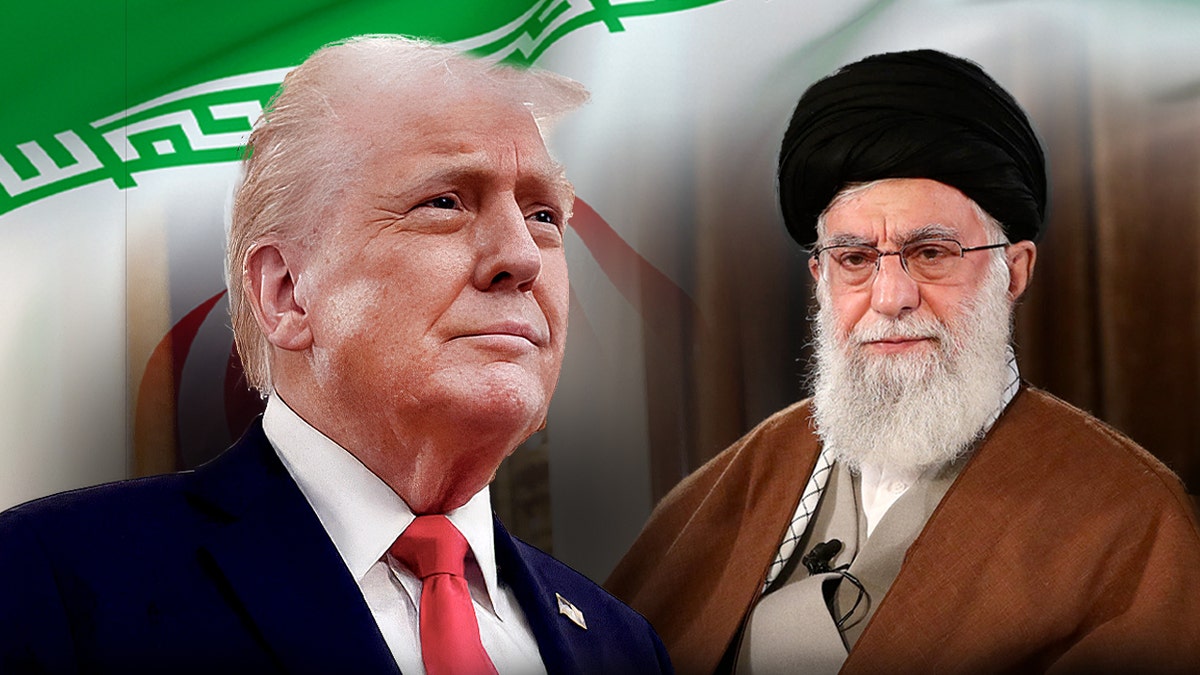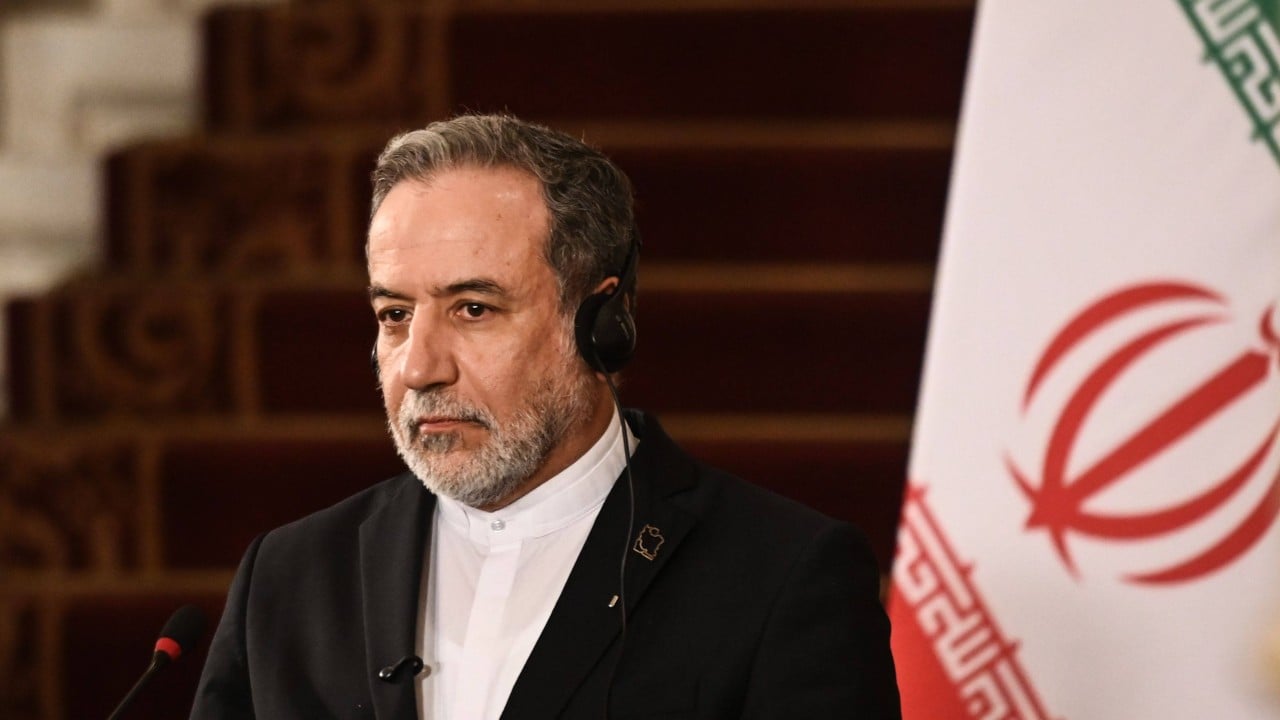
Donald Trump spent the morning of April 21, 2026, telling the world to prepare for "lots of bombs." By the afternoon, the bombs were shelved, and a fragile ceasefire was extended indefinitely. This whiplash is not just the result of a mercurial president; it is the byproduct of a high-stakes geopolitical squeeze involving a fractured Iranian regime, a desperate Pakistani mediation effort, and a looming shadow confrontation with China.
The primary driver for the sudden shift was a direct appeal from Islamabad. Pakistani Prime Minister Shehbaz Sharif and Army Chief Asim Munir reportedly convinced the White House that resuming airstrikes now would incinerate the only remaining bridge to a peaceful resolution. Trump’s "reversal" is less an act of indecision and more a calculated pause to let the Iranian government finish tearing itself apart from within.
The Islamabad Gambit
Pakistan finds itself in the unenviable position of being the buffer zone for a regional meltdown. With Vice President JD Vance’s scheduled trip to Islamabad abruptly canceled, the diplomatic stakes reached a breaking point. The Pakistani leadership is not acting out of pure altruism; they are terrified of the refugee surge and economic contagion that a full-scale American campaign against Tehran would trigger on their western border.
Trump’s decision to grant an extension hinges on a specific condition. He is waiting for a "unified proposal" from Tehran. This is a difficult ask. The Iranian leadership is currently split between pragmatists, led by Parliament Speaker Mohammad Bagher Ghalibaf, and the iron-fisted ideologues of the IRGC under General Ahmad Vahidi. By delaying the strikes, the U.S. is effectively forcing these two factions to fight for the soul of the state in a public arena.
The Blockade Stays Put
While the bombs aren't falling, the air is hardly clear. The U.S. naval blockade of Iranian ports remains in place, a move the Iranian Foreign Ministry has branded an "act of war." This is the core of the Trump strategy: maximum pressure without the immediate expenditure of munitions.
The U.S. Navy recently demonstrated the reach of this policy by interdicting the oil tanker Tifani in the Bay of Bengal. This wasn't just a routine seizure. It was a signal to every global capital that the American "cordon sanitaire" around Iran extends far beyond the Strait of Hormuz. The message is clear: the ceasefire applies to the sky, but the sea is still a battlefield.
China’s Shadow Over the Strait
Beijing is the silent protagonist in this drama. While the White House focuses on Tehran, the real friction is with President Xi Jinping. China relies on Middle Eastern energy to fuel its industrial machine, and the shuttering of the Strait of Hormuz has sent shockwaves through the Shanghai and Shenzhen exchanges.
Evidence has surfaced of Chinese-made YLC-8B anti-stealth radar systems being deployed on Iranian soil. There are also persistent reports that Beijing is providing real-time satellite intelligence to help Tehran’s "Axis of Resistance" track U.S. naval movements. For Trump, the Iran conflict is becoming a proxy war against Chinese influence in the Global South.
With a high-profile summit between Trump and Xi scheduled for next month, the Iran ceasefire serves as a critical piece of leverage. Trump is essentially holding the regional thermostat. He can turn the heat up or down depending on how much cooperation he gets from Beijing on trade and tech transfers.
The Infrastructure of a Stalemate
The military reality on the ground contradicts the hopeful tone of Pakistani mediators.
- U.S. Missile Deployments: Launchers at Al Udeid airbase in Qatar have been moved to high-readiness status.
- Iranian Redeployments: The IRGC has moved its mobile missile batteries into hardened silos along the Zagros Mountains.
- Regional Fallout: Hezbollah recently broke a separate ceasefire with Israel, launching drone strikes that the IDF met with immediate retaliatory fire.
This is not a peace process; it is a tactical reset. The "indefinite" nature of the extension is a misnomer. It lasts only as long as Trump believes the internal Iranian fracture is trending toward a surrender. If the IRGC hardliners consolidate power and sideline Ghalibaf’s negotiators, the "unified proposal" the White House is waiting for will likely be delivered via a ballistic trajectory.
The current calm is deceptive and expensive. Every day the blockade continues, the global price of Brent crude inches higher, and the risk of a "black swan" event in the Persian Gulf increases. Trump is betting that he can starve Tehran into a deal without having to finish the war he started. It is a gamble that assumes the Iranian regime will break before the global energy market does.