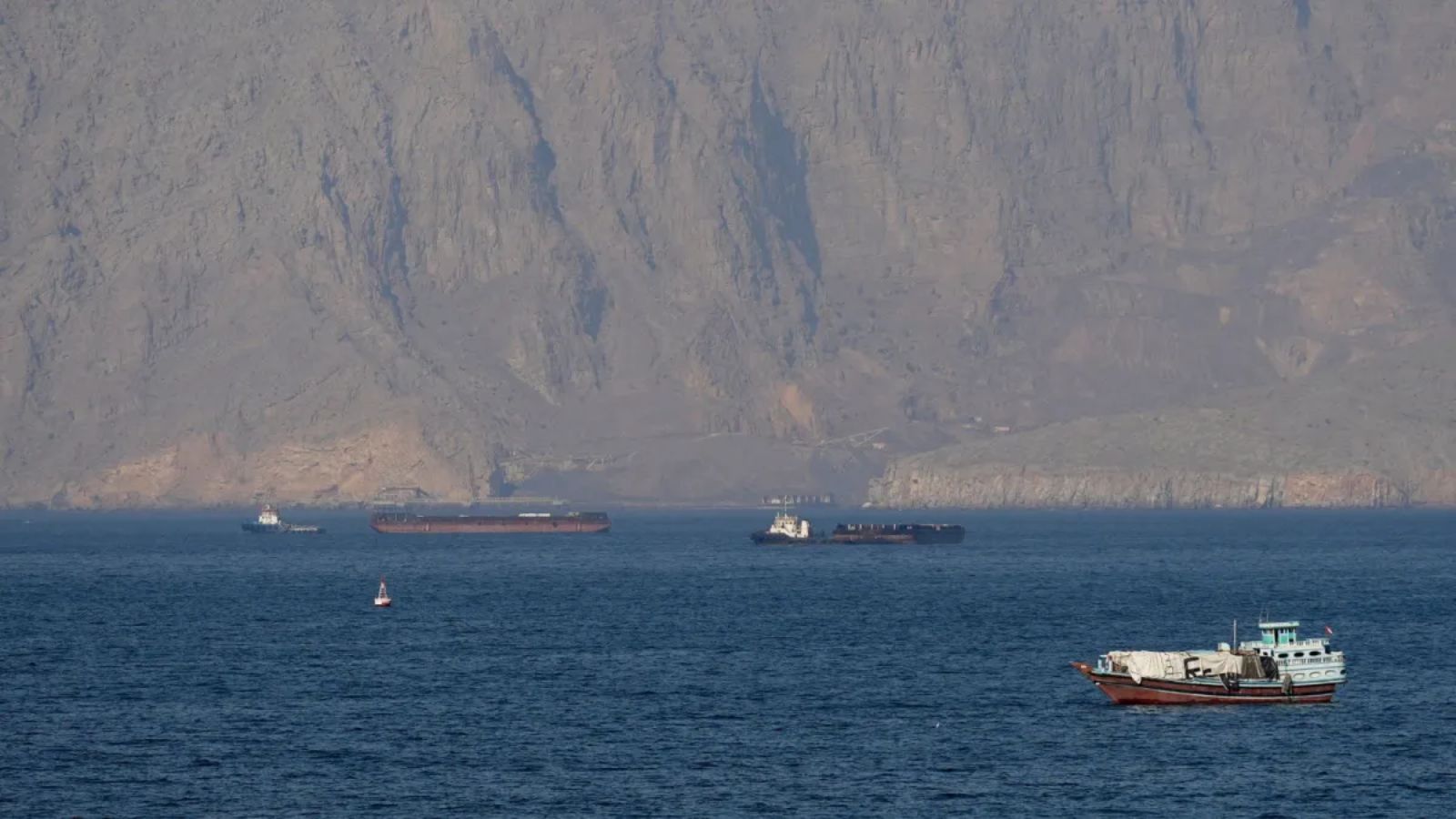
The three commercial tankers struck by projectiles in the Strait of Hormuz were not random casualties of a chaotic region. They were targeted clear across the narrow waterway for a specific, calculated reason. Iran is weaponizing the geographic lines of global trade to force concessions out of Washington, effectively tearing up a three-week-old memorandum of understanding before the ink can even dry. While standard news feeds frame these maritime strikes as standard regional escalation, the reality is a cold economic extortion plot disguised as a border dispute.
The targeted vessels, including the Qatari liquefied natural gas tanker Al Rekayyat and the Saudi-flagged supertanker Wedyan, were struck because they chose a newly established shipping lane running close to the Omani coast. Backed by the United States and Oman, this southern passage was designed to bypass Iranian extortion. Tehran has responded with drone and missile strikes from the Islamic Revolutionary Guard Corps, signaling that it will choke off twenty percent of the world’s energy supply unless the international community submits to its terms.
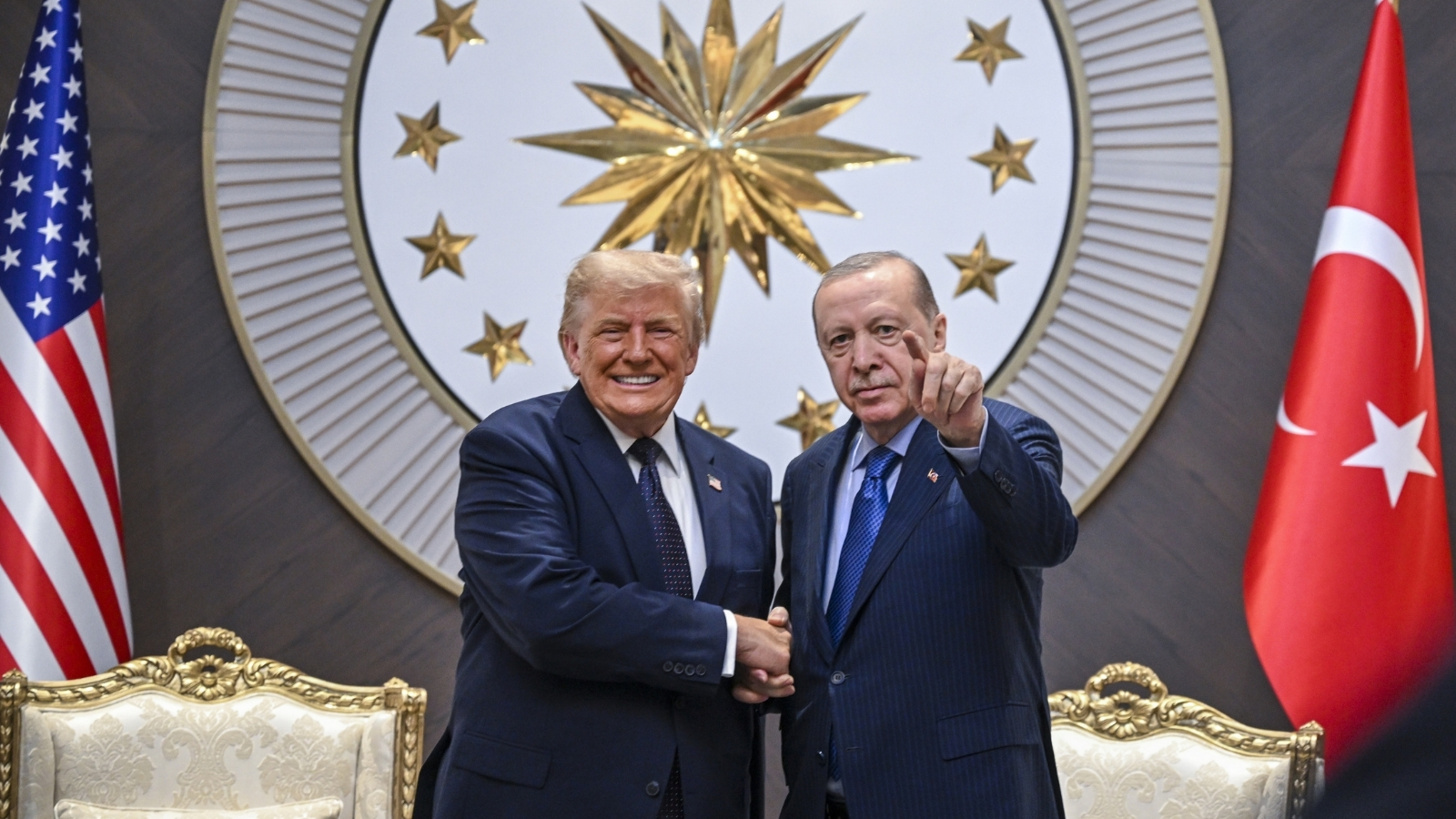
Behind closed doors, the diplomatic track is fracturing. Donald Trump has issued a blunt ultimatum, warning that Iran must either sign a definitive deal or the United States will finish the job. Meanwhile, Iranian diplomats refuse to return to the negotiating table while under active threat. The recent death of Supreme Leader Ayatollah Ali Khamenei has left a volatile power vacuum in Tehran, and the military establishment is flexing its muscles to prove it still controls the most important economic chokepoint on the planet.
The Illusion of the Sixty Day Truce
Just three weeks ago, negotiators in Doha celebrated what they believed was a breakthrough. The temporary memorandum of understanding stipulated that Iran would stop attacking commercial shipping and clear its naval mines. In exchange, the country was granted a temporary reprieve and the potential release of frozen assets. It was a fragile peace. Merchant ships rushed back into the Persian Gulf, eager to resume normal operations after months of crippling conflict.
The agreement began to unravel when Iran demanded a steep price for this passage. Tehran insisted that all merchant traffic must utilize its designated Route of Authority, a shipping lane positioned deep within Iranian-controlled waters. Furthermore, they demanded the right to levy heavy transit fees on every vessel passing through. The United States and its Gulf Arab allies flatly rejected the concept of paying a sovereign toll to move through an international strait.
Strait of Hormuz Transit Split (Early July)
==================================================
Route Option       Security Backing    Status
--------------------------------------------------
Iranian Route      IRGC Navy           Demanding Fees
Omani Route        U.S. Navy Air Cover Target of Attacks
==================================================
To break the Iranian monopoly, Oman and a United Nations maritime agency attempted to route ships away from the northern coast. This alternative path hugs the southern shoreline near Limah, Oman, providing a buffer against the Revolutionary Guard's speedboats. The United States military even began providing air cover to some vessels attempting this southern transit.
Tehran viewed this alternative path as a direct threat to its economic leverage. The state-run television network issued warnings that any ship deviating from the government-approved path would face irreparable incidents. When the Al Rekayyat and the Wedyan ignored those warnings, the Revolutionary Guard fired. The Al Rekayyat’s engine room was quickly filled with smoke following an overnight explosion, forcing the captain to issue a frantic Mayday call. Hours later, a drone struck another tanker in the same vicinity.
Power Struggles Inside a Leaderless Tehran
The timing of these attacks correlates directly with internal political warfare inside Iran. The country is still marking the conclusion of mourning ceremonies for Ayatollah Ali Khamenei, who was killed earlier in the conflict during U.S. and Israeli air strikes. The traditional clerical leadership is currently locked in a bitter succession dispute regarding Mojtaba Khamenei and the future direction of the state.
With the political apparatus distracted, the military establishment has assumed total control over regional strategy. Security analysts monitoring the region note that the Revolutionary Guard is operating with unprecedented autonomy. They no longer feel a pressing need to consult the presidency or the clerical councils before launching anti-ship missiles.
This internal shift has paralyzed back-channel negotiations led by Pakistan. Iranian Foreign Minister Abbas Araghchi announced that the state will completely freeze participation in final agreement talks. He demands that Washington honor its signature on the initial memorandum, while simultaneously insisting that no deal can move forward without a complete Israeli withdrawal from Lebanese territory.
Hardliners in the Iranian parliament are pushing the envelope even further. Lawmakers are currently drafting emergency legislation to formalize the country's total administrative management over the Strait of Hormuz. This proposed law would legally obligate the military to seize or fire upon any vessel that refuses to pay transit fees or follow Iranian navigational commands. They want to make it clear that any maritime framework designed without their explicit approval is dead on arrival.
The Hidden Costs of Maritime Insecurity
The immediate result of this shipping crisis is an abrupt reversal of global economic recovery. Ship-tracking data reveals that maritime traffic through the strait dropped significantly within forty-eight hours of the attacks. Dozens of massive cargo ships and fuel tankers chose to drop anchor or turn around entirely rather than risk the passage.
Weekly Ship Transits Through the Strait
==================================================
Week Ending June 28:   262 Vessels
Week Ending July 5:    211 Vessels
Post-Attack Projection: Under 150 Vessels
==================================================
The Al Areesh, another massive liquefied natural gas carrier, abruptly reversed its course in the Gulf of Oman after receiving word of the fire aboard its sister ship. It was carrying critical fuel supplies bound for South Asia. Pakistan, which relies heavily on these specific Qatari energy shipments, is now forced to negotiate directly with Iranian commanders to secure safe passage guarantees for its upcoming winter fuel reserves.
Other international fleets are choosing to flee the area entirely. Shippers are facing astronomical insurance premiums to enter the Persian Gulf, with war-risk surcharges jumping by triple digits overnight. The Thai and South Korean governments have ordered their stranded merchant vessels to exit the waterway immediately, preferring the lengthy and expensive detour around the continent over the gamble of transiting past Iranian drone launchpads.
Commercial operators cannot survive in this environment. The international standard price for Brent crude oil surged by more than two and a half percent immediately following the news of the triple tanker strikes. If the Omani route remains entirely unusable due to missile threats, global markets will face a severe energy deficit.
The Failed Logic of Naval Escorts
The Pentagon finds itself in a difficult strategic position. While the United States Navy has successfully provided air cover and surveillance for selective commercial transits, it lacks the sheer volume of hulls required to escort every merchant ship moving through the region. Military leadership recognizes that a permanent, high-density escort mission inside the narrow confines of the strait presents extreme tactical risks.
Iran's strategy relies on asymmetric warfare. They do not attempt to match the United States Navy ship for ship. Instead, they use low-cost uncrewed aerial vehicles, shore-to-ship missiles hidden in coastal cliffs, and swarms of fast-attack craft armed with naval mines. A single well-placed drone can inflict millions of dollars in structural damage on a supertanker, rendering it uninsurable and effectively removing it from the global supply chain.
The Western strategy of relying on regional diplomatic mediators like Qatar is hitting a wall. Doha find themselves in the uncomfortable position of blaming Iran for a direct attack on their own state-owned energy infrastructure while trying to maintain their role as an unbiased peace broker. The Qatari Foreign Ministry labeled the strike on the Al Rekayyat an explicit violation of international law, but their statements hold little weight against a military force that views international law as an impediment to survival.
The current diplomatic impasse cannot be sustained through vague memorandums. The White House's current stance leaves very little room for compromise, and the military command in Tehran feels it has already sacrificed its top leader, meaning it has nothing left to lose. The United States cannot protect the global economy by simply routing ships through Omani waters while ignoring the missile batteries across the bay. Unless the international coalition is willing to directly neutralize the coastal launch sites enforcing the Route of Authority, the Strait of Hormuz will remain a closed toll road managed entirely by Iran.