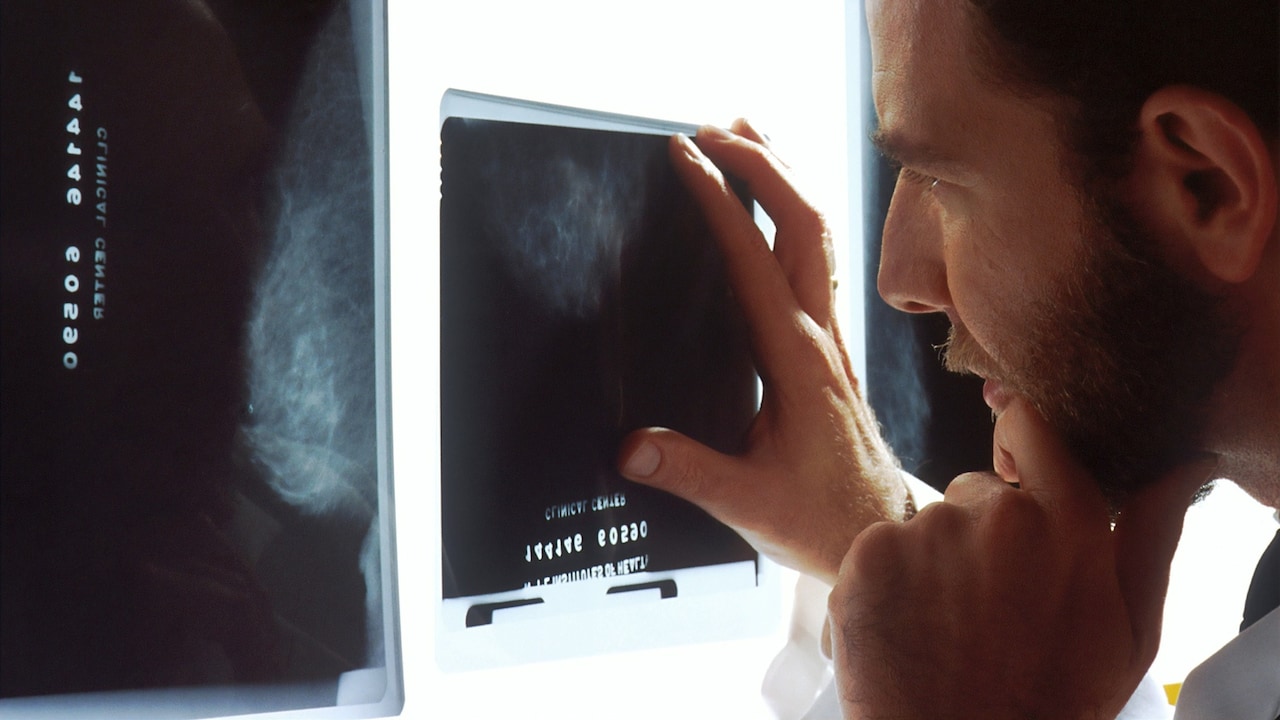
A decades-long failure in women’s healthcare is finally forcing a shift in frontline medicine. For millions of patients suffering from endometriosis, the current diagnostic timeline is an indictment of modern healthcare, dragging on for an average of seven to eight years. Now, two new diagnostic tests slated for deployment at the general practitioner level promise to slash this agonizing wait. By shifting the burden of initial detection away from secondary care specialists and into local GP surgeries, these tools aim to identify the chronic inflammatory condition via simple biomarkers rather than invasive surgery. It is a desperately needed development. Yet, a deeper investigation reveals that introducing these tests into an already fractured primary care system risks creating a bottleneck that could stall the very progress patients have been promised.
The reality of endometriosis is as devastating as it is widespread. The condition occurs when tissue similar to the lining of the womb grows in other areas of the body, such as the ovaries, fallopian tubes, and pelvic lining. Every month, this tissue responds to hormonal cycles, bleeding with nowhere to go, causing severe pain, internal scarring, and often infertility. Despite affecting roughly one in ten women globally—a prevalence matching diabetes—it remains notoriously difficult to catch early.
Until now, the definitive method for diagnosing endometriosis has been a laparoscopy. This is a surgical procedure performed under general anesthetic where a surgeon inserts a small camera through an incision in the belly button to physically locate endometrial lesions. Because surgery carries inherent risks and requires significant hospital resources, GPs are traditionally hesitant to refer patients without exhaustive prior investigations. Patients are routinely dismissed with prescriptions for stronger painkillers or oral contraceptives, their symptoms misattributed to heavy periods or irritable bowel syndrome. The new tests—one utilizing a saliva sample to detect specific microRNA biomarkers, and another relying on a specialized blood panel—are designed to bypass this surgical gatekeeping entirely.
The Friction in Primary Care
Medical breakthroughs do not exist in a vacuum. While the science behind non-invasive biomarkers is sound, the environment into which they are being introduced is fundamentally unstable. General practice is overwhelmed.
A GP appointment typically lasts around ten minutes. Within this window, a physician must listen to a complex history of pelvic pain, rule out competing conditions, explain the mechanism of a new biomarker test, and administer it. If a test returns a positive result, the path forward seems clear, but it immediately hits a infrastructure wall. A positive saliva or blood test does not cure the disease; it merely confirms its highly likely presence. The patient still requires specialized management, which frequently involves advanced imaging like transvaginal ultrasounds or pelvic MRIs, followed by consultation with a gynecological surgeon.
By making detection easier, these new tests will inevitably trigger a massive surge in confirmed cases. This is where the strategy threatens to unravel. Secondary care gynecology departments are already facing historic backlogs. Without a concurrent expansion of hospital capacity, specialists, and surgical theater time, the multi-year wait for a laparoscopy will simply mutate into a multi-year wait for a post-test specialist treatment plan. The bottleneck is not disappearing. It is just moving down the hallway.
The Problem with Negative Results
In clinical diagnostics, what a test misses is often more critical than what it catches. No non-invasive test is perfectly accurate. Medical diagnostics are governed by sensitivity—the ability to correctly identify those with the disease—and specificity, the ability to correctly identify those without it.
Consider a hypothetical scenario where a new diagnostic test boasts a 90% sensitivity rate. On paper, this looks like a triumph. However, if 100 women with early-stage, deeply infiltrating endometriosis take this test, ten of them will receive a false-negative result. In the context of a disease that is already heavily dismissed by society, a negative test result could be catastrophic for a patient.
A GP, looking at a negative laboratory report, may feel vindicated in concluding that the patient’s debilitating pelvic pain is not endometriosis. The patient is sent back to square one, their symptoms validated neither by their doctor nor the technology. Because endometriosis presents in vastly different ways—ranging from superficial peritoneal lesions to deep ovarian cysts—a biomarker test might easily miss subtle, early-stage variations of the disease that still cause excruciating pain. Relying too heavily on a laboratory report risks eroding the clinical intuition of physicians, who should be treating the patient’s lived experience rather than a vial of saliva.
Economics and the Postcode Lottery
The deployment of new medical tech always collides with institutional finances. These tests are expensive to manufacture and process. In publicly funded healthcare systems, local integrated care boards must decide whether the upfront cost of purchasing hundreds of thousands of diagnostic kits justifies the long-term savings of avoiding unnecessary surgeries.
This financial reality almost guarantees an inequitable rollout. Historically, whenever new diagnostic pathways are introduced at the local level, a geographic disparity emerges. Patients living in affluent, well-funded health districts will likely gain immediate access to rapid testing at their local surgery. Meanwhile, patients in underfunded urban or rural areas will continue to face the traditional, agonizingly slow referral pathways.
Furthermore, the commercial entities patenting these tests are businesses driven by profit margins. If the procurement costs remain high, widespread adoption will falter. Insurance companies and public health authorities will demand rigorous, multi-year cost-benefit analyses before integrating these tests into standard guidelines. While the bureaucratic machinery grinds onward, evaluating whether a test saves money on hospital admissions, the teenage girl missing a week of school every month due to unmanaged pelvic pain continues to wait.
Rebuilding the Foundation
Speeding up the diagnosis of endometriosis requires more than a shiny new tool in a doctor's bag. It demands an overhaul of how women's pain is assessed from the very first consultation.
True progress looks like specialized women's health hubs embedded directly within primary care networks. These hubs, staffed by nurse practitioners and GPs with dedicated training in complex gynecology, would possess the time and expertise that standard ten-minute appointments lack. In this framework, a new biomarker test is not used as a definitive yes-or-no verdict, but as a critical piece of a broader clinical puzzle.
Medical education must also catch up to the science. For generations, medical textbooks have treated endometriosis as a niche reproductive issue rather than what it actually is: a systemic, chronic inflammatory condition that can affect the bowel, bladder, and even the thoracic cavity. Doctors need to be trained to recognize the constellation of symptoms—ranging from chronic fatigue and painful bowel movements to cyclical back pain—long before they ever reach for a test kit.
We are witnessing a pivotal moment where biotechnology is finally addressing a historical blind spot in medicine. Offering a non-invasive test at a local surgery is a profound victory for patient advocacy groups who have spent decades screaming into the void. But validating a patient’s pain with a lab report is only half the battle. If the wider healthcare system is not remodeled to handle the influx of diagnosed patients, these new tests will serve merely as a faster way to confirm a diagnosis that the system remains unequipped to treat.