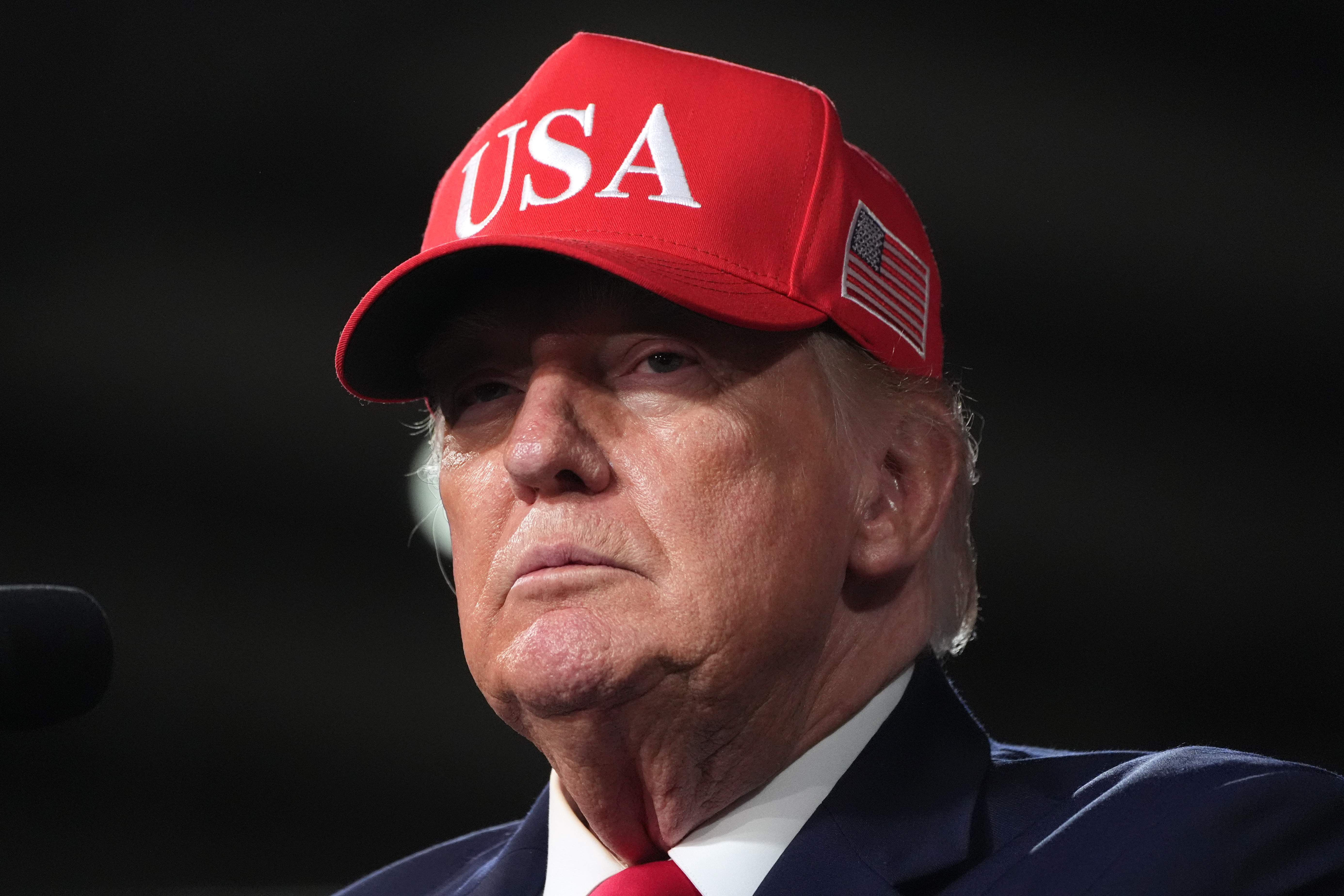
An Immigration and Customs Enforcement officer slammed an unmarked SUV into 48-year-old construction worker Miguel Parra Hernandez in Houston on October 10, 2026, leaving him with a broken leg and hip injuries, while his family says agents were chasing a suspect who had already died years earlier. A Harris County grand jury later indicted ICE officer Mario Alberto Morales on a felony charge of aggravated assault with a deadly weapon, turning a street pursuit into a direct clash between state prosecutors and federal immigration enforcement.
What looks on paper like a single reckless pursuit exposes deeper mechanics inside modern immigration enforcement. Unmarked vehicles, high-speed chases in residential and working-class corridors, and stale intelligence turn routine street operations into life-altering collisions. A bystander or worker who happens to run when federal agents pull up suddenly faces a multi-ton vehicle treated as a tactical tool.
How a Ghost Target Becomes a Street Collision
Enforcement operations often rely on case files, tip sheets, and watchlists built over months or years. When a target file contains outdated information, street teams can chase a lead that no longer exists in the physical world.
Parra Hernandez's family stated after the October 10 crash that the officer was pursuing a suspect who had died years earlier under similar circumstances. That claim raises a basic operational question that federal agencies rarely answer in public statements. How often do enforcement teams act on unverified or deceased-subject leads without confirming current identity and status before escalating into a vehicle pursuit?
Even when agents spot someone who appears to match a profile or who bolts at the sight of unmarked SUVs, split-second decisions carry severe consequences. A worker trying to avoid detention can be misread as the intended target. Once a chase starts in an unmarked vehicle, confusion multiplies on every side.
- Stale records: Databases and target packets can lag behind real-world deaths, moves, or identity updates, sending officers after ghosts.
- Unmarked vehicles: Plain SUVs lack the immediate visual clarity of marked municipal cruisers, making sudden stops and pursuits harder for bystanders and fleeing individuals to read.
- Split-second escalation: When a pedestrian runs, an officer pursuing on foot or by car must decide within seconds whether to break off or press the pursuit.
Competing Accounts and Video Evidence
Public records and news reports show sharp friction between federal officials, local prosecutors, and the injured man's family over what actually happened on October 10. ICE initially asserted that Parra Hernandez ran in front of the vehicle and dismissed claims of an intentional strike as reckless and false.
Harris County District Attorney Sean Teare took a very different view after reviewing the evidence, stating that Morales aggressively steered his vehicle into Parra Hernandez. Videos of the incident became central to both the criminal case and the family's public plea. Siblings Rodolfo Parra and Carmen Parra pointed to the footage as proof of what their brother endured on the pavement, recalling his cries as his leg broke.
| Perspective | Core Claim | Key Contested Point |
|---|---|---|
| Harris County Prosecution | Morales deliberately steered the SUV into the fleeing man, warranting a felony charge. | Whether driving a vehicle into a fleeing pedestrian crosses into aggravated assault with a deadly weapon. |
| ICE and Defense | The strike was not intentional, and prosecution amounts to a political move. | Whether Parra Hernandez ran into the path of the SUV or was targeted by the driver. |
| Parra Hernandez Family | Agents chased a long-dead suspect, video shows the truth, and detention has harmed his health. | Accuracy of target intelligence and his mental and physical condition in custody. |
Video rarely settles every legal argument by itself, yet it changes the leverage in local courtrooms. When a grand jury indicts a federal officer on a felony weapon charge, the dispute moves out of agency press releases and into evidentiary hearings where angles, speed, and steering inputs are tested under oath.
Custody, Health, and the Human Toll
The physical fractures from a vehicle impact heal on a predictable timeline compared to the psychological weight of being injured and held in custody. Siblings of Parra Hernandez reported that his mental and physical health worsened while detained, including expressions of severe despair and suicidal thoughts.
Advocates working with the family, including Cesar Espinosa of FIEL, argued that the indictment of Morales should factor into efforts to secure Parra Hernandez's release from custody. Detention facilities are built for administrative confinement and processing, not intensive trauma recovery. When a detainee suffers broken bones and acute psychological distress after a violent arrest, medical oversight becomes a flashpoint.
Consider a hypothetical scenario outside this case to see how custody compounds an injury. Suppose a warehouse worker suffers a severe leg fracture during a chaotic stop and is transferred straight into detention without consistent physical therapy or psychiatric evaluation. Months later, chronic pain and untreated trauma can leave the person less able to work or communicate with counsel than before the arrest.
Why Houston Became a Flashpoint
Houston is not an isolated backdrop for aggressive immigration enforcement in 2026. Earlier in the summer, fatal ICE gunfire during a Houston vehicle stop killed Lorenzo Salgado Araujo after federal officers said they were looking for someone else and claimed he tried to ram an officer's vehicle.
That July shooting drew intense scrutiny over missing body cameras, unverified target resemblance, and the absence of public footage from federal authorities. Together, the July fatal shooting and the October vehicle crash point to a pattern in how vehicle stops and pursuits are carried out across the metro area.
Federal supremacy and local criminal law also collide sharply in cases like Morales's. A county district attorney can pursue state felony charges when local evidence supports probable cause, while federal officials defend their agents' actions and challenge local prosecutions as politically motivated. Neither side easily concedes jurisdiction or narrative control, leaving families caught between federal enforcement power and slow-moving courts.
Oversight reforms—such as mandatory body-worn cameras, stricter limits on vehicle pursuits of pedestrians, and independent verification of target files—sound straightforward in policy memos. In practice, budget disputes, agency rules, and conflicting accounts slow every reform down while real people absorb the impact on city streets. Until target verification and pursuit rules tighten before an engine ever revs, every street chase carries the risk of hitting the wrong man for the wrong reason.