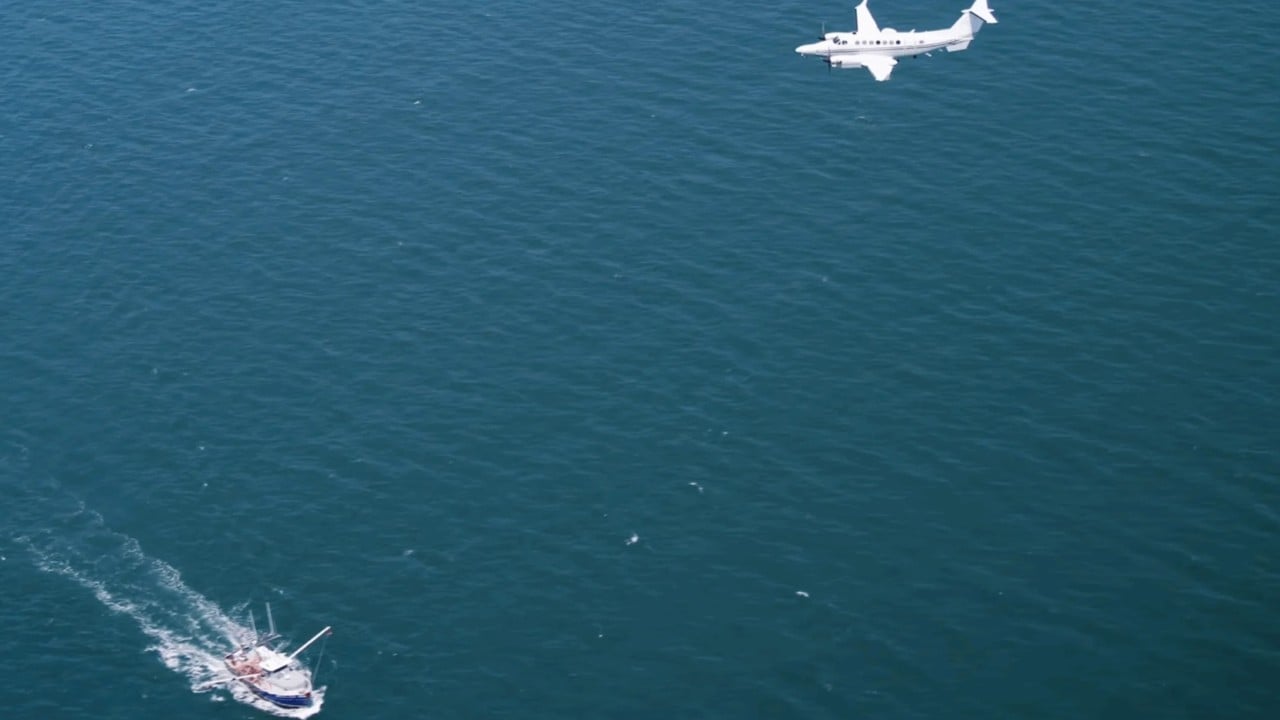
For decades, the Philippine military attempted to monitor its vast maritime territory through a combination of sheer grit, aging airframes, and binoculars. That analog era is ending. With the acquisition of platforms like the ATR-72-600 maritime patrol aircraft, alongside tactical uncrewed systems and partner nation intelligence-sharing arrangements, Manila is attempting to build a persistent eyes-on capability across the West Philippine Sea. Yet, adding hardware to an inventory tells only half the story. The real test of these long-range surveillance assets lies in a grueling logistical gauntlet that defense planners rarely discuss in press releases.
The Tyranny of Distance and Maintenance Realities
Operating aircraft over contested waters requires more than a functional runway and a shiny sensor suite. It demands an unbroken chain of spare parts, specialized technicians, and deep-pocketed maintenance cycles. Recent friction points within regional drone and aircraft fleets illustrate how vulnerable foreign-sourced military equipment can become when supply lines stutter or diplomatic friction interferes with component delivery.
When a medium-altitude long-endurance platform or a turboprop patrol aircraft experiences avionics failure or engine wear during intensive operational tempos, the machine sits idle. Grounded airframes collect zero intelligence. Manila’s defense leadership faces the unglamorous challenge of sustaining these platforms year after year, long after the ribbon-cutting ceremonies conclude.
Consider a hypothetical scenario in which a patrol aircraft flies a grueling ten-hour maritime surveillance sortie near the disputed shoals. The physical stress on airframes operating in a salt-laden, high-humidity marine environment accelerates corrosion and electrical degradation. Without a robust, locally anchored maintenance ecosystem, the turnaround time between missions stretches from hours to weeks.
Bridging the Gap Between Detection and Response
Surveillance data possesses an expiration date. Spotting a foreign vessel or tracking an unusual surface movement is only valuable if that information reaches operational commanders and strike units fast enough to shape tactical decisions.
The Philippine military has steadily incorporated multi-layered sensor networks, linking coastal radars, maritime patrol aircraft, and surface monitoring tools. However, data integration across disparate systems remains a persistent friction point. U.S. and regional partner exercises—such as those utilizing tactical drones to feed targeting telemetry to shore-based anti-ship missile batteries—demonstrate what is technically possible. Translating those episodic demonstrations into an everyday, automated, 24/7 architecture across the entire archipelago requires secure communications and rigorous joint training that pushes local forces to their absolute limits.
Furthermore, relying on a patchwork of platforms creates distinct operational silos. Information gathered by a turboprop patrol aircraft must be handed off seamlessly to surface vessels or ground-based defense units before the tracked contact alters position. If communication links drop or formats are incompatible, commanders are left flying blind while staring at high-resolution imagery that depicts yesterday's positions.
The Cost of Persistent Presence
Budgetary gravity dictates the pace of modernization. Advanced jet-powered platforms like the U.S. P-8 Poseidon offer unmatched speed, endurance, and anti-submarine warfare capabilities, but their price tags run into hundreds of millions of dollars per hull. For a developing Southeast Asian nation balancing internal security, economic growth, and comprehensive military modernization, acquiring a fleet of heavy-duty jets is financially untenable.
Instead, Manila has leaned into cost-effective compromises, such as militarized turboprops and modular uncrewed systems, which deliver a high percentage of surveillance utility at a fraction of the cost. These choices reflect pragmatic financial survival, but they also impose operational limits. Slower transit speeds and lighter payloads mean these aircraft must work harder and fly longer routes to maintain the same geographic coverage as their heavier jet-powered counterparts.
The modernization trajectory of the Philippine armed forces is no longer defined by what equipment arrives at the tarmac, but by how long those machines remain airborne under pressure. As regional tensions continue to simmer across strategic waterways, the true measure of national deterrence will be written in the unglamorous logs of maintenance hangars and the steady cadence of uninterrupted patrols.