We rely on local news crews to fly above our cities and give us a bird’s-eye view of chaos. We watch from our living rooms, feeling safe behind glass screens. But what happens when the people reporting the tragedy become the tragedy itself?
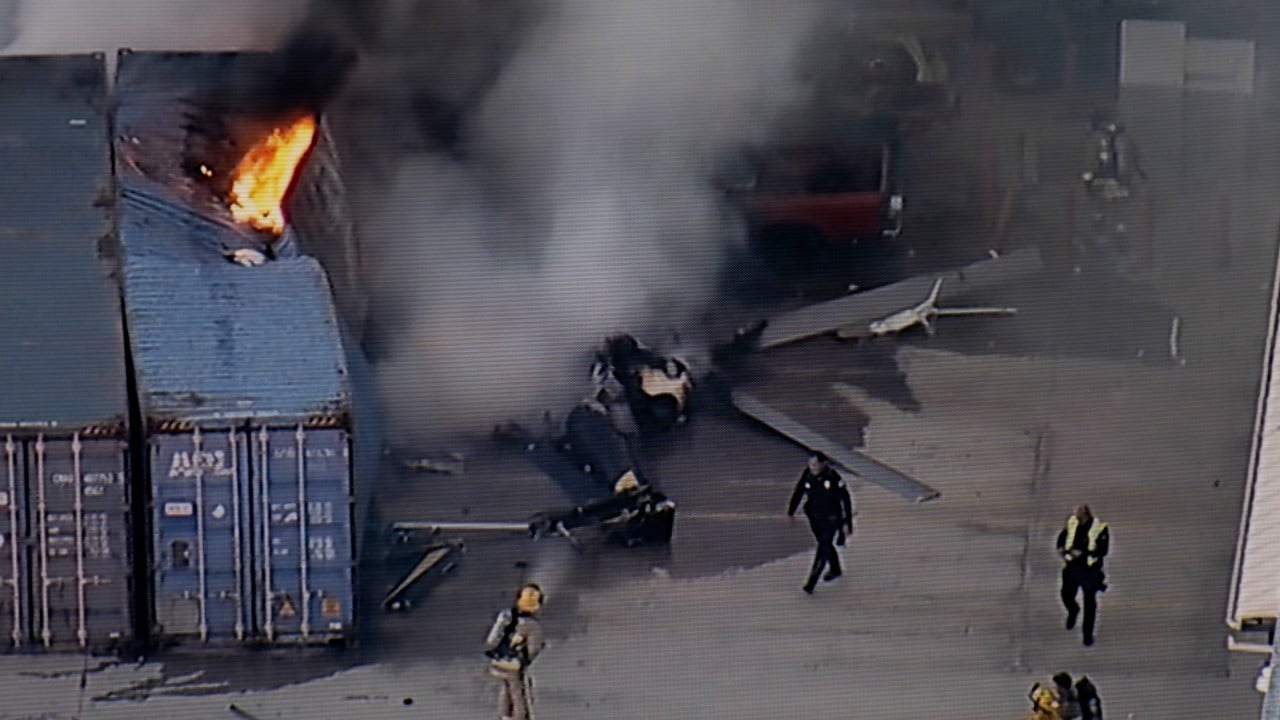
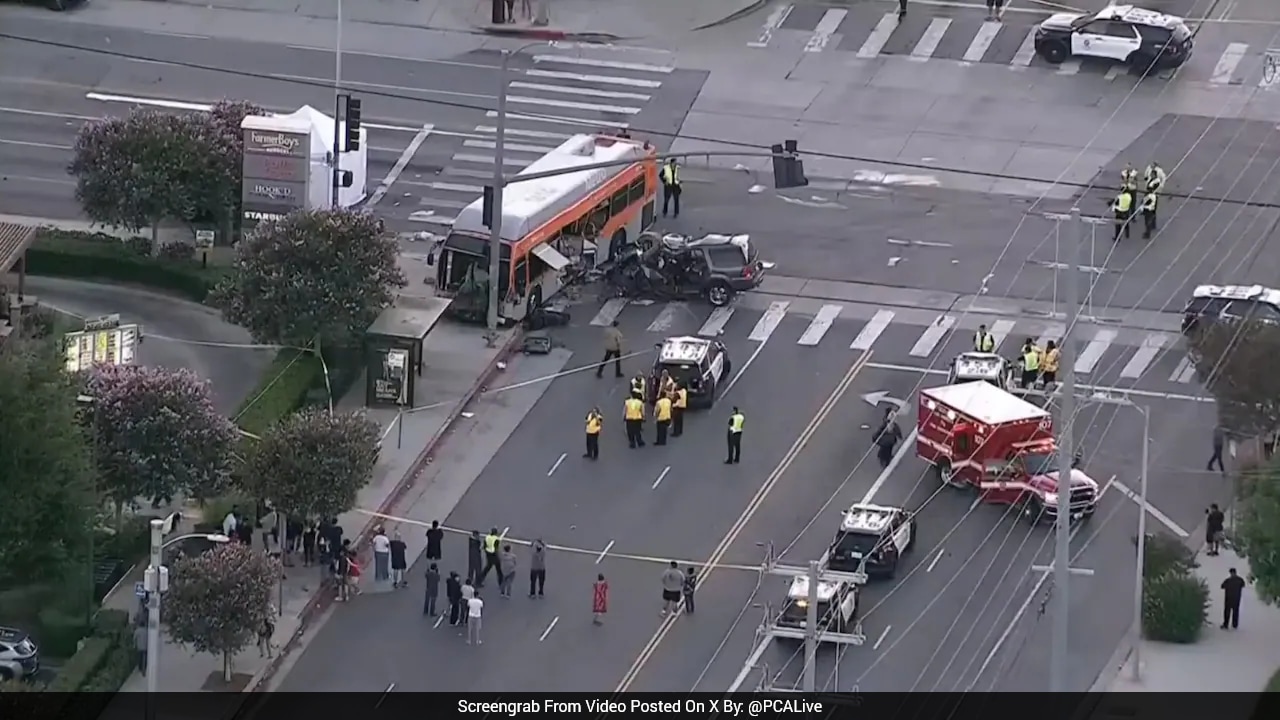
That chilling reality hit Los Angeles when an NBC4 news helicopter went down in the Chatsworth neighborhood of the San Fernando Valley. The chopper wasn't out on a routine patrol. It was actively covering a deadly collision involving an SUV and a city bus. Within moments, a routine news broadcast morphed into an unprecedented local disaster. Three lives were gone.
The Anatomy of a Tragic Assignment
The sequence of events unfolded rapidly on a Tuesday that started like any other. An SUV slammed into a transit bus in Los Angeles, prompting local news stations to scramble their aerial units. For viewers, it was another traffic nightmare to gawk at on the midday news. For the journalists in the sky, it was just another day at the office.
Aboard the Eurocopter AS350 operated by Angel City Air were pilot George Marciniw and reporter-photojournalist Eliana Moreno. They were doing what countless aerial crews do daily across major metropolitan areas. They orbited the wreckage, capturing footage to inform the public.
Then things went catastrophically wrong.
Cockpit audio recovered from the final broadcast moments reveals a terrifying shift in tone. An alarm rings out. A woman’s voice says, "uh oh". The helicopter veers away from the original crash site, bleeding altitude rapidly. When someone asks, "You can't pull up?" the feed cuts out.
The chopper crashed near a large storage facility, igniting a massive fire that engulfed multiple cars and storage containers.
The Human Toll Behind the Breaking Banner
When we talk about breaking news disasters, we tend to fixate on the statistics. Three people died that day. But behind those numbers are distinct, deeply felt human losses that shook the journalism community to its core.
Eliana Moreno was a familiar, trusted face to viewers of NBC4 and Telemundo 52. Colleagues remembered her as someone utterly captivated by the scope of her job, frequently sharing breathtaking views from her aerial office. George Marciniw was a seasoned veteran of Southern California skies, a veteran pilot who had trained other aviators and spent decades navigating the notorious LA airspace.
Tragically, the danger wasn't confined to the crew. A 29-year-old pedestrian on the ground, identified as Edy Gutierrez Mejia, was killed in a parking lot when the aircraft came down. A tragedy born on the highway spilled over into the air, claiming innocent bystanders who were simply in the wrong place at the wrong time.
The Risky Business of Sky-High Journalism
Los Angeles is unique in its heavy reliance on news choppers. Because of legendary traffic congestion and sprawling geography, local stations treat aerial fleets as essential tools. You see them hovering over high-speed pursuits, brush fires, and multi-car pileups on the 405.
We rarely stop to think about the inherent danger involved. Piloting a helicopter while a reporter manages cameras, monitors police scanners, and coordinates live feeds is high-stress multitasking. These crews operate at low altitudes over chaotic emergency scenes where smoke, power lines, and erratic wind patterns create hazardous conditions.
National Transportation Safety Board investigators quickly seized on the final broadcast video, calling it crucial evidence. The audio clues point toward mechanical issues or sudden power fluctuations. While investigators comb through wreckage and maintenance logs, the aviation industry faces uncomfortable questions about the safety margins of continuous urban news tracking.
Confronting the Vulnerability of Our First Responders and Media
We expect our news to be instant, continuous, and comprehensive. We want drone footage, helicopter angles, and live updates within seconds of an incident. But the infrastructure keeping that information pipeline open relies on human beings taking massive physical risks.
When anchors back at the studio wiped away tears on live television, it exposed the raw underbelly of 24-hour news culture. We consume trauma as entertainment or background noise while eating lunch. The Chatsworth crash reminds us that real people put their lives on the line to beam those pictures into our living rooms.
Next time you see a news chopper circling overhead, remember the invisible margins of error keeping it aloft. The story on the ground is only half the picture. The people watching from above carry a weight most of us never see until it's too late.