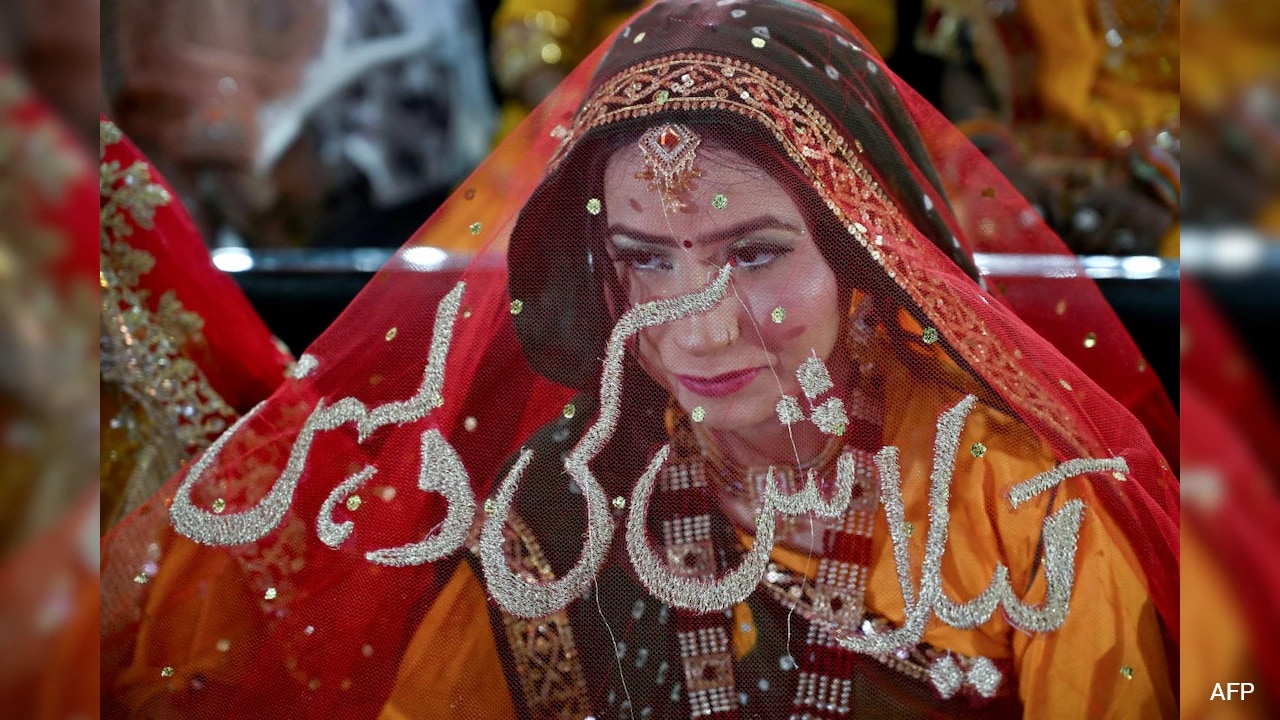
The internet loves a good cross-border romance. When 150 Pakistani-Sindhi brides recently managed to navigate an absurd maze of visa hurdles to cross into India for weddings following the conversational cultural waves of events dubbed Operation Sindoor, the headlines read like a Bollywood script. Overcoming red tape, dodging geopolitical friction, and uniting families across a heavily militarized boundary sounds like a triumph of love over politics.
It is a sentimental illusion.
Beneath the heartwarming photo-ops and viral social media moments lies a grinding, dysfunctional system that treats human beings like diplomatic bargaining chips. We applaud the exception while ignoring the systemic rot. If you think these 150 visas represent a breakthrough in cross-border diplomacy, you are falling for the oldest trick in the bureaucratic playbook: mistaking a statistical rounding error for progress.
The Lazy Consensus Of Triumphalism
The standard narrative goes something like this: bureaucratic hurdles are high, but love conquers all through sheer perseverance. News outlets frame these weddings as proof that human connection can heal fractured nations.
That framing is dangerous. It shifts the burden of responsibility away from the state and onto the individual. When we praise brides for enduring months of bureaucratic humiliation, background checks, and arbitrary rejections just to attend their own weddings, we normalize state-sponsored harassment.
I have watched families spend small fortunes on legal consultants, diplomatic channels, and endless bureaucratic waiting games just to secure a piece of paper that grants them temporary transit. This is not a romantic triumph. It is an endurance test designed to exhaust the human spirit.
Let us look at the mechanics. A visa should be a logistical tool, not a loyalty test. Yet, for Sindhi Hindu communities split across the India-Pakistan border, the process is deliberately opaque. The requirement to prove lineage, secure local sponsorships, and clear multi-tiered intelligence clearances turns a standard family milestone into a high-stakes espionage thriller.
When media outlets focus exclusively on the final ceremony, they whitewash the institutional cruelty that preceded it. For every bride who makes it across, how many give up? How many marriages are postponed indefinitely, quietly cancelled, or forced into third-country compromises because the paperwork proved insurmountable? The media never counts the ghosts of the system.
Dismantling The False Choice Of Security Versus Family
The standard defense for this administrative torture is national security. Officials whisper about protocols, cross-border tensions, and the necessity of rigorous vetting.
This is a false dichotomy.
Insisting that a bride from Sindh poses a unique national security threat unless she undergoes six months of invasive scrutiny is not defensive prudence; it is institutional laziness. Modern digital verification, biometric screening, and standard background checks can clear an applicant in forty-eight hours. The delays are not functional. They are performative. They exist to signal toughness to domestic constituencies at the expense of ordinary citizens caught in historical crossfires.
Let us define terms clearly. When governments weaponize immigration procedures to manage bilateral friction, they engage in administrative attrition. They make the process so painful that people simply stop asking.
The Sindhi diaspora occupies a uniquely painful position here. Uprooted during Partition, their cultural identity and familial networks span a border that treats their heritage as a security risk. To visit aging parents, attend a funeral, or marry within your community requires pleading with states that view your existence through the lens of suspicion.
+-----------------------------------+-----------------------------------+
| The Myth                          | The Reality                       |
+-----------------------------------+-----------------------------------+
| Visas are hard to get for safety. | Visas are hard to get for optics. |
+-----------------------------------+-----------------------------------+
| 150 brides crossing is a victory. | 150 brides crossing is an anomaly.|
+-----------------------------------+-----------------------------------+
| Bureaucracy protects the state.   | Bureaucracy punishes the family.  |
+-----------------------------------+-----------------------------------+
The Real Cost Of Performative Empathy
Why do we accept this? Because outrage is exhausting, and a feel-good wedding story sells clicks.
When commentators praise the resilience of these families, they are participating in a subtle form of exploitation. We consume their struggle as entertainment. We marvel at their endurance while letting the governments responsible off the hook.
Imagine a scenario where the issuance of family visas between neighboring nations was treated with the same administrative neutrality as a baggage claim. Imagine a system where a marriage certificate carried more weight than a geopolitical grudge. It sounds radical only because we have been conditioned to accept institutionalized cruelty as the baseline.
The truth is that these 150 brides did not beat the system. The system tolerated them for a news cycle. Once the cameras turned off, the consulate doors closed, the backlogs returned, and the next applicant waiting for a response was left staring into a digital void.
Stop praising the survivors of a broken system as if they won a prize. Start dismantling the architecture that forced them to fight for permission to love.