Every single time a teenager snaps and turns a school into a slaughterhouse, the media machinery kicks into predictable gear. They do not look at the blood on the floor; they look at the teenager's browser history. They find a Discord server. They find a Reddit thread. They find a morbid fascination with serial killers, true-crime documentaries, or dark internet subcultures. And then the narrative drops like a lead weight: The internet did this.
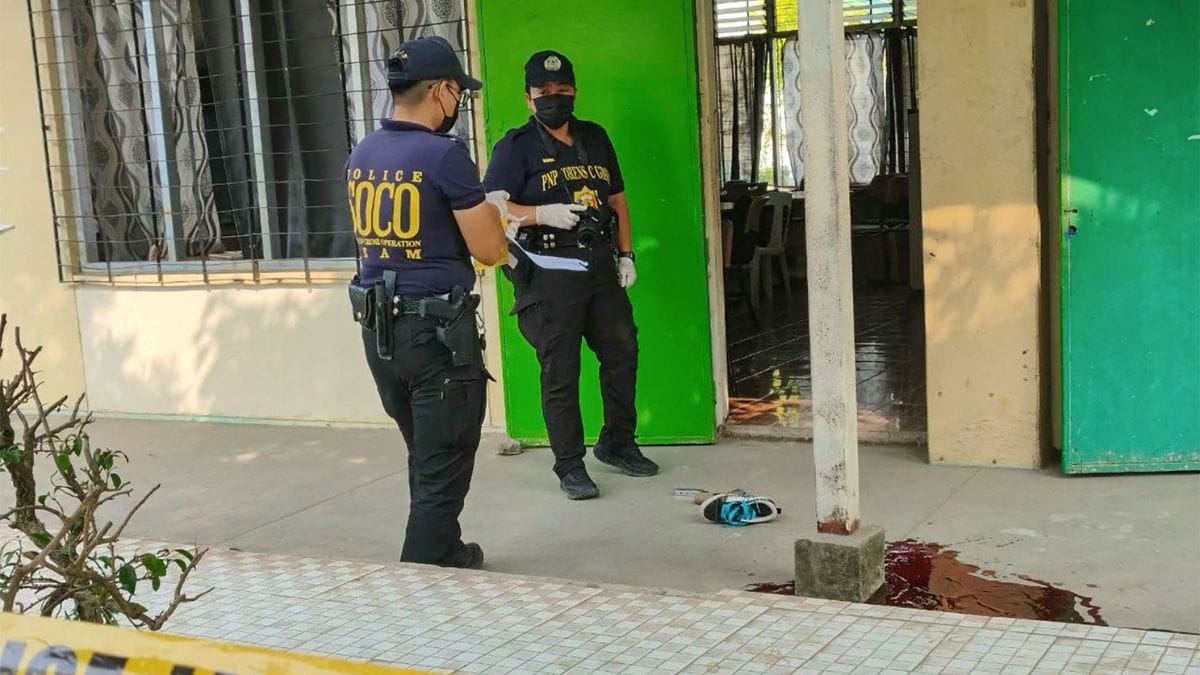
When news broke of the school shooting in the Philippines where a student killed six and injured seventeen, commentators immediately swarmed the digital footprint. Was it an online true-crime group? Did a digital forum radicalize the child? The rush to indict online subcultures was deafening. It is a comforting lie. It lets parents, schools, and gun laws off the hook.
Let us strip away the moral panic and look at the structural rot. Blaming a chat room for a tragedy executed with a physical firearm is the ultimate intellectual cop-out. It is time to dismantle the lazy consensus surrounding digital radicalization and confront the uncomfortable realities we refuse to fix.
The Comforting Fiction of the Digital Boogeyman
We have seen this exact script play out for decades. Whenever society faces a horrific act of youth violence, adults scramble for a shiny new scapegoat that requires zero institutional accountability.
In the nineteen-eighties, moral crusaders blamed Dungeons and Dragons for teenage suicides, acting as though a rulebook and twenty-sided dice possessed demonic possession powers. In the nineteen-nineties, politicians dragged Marilyn Manson and first-person shooter video games into congressional hearings after Columbine, pretending that gothic lyrics and pixelated shotgun blasts manufactured murderers. In the two-thousands, violent media took the hit all over again.
Today, the moral panic has evolved into digital true-crime communities. Commentators point to teenagers obsessing over cold cases, interrogation videos, and forensic breakdowns as if watching YouTube essays on serial killers constitutes direct sniper training.
It is absolute nonsense. Millions of people consume true crime daily. The vast majority do not pick up weapons and shoot their peers. Pinning a mass casualty event on a true-crime forum ignores every single variable that actually separates a curious adolescent from a mass shooter.
The Anatomy of Modern Isolation
Let us talk about what actually drives a kid to open fire on classmates. It is not a documentary about notorious murderers or a chat thread discussing forensic pathology. It is profound, crushing, suffocating invisibility.
Modern adolescence is an exercise in digital hyper-connection combined with total physical isolation. Kids are plugged into global networks yet cut off from any meaningful local safety net. They navigate hyper-competitive academic pressures, economic anxiety, and social environments transformed by relentless digital surveillance.
When a teenager feels entirely powerless, invisible to their parents, and alienated from their peers, they crave control. Violence is the ultimate, catastrophic assertion of agency for someone who feels they have zero control over their own existence.
True-crime groups do not create this impulse. They simply act as a magnet for kids who are already adrift. An alienated teenager wandering into a morbid online community is not being radicalized by the group; they are seeking a tribe that reflects their own internal darkness because the real world has completely failed to notice them. Blaming the forum for the violence is like blaming an earthquake seismograph for tectonic shifts.
The Weapon in the Closet
Let us cut through the psychological theater and look at the physical reality of the situation in the Philippines. You cannot shoot six people and injure seventeen with a true-crime forum, a Discord server, or a TikTok hashtag.
You need a gun.
Not just any gun—a gun left accessible, loaded, or poorly secured by the adults whose primary job is to protect children. In this case, the weapon belonged to the student's father. When a headline screams about internet radicalization while burying the fact that a lethal firearm was left within arm’s reach of a troubled adolescent, the media is engaging in active malpractice.
The primary variable in every school shooting is not what the kid was reading at three in the morning. It is the lethal hardware sitting unlocked in a bedroom closet or a nightstand drawer.
If a homeowner leaves car keys on the counter and an unlicensed teenager takes the vehicle for a joyride and plows into a crowd, we do not blame the automotive enthusiast forum the kid visited. We blame the owner of the vehicle. Yet when the vehicle is an assault weapon or a handgun, society bends over backwards to invent complex psychological vectors involving internet subcultures, absolving the negligent adult who treated a lethal weapon like a household appliance.
Why True-Crime Obsession Happens
Why do millions of teenagers and adults consume true crime with such voracious appetite? Because the world is terrifyingly chaotic, and true crime offers a narrative structure where evil is identified, hunted, and dissected.
For an anxious, alienated teenager, studying crime is often an attempt to make sense of a world that feels completely out of control. It is an exploration of the darkest corners of human nature from a safe distance. It is an exercise in pattern recognition.
Turning that morbid curiosity into a direct pipeline to mass murder requires a massive logical leap—a leap that only investigators looking for a quick headline are willing to make. Pathologizing teenage curiosity about dark subjects is a convenient way for adults to avoid asking why their children are so drawn to violence in the first place. When reality offers no safety, no economic future, and no adult guidance, young minds drift toward the morbid because at least the morbid is honest about being dangerous.
The Real Culprits We Refuse to Fight
If we actually want to stop school shootings, we have to stop looking for scapegoats in chat rooms and start dealing with uncomfortable domestic realities.
That means treating firearm storage laws not as polite suggestions, but as strict legal obligations with severe criminal penalties for negligent parents. If you own a gun and your child uses it to slaughter innocents, you belong in a prison cell alongside them. End of discussion.
It means acknowledging that our mental health infrastructure for youth is completely non-existent, replaced instead by algorithmic isolation and pharmaceutical band-aids that mask deep systemic decay.
It means demanding that parents actually know what their children are doing, feeling, and suffering under the same roof, rather than retreating behind closed doors and assuming a glowing rectangle is raising their offspring.
The true-crime forum didn't pull the trigger. The father’s gun did. Stop blaming the internet for the wreckage parents and institutions built.