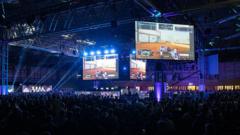
Birmingham is currently the epicenter of a massive logistical and cultural experiment. While some call it the Glastonbury of gaming, that comparison ignores the cold, hard mechanics of the industry. Festivals are about mud and music; trade shows are about survival. As the NEC halls fill with thousands of fans, the real story isn't just the noise of the crowd, but the desperate need for a permanent home for a UK gaming scene that has spent years drifting between cities and identities.
The shift to the Midlands represents more than a change of scenery. It is a calculated move to capture a demographic that the London-centric events often price out. For years, the industry operated on the assumption that if you weren't in the capital, you didn't exist. Birmingham is proving that theory wrong. But moving the circus to a new tent doesn't solve the underlying tension between the fans who want an experience and the publishers who want a return on investment.
The Infrastructure of Hype
Building a massive gaming event requires more than just high-speed internet and some flashy booths. It requires an understanding of how people consume digital entertainment in a physical space. The NEC provides the square footage, but the atmosphere is harder to manufacture. We see a clash of worlds here. On one side, you have the indie developers living on coffee and credit cards, hoping one person with a large social media following plays their demo. On the other, you have the triple-A giants with marketing budgets that could fund a small country.
The "Glastonbury" label suggests a certain level of organic chaos, but modern gaming events are precisely engineered. Every square inch of the floor is monetized. The queues are managed by apps. The spontaneity is scripted. Yet, the fans keep coming. They come because, in an age where everything is downloaded in silence, there is a primal urge to scream in a room full of people who understand why a frame-rate drop is a tragedy.
The Economics of the Floor Space
The cost of exhibiting has skyrocketed. This isn't just about the rent for the carpet; it’s about the hardware, the staff, and the logistics of shipping massive displays across the country. Small studios are increasingly being pushed to the margins, literally. While the big names occupy the central plazas with towering LED screens, the innovators are often tucked away in the corners.
This creates a lopsided ecosystem. If the "Glastonbury of gaming" only showcases the hits everyone already knows, it fails its primary mission. A true cultural hub must elevate the unknown. We are seeing a shift where the "experience" of being there—the merch, the selfies, the proximity to influencers—is starting to outweigh the actual games. This is a dangerous pivot. When the spectacle becomes more important than the software, the event starts to lose its soul.
Why Birmingham Matters Now
Geography is destiny in the events business. London has the prestige, but Birmingham has the accessibility. By moving the heart of the UK scene to the West Midlands, organizers are tapping into a massive, underserved fan base in the north and the southwest. It is a demographic that is younger, more diverse, and fiercely loyal.
The city itself is leaning into the role. Local government has realized that gaming is not a hobby; it is a serious economic engine. The "Silicon Spa" cluster in nearby Leamington Spa already provides the talent. Birmingham provides the stage. This creates a feedback loop that could, if managed correctly, make the region the undisputed capital of European gaming.
The Hidden Costs of Scale
Growth brings its own set of problems. As these events get bigger, they become more corporate. The grit and the intimacy of early LAN parties and grassroots meetups are being replaced by "activation zones" and "brand partnerships." You can feel the friction. The veterans in the room—the ones who remember trading floppy disks in damp community centers—look at the bright lights with a mix of awe and suspicion.
There is also the question of burnout. The cycle of major events is relentless. Developers are often pulled away from their actual work to stand on a concrete floor for twelve hours a day, answering the same three questions from ten thousand different people. It is a grueling pace that doesn't always translate into sales. In the digital age, a well-timed tweet can sometimes do more for a game than a million-pound booth.
The Influence of the Creator Class
The real power at these shows no longer sits with the journalists or even the developers. It sits with the creators. If a major YouTuber or streamer walks through the NEC, the gravity of the room shifts. They are the new gatekeepers of the industry.
The event organizers know this. Huge sections of the floor are now dedicated to "Meet and Greets," which are essentially organized worship sessions. This has changed the layout of the show floor. It’s no longer just about rows of PCs; it’s about stages, lighting rigs, and VIP lounges. The game itself is often just the backdrop for the personality playing it.
A Fragmented Audience
We are no longer dealing with a single "gaming community." The crowd in Birmingham is a collection of tribes. You have the competitive esports fanatics, the cozy game enthusiasts, the retro collectors, and the high-tech hardware junkies. Bridging these groups is the ultimate challenge for an event of this scale.
- The Esports Crowd: They want low latency, high stakes, and professional commentary.
- The Indie Supporters: They want to talk to the creators and find the next hidden gem.
- The Families: They want a safe, entertaining day out that doesn't break the bank.
- The Cosplayers: They want visibility, respect, and a place to fix their armor when the hot glue fails.
Trying to please everyone usually results in pleasing no one. The success of the Birmingham move depends on whether the organizers can maintain the distinct identity of these subcultures while shoving them all under one roof.
The Sustainability Question
Beyond the cultural impact, there is the physical reality of the event. The carbon footprint of a three-day festival with thousands of high-end PCs running at full tilt is massive. As the industry faces increasing pressure to go green, these mega-events are under the microscope.
Some exhibitors are moving toward digital-only displays or recycled booth materials, but the progress is slow. There is an inherent contradiction in a medium that is purely digital requiring such a massive physical footprint. If the industry doesn't find a way to make these shows more sustainable, they risk becoming relics of an era that prioritized excess over efficiency.
The Digital Shadow
Every person in the NEC is carrying a camera and a direct line to the internet. The event is being broadcast, dissected, and critiqued in real-time. This means there is no room for error. A technical glitch on the main stage isn't just a local problem; it’s a global meme within minutes.
This pressure has made the major publishers more conservative. We see fewer "world premieres" at physical shows because the risk of a live demo failing is too high. Instead, we get highly polished, pre-recorded trailers. It’s safer, but it robs the fans of that "I was there" moment. The Birmingham event needs to find a way to bring back the danger and the excitement of live play if it wants to remain relevant in a world of 4K streams.
The Rise of the Fringe
As the main show becomes more corporate, a "fringe" scene is starting to develop. Smaller, unofficial meetups in Birmingham’s bars and cafes are where the real networking happens. This is where deals are struck and ideas are born. It’s a mirror of the Edinburgh Fringe—the main event brings the crowd, but the side events provide the substance.
For the industry analyst, these side events are often more telling than the main stage presentations. They reveal the true health of the sector. Right now, the mood in the Birmingham pubs is one of cautious optimism tempered by the reality of a tightening global economy.
The Verdict on the Midlands Move
Moving to Birmingham wasn't just a logistics choice; it was a survival tactic. The UK gaming industry needed a reboot, and the NEC provided the hardware. Whether it can maintain the "Glastonbury" spirit without succumbing to the "Trade Show" boredom is the million-dollar question.
The fans are clearly willing to make the trip. The energy in the halls is undeniable. But as the lights go down and the crowds head for the train station, the industry is left with a sobering reality. A great show doesn't fix a broken business model. High attendance numbers don't guarantee the next blockbuster.
The Birmingham gamble has paid off in terms of scale and reach. However, the soul of the event remains a work in progress. To truly become the Glastonbury of gaming, it needs to be more than just a marketplace; it needs to be a movement. It needs to embrace the weird, the experimental, and the unpolished aspects of game development that are currently being pushed to the edges.
The industry needs to stop treating these events as simple marketing windows and start treating them as the vital cultural heartbeat they are. If the Birmingham show can bridge the gap between the corporate giants and the bedroom coders, it will be more than just a success—it will be essential. If it fails, it will just be another expensive weekend in a cold convention center.
Watch the smaller stages. That is where the future of the UK industry is currently being written, one line of code at a time.