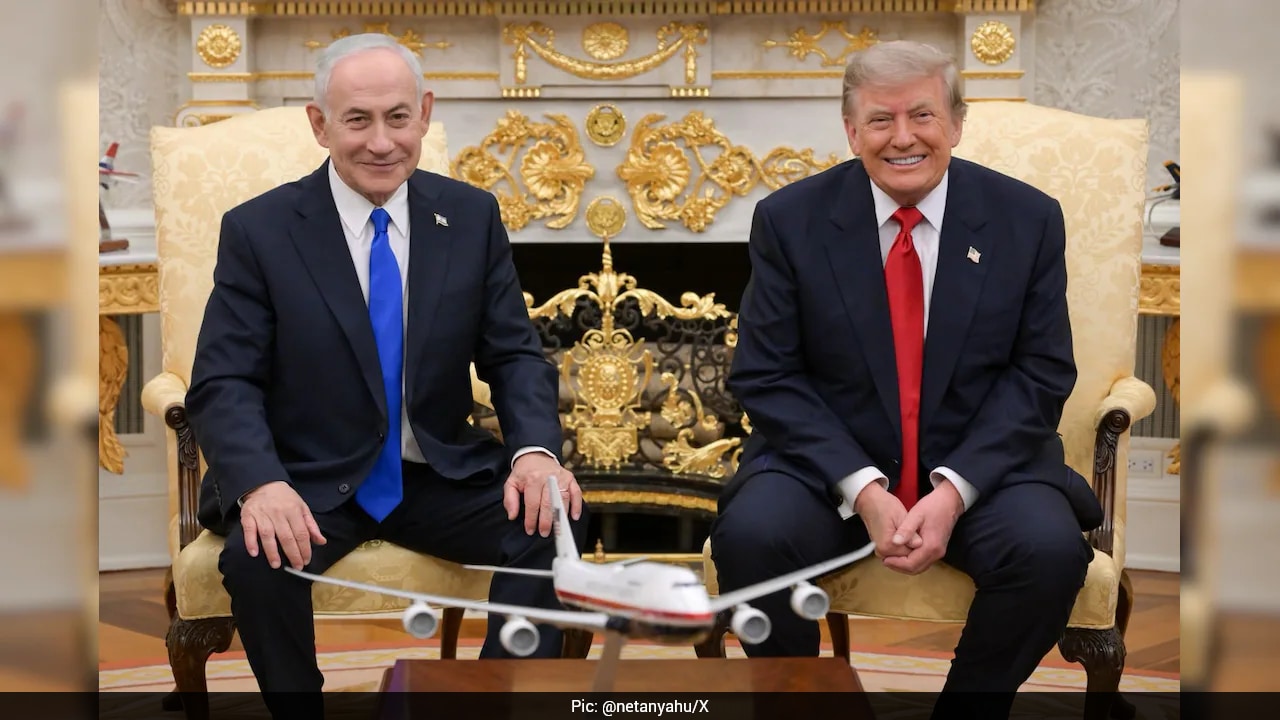
Closed doors and ninety-minute closed-door sessions rarely tell the whole story, but Benjamin Netanyahu wants you to believe his latest White House sit-down was historic. Five months after launching a joint military campaign against Iran that failed to secure a quick victory, the Israeli prime minister stood before a camera and declared his meeting with Donald Trump was one of the best conversations he has ever had with a US president.
That glowing public review hides a much messier diplomatic reality. The two leaders didn't meet to celebrate a triumph. They met because a messy, drawn-out war in the Middle East has started straining their alliance right as domestic political pressures close in on both men.
The Reality Behind Closed Doors
When Netanyahu stepped out of the West Wing, he was eager to push back against narratives of a fractured partnership. He insisted the exchange was built on mutual support and a shared commitment to keeping nuclear weapons out of Tehran's hands.
Yet, public friction preceded the summit. Trump vented to the media just hours earlier about Israeli reports regarding intelligence on Pickaxe Mountain, an underground Iranian nuclear site. Trump didn't appreciate the public grandstanding, asking reporters why Netanyahu felt the need to broadcast intelligence plans to the world instead of bringing them directly to the Oval Office.
That annoyance points to a deeper truth. Trump wants an exit ramp from an increasingly unpopular military entanglement that is driving up energy costs and alienating voters ahead of midterm elections. Netanyahu, facing his own domestic electoral tests and a public that expects total victory, wants to keep Washington tightly locked into the fight.
Shifting Priorities and Strategic Daylight
You cannot understand this meeting without looking at how much ground has shifted since February. When the offensive kicked off, both administrations projected absolute alignment. They anticipated a swift blow to Iran's leadership structure.
Instead, the conflict settled into a grinding stalemate. Iran absorbed heavy strikes but adapted. Proxies kept pressure on regional shipping lanes, and economic blowback hit Western markets. Trump began exploring diplomatic off-ramps and temporary ceasefires to stabilize the Strait of Hormuz, leaving Israel feeling sidelined in decisions that directly affect its national security.
Other regional moves have compounded the tension. Trump has signaled openness to selling advanced F-35 fighter jets to Turkey and potentially greenlighting nuclear power development for Saudi Arabia. Both ideas run counter to Israel's traditional security doctrine of maintaining absolute qualitative military edge in the region. Netanyahu has to swallow these bitter pills publicly while projecting total harmony with the White House.
Managing the Narrative Out of Washington
The structure of the visit itself reflected these underlying nerves. Unlike past visits packed with cameras, open-press spray questions, and joint media appearances, this entire round stayed behind closed doors. No joint press conference followed the ninety-minute discussion.
Instead, both sides relied on carefully curated messaging. White House press secretary Karoline Leavitt called the talks positive and productive, keeping descriptions intentionally brief. Netanyahu took to social media to frame the dialogue around historic partnership, leaning heavily on the presence of Vice President JD Vance and other senior advisors in the room to project institutional weight.
Behind the cheerful soundbites, the fundamental dilemma remains unsolved. If diplomacy with Tehran collapses and the bombing resumes, both leaders are tied to a war neither can easily control. If a fragile deal holds, Netanyahu has to explain to his voters why the regime survived intact. Calling it one of the best conversations on record is good politics, but it won't rewrite the military map of the Middle East.